

Amoebiasis: Signs, Causes, and Prevention Tips
Amoebiasis is an intestinal infection caused by a tiny parasite called Entamoeba histolytica. It mainly affects the digestive system and can lead to stomach pain, diarrhea, and discomfort. In many cases, the symptoms are mild and improve with treatment. However, if left untreated, the infection can sometimes become serious and spread to other organs such as the liver.
This article explains what is amoebiasis in simple words, how it spreads from person to person, and how the parasite survives and grows inside the body.
Table of Contents
- What Is Amoebiasis
- Life Cycle of the Amoebiasis Parasite
- Symptoms of Amoebiasis
- How is Amoebiasis Diagnosed
- Frequently Asked Questions on Amoebiasis

What Is Amoebiasis?
Simply put, it is an infection of the digestive system caused by a tiny parasite called Entamoeba histolytica. This parasite is so small that it cannot be seen without a microscope.
It usually enters the body through contaminated food or water. Once inside, it settles in the intestines and can cause infection.
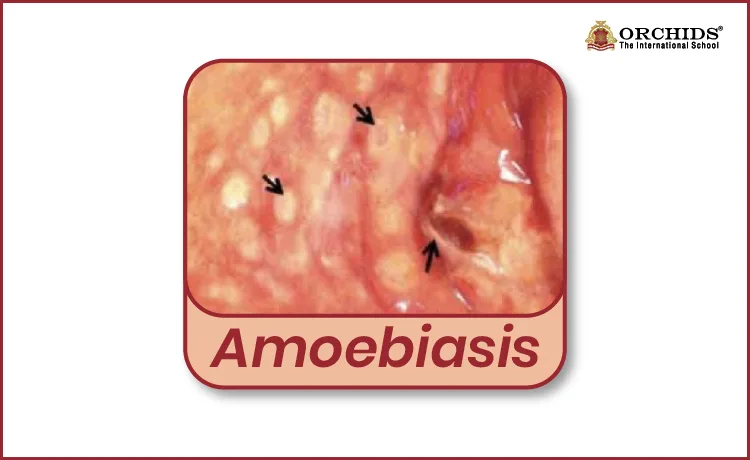
Not everyone who gets amoebiasis feels sick. Some people have very mild symptoms or none at all. Others may experience stomach pain, loose motions, cramps, or general discomfort.
The severity often depends on how strong the infection is and how the body responds to it.
So, how does amoebiasis spread from one person to another? Let’s discuss
The infection spreads when a person accidentally swallows the parasite’s cysts. These cysts are released in the stool of an infected person. If proper hygiene is not maintained, they can contaminate drinking water, raw fruits and vegetables, or food prepared with unwashed hands.
The risk increases in areas where sanitation is poor or clean drinking water is not easily available.
Contact with dirty water or unclean surroundings also makes it easier for the parasite to spread. That is why amoebiasis is more common in places with weak sanitation systems.
Life Cycle of the Amoebiasis Parasite
To understand how amoebiasis spreads, it helps to know how the parasite lives and grows inside the body through amoebiasis life cycle.
The parasite has two main forms during amoebiasis life cycle.
1. The first form is called the cyst. This is the tough and protective stage. In this form, the parasite can survive outside the body for a long time.
It can live in contaminated water, soil, or food. When someone drinks unsafe water or eats contaminated food, these cysts enter the body.
2. Once inside, the cysts travel to the intestines. There, they change into the second form called the trophozoite. This is the active stage of the parasite.
In this form, it multiplies and can damage the lining of the intestines, which leads to symptoms like diarrhea and stomach pain.
3. As the infection continues, some of these active parasites turn back into cysts. These cysts are then passed out of the body through stool.
If proper hygiene is not maintained, they can contaminate food and water again, starting the cycle in another person.
This simple amoebiasis life cycle explains why clean water, safe food, and good hygiene are so important in preventing amoebiasis.
Symptoms of Amoebiasis
When someone gets amoebiasis, the symptoms do not always look the same. Some people feel only mild discomfort, while others may experience stronger signs of infection. In fact, a few people may not notice anything at all in the beginning. That is why understanding the possible symptoms is so important.
So, what are the common signs you might notice?
- You may have loose stools or frequent diarrhea that does not settle quickly.
- You might feel stomach cramps or abdominal pain that keeps coming back.
- Bloating and excess gas can make you feel heavy or uncomfortable.
- Nausea may occur, and you may not feel like eating much.
These symptoms can feel similar to a regular stomach infection, which is why they are sometimes ignored at first.
And when should you start to worry?
In some cases, the infection becomes more serious and the symptoms become stronger.
- You may notice blood or mucus in your stool, which is a clear warning sign.
- A high fever can develop as your body tries to fight the infection.
- Severe dehydration can occur if diarrhea continues for a long time without enough fluids.
Symptoms usually begin within a few days to a few weeks after infection. However, in some people, they may appear later. Paying attention to changes in your body and seeking medical care early can prevent the condition from becoming more serious.
How is Amoebiasis Diagnosed?
The diagnosis usually begins with stool tests that can detect the parasite or its cysts. Blood tests are also used to look for signs of infection or liver involvement.
If there is a possibility that the infection has spread beyond the intestines, imaging such as an ultrasound may be done to check organs like the liver.
Getting an accurate diagnosis is important because it helps doctors choose the most effective treatment.
Once the infection is confirmed, what can be done to treat it?
The main goal of amoebiasis treatment is to remove the parasite and ease symptoms.
Anti-amoebic medicines such as metronidazole or tinidazole are commonly prescribed, and additional medication may be used to clear any remaining cysts from the intestines.
Along with medication, supportive care is important. Drinking plenty of fluids, getting enough rest, and eating easily digestible foods can help the body recover more quickly.
Most people start feeling better within a few days, but completing the full course of amoebiasis treatment is essential to prevent the infection from returning.
And what happens if the infection is left untreated? Let’s discuss.
Amoebiasis can lead to serious complications. Such as,
- The parasite may spread to the liver, causing an amoebic liver abscess.
- Prolonged diarrhea can result in severe dehydration, and ongoing infection may cause weight loss and weakness.
- Medical attention is necessary if symptoms worsen, especially in cases of severe abdominal pain, high fever, or dark urine.
So, how can you protect yourself from getting amoebiasis?
- Prevention depends largely on safe habits and good hygiene.
- Drinking clean, filtered, or boiled water, washing hands thoroughly after using the toilet and before eating, and cleaning fruits and vegetables carefully can significantly reduce risk.
- Eating uncooked or street food in high-risk areas should be avoided. By maintaining proper sanitation and hygiene, it is possible to stop the parasite from spreading and keep yourself healthy.
Till now we learnt that by staying informed and practicing simple hygiene habits, you can significantly reduce the risk of amoebiasis and protect your digestive health.
Frequently Asked Questions on Amoebiasis
1. How does amoebiasis spread from one person to another?
Amoebiasis spreads when someone eats or drinks food or water contaminated with the parasite Entamoeba histolytica. Poor hygiene and unsafe sanitation make it easier to catch.
2. What are the early signs of amoebiasis infection?
Early signs include mild stomach discomfort, loose stools, bloating, and nausea. If not treated, symptoms can get worse over time.
3. Can amoebiasis affect parts of the body outside the intestines?
Yes. In some cases, the parasite can reach the liver, causing an amoebic liver abscess. This leads to upper abdominal pain, fever, and swelling.
4. Who is at higher risk of getting amoebiasis?
People living in areas with unsafe water, poor sanitation, or crowded living conditions are more at risk. Travelers and food handlers can also be vulnerable.
5. How long does it take to recover from amoebiasis?
With proper medication, most people feel better in a few days. Full recovery may take longer, especially if complications like a liver abscess occur.
6. Why is understanding the life cycle of amoebiasis important?
Knowing the life cycle shows how cysts are ingested, turn active in the intestines, multiply, and are passed out. This explains why clean water and good hygiene are crucial for prevention.
7. Can amoebiasis come back after treatment?
Yes. If all cysts are not eliminated or hygiene remains poor, the infection can return. Following the full treatment and maintaining cleanliness reduces the risk of recurrence.
Science isn't just a subject, it's the way of seeing the world. Curious how Orchids The International School teaches it that way? Talk to our admissions team.
Admissions Open for 2026-27
What type of concept pages would you prefer?
CBSE Schools In Popular Cities
- CBSE Schools in Bangalore
- CBSE Schools in Mumbai
- CBSE Schools in Pune
- CBSE Schools in Hyderabad
- CBSE Schools in Chennai
- CBSE Schools in Gurgaon
- CBSE Schools in Kolkata
- CBSE Schools in Indore
- CBSE Schools in Sonipat
- CBSE Schools in Delhi
- CBSE Schools in Rohtak
- CBSE Schools in Bhopal
- CBSE Schools in Aurangabad
- CBSE Schools in Jabalpur
- CBSE Schools in Jaipur
- CBSE Schools in Jodhpur
- CBSE Schools in Nagpur
- CBSE Schools in Ahmednagar
- CBSE School In Tumkur











Orchids The International School is one of India's leading chains of CBSE and ICSE schools, with 110+ schools across the country.