

Asthma Symptoms
Asthma symptoms are one of the most common respiratory concerns today. Since the illness often begins with mild discomfort, such as shortness of breath or occasional coughing, many people tend to ignore it in the early stages. However, these mild indicators can quickly worsen, especially in children, older adults, and people with other breathing issues, affecting oxygen flow and overall health.
This article explains asthma signs and symptoms and preventive measures to manage the condition effectively.
Table of Contents

What is Asthma?
Asthma is a long-term (chronic) condition that affects the airways in the lungs. These airways become narrow, swollen, and filled with extra mucus, making it difficult to breathe.
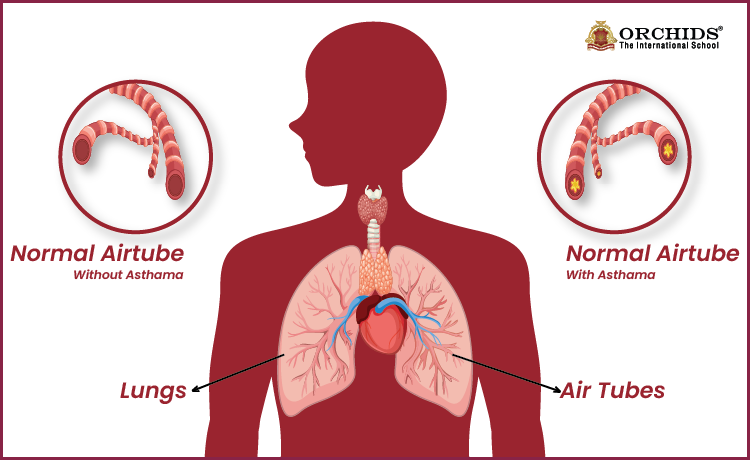
In simple terms, when asthma flares up, the air passages tighten and reduce the amount of air reaching the lungs. The body reacts by coughing, wheezing, or feeling breathless.
Now the question arises: what causes this inflammation?
Asthma can be triggered by several factors, such as allergens, smoke, dust, pollution, cold air, exercise, or infections.
When exposed to these triggers, the muscles around the airways tighten, leading to symptoms that vary from mild to severe.
Over time, untreated or unrecognised asthma symptoms in adults and kids can lead to serious breathing problems. Recognising these early signs is key to preventing an attack.
11 Major Signs and Symptoms of Asthma
Asthma affects people differently. For some, it may only occur during exercise or allergy seasons, while for others, it can be a constant problem.
Certain groups, such as children, elderly individuals, and those with weak immune systems, are more vulnerable to severe symptoms.
Here are the major asthma symptoms explained in detail:
1. Shortness of breath, one of the most noticeable asthma attack symptoms, where the person feels like they cannot get enough air.
2. Wheezing, a whistling or squeaky sound while breathing, especially during exhalation.
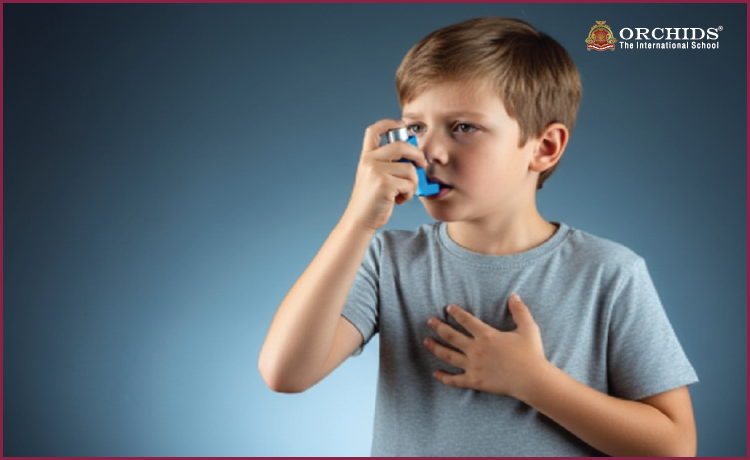
3. Chest tightness, a feeling of pressure or heaviness in the chest, often making it difficult to speak or move comfortably.
4. Coughing, frequent coughing that worsens at night, early morning, or after exercise.
5. Difficulty sleeping, continuous coughing or breathlessness can disturb sleep patterns.
6. Rapid breathing, the rate of breathing increases as the body struggles to take in oxygen.
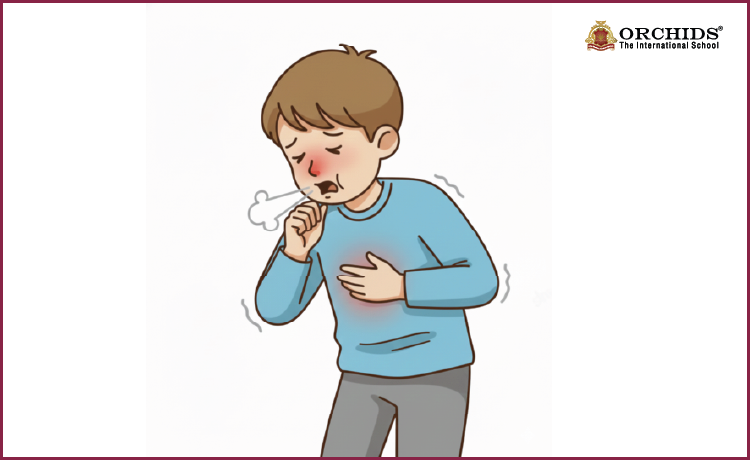
7. Fatigue, the body feels tired due to poor oxygen exchange and constant effort to breathe.
8. Difficulty talking, during a severe asthma attack, symptoms, it becomes hard to complete sentences without pausing for breath.
9. Bluish lips or fingertips, a sign of low oxygen levels in the blood, need immediate attention.
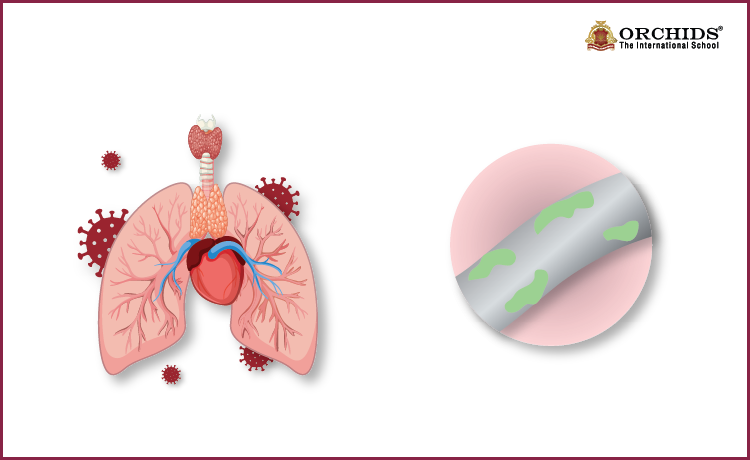
10. Increased mucus production, the lungs produce extra mucus, leading to blocked airways and more coughing.
11. Anxiety or panic, struggling to breathe, can cause a feeling of panic, further worsening the asthma attack symptoms.
Once you understand what triggers your asthma, prevention becomes much easier. The goal is to keep your airways calm so symptoms don’t start in the first place.
-
Avoid your triggers, whether it’s dust, pollen, smoke, cold air, or strong smells; staying away from your known triggers is the simplest way to prevent flare-ups.
-
Keeping your space clean, regular cleaning, reducing dust, and using an air purifier can help cut down allergens that irritate the airways.
-
Taking your medicines on time, using your controller inhaler daily and your reliever only when needed keeps symptoms under control.
-
Follow your asthma action plan. Your doctor’s plan guides you on what to do when symptoms begin, what medicines to use, and when to seek help.
-
Stay active safely; exercise is good for your lungs. A proper warm-up and using your inhaler before workouts (if advised) can prevent exercise-related symptoms.
-
Protect yourself from infections, colds, and flu often worsen asthma. Good hygiene and recommended vaccines help keep your lungs safe.
-
Stress can make breathing harder. Simple breathing exercises, yoga, or short breaks during the day can help reduce stress
-
Stay away from tobacco smoke, avoid both smoking and secondhand smoke, as they quickly irritate the airways.
-
Keep an eye on your breathing, spotting early signs like slight wheezing or coughing allows you to act before symptoms get worse
So far in this article, we have studied that asthma symptoms in adults and kids can sometimes resemble other respiratory conditions like bronchitis or allergies. Therefore, proper diagnosis and timely treatment are important to prevent severe attacks.
Frequently Asked Questions On Asthma Symptoms
1. Can I live a normal life with asthma?
Yes, absolutely. With the right treatment, exercise habits, and trigger management, people with asthma can lead completely normal, active lives.
2. How to test for asthma?
Doctors typically use breathing tests such as spirometry, peak flow measurement, or the FeNO test to check airway inflammation.
3. Does coffee help asthma symptoms?
Yes, caffeine in coffee can relax the airways slightly and provide mild relief from asthma symptoms for a short time.
4. How long can asthma symptoms last?
Asthma symptoms can last from a few minutes to several hours or even days, depending on the trigger and severity.
5. How can I control asthma symptoms?
Avoid known triggers, take prescribed medications regularly, use an inhaler correctly, and monitor your breathing to manage asthma effectively.
6. What are the common signs and symptoms of asthma?
The common asthma signs and symptoms include shortness of breath, chest tightness, wheezing, and persistent coughing, especially at night or early in the morning.
7. What is the 4-4-4 rule for asthma?
It means taking 4 puffs of your reliever inhaler, waiting 4 minutes, and taking another 4 puffs if you’re still struggling. Use it during worsening symptoms, and seek medical help if there’s no improvement.
Science isn't just a subject, it's the way of seeing the world. Curious how Orchids The International School teaches it that way? Talk to our admissions team.
Admissions Open for 2026-27
What type of concept pages would you prefer?
CBSE Schools In Popular Cities
- CBSE Schools in Bangalore
- CBSE Schools in Mumbai
- CBSE Schools in Pune
- CBSE Schools in Hyderabad
- CBSE Schools in Chennai
- CBSE Schools in Gurgaon
- CBSE Schools in Kolkata
- CBSE Schools in Indore
- CBSE Schools in Sonipat
- CBSE Schools in Delhi
- CBSE Schools in Rohtak
- CBSE Schools in Bhopal
- CBSE Schools in Aurangabad
- CBSE Schools in Jabalpur
- CBSE Schools in Jaipur
- CBSE Schools in Jodhpur
- CBSE Schools in Nagpur
- CBSE Schools in Ahmednagar
- CBSE School In Tumkur











Orchids The International School is one of India's leading chains of CBSE and ICSE schools, with 130+ schools across the country.