

Gram-Positive Bacteria
Gram-positive bacteria are often discussed in biology, but many people overlook their importance in everyday life. These bacteria have a unique structure, especially their thick cell wall, which makes them appear purple during Gram staining. This simple difference helps scientists identify them, understand how they function, and study the roles they play in health, industry, and disease.
This article explains what gram-positive bacteria are, how their cell wall is structured, their key characteristics and more.
Table of Contents
- What are Gram-positive bacteria?
- Characteristics of Gram-Positive Bacteria
- Key Components of the Gram-Positive Cell Wall
- How Do Gram-Positive Bacteria Benefit Us?
- When Can Gram-Positive Bacteria Become Harmful?
- Frequently Asked Questions on Gram-Positive Bacteria

What are Gram-positive Bacteria?
These bacteria are identified using the Gram staining technique, where they retain the crystal violet dye and appear deep purple under a microscope. To understand gram-positive bacteria, it helps to begin with a simple question: what makes them “gram-positive”?
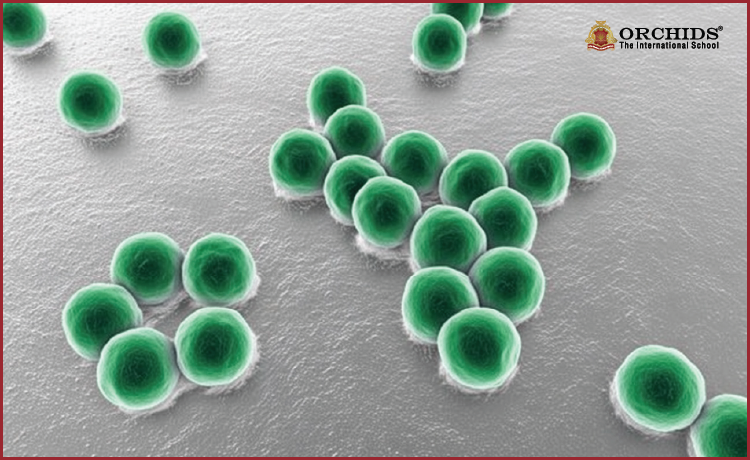
So why do they hold the stain?
The answer lies in their thick peptidoglycan layer, a strong and tightly packed structure in their cell wall that prevents the dye from being washed away.
Gram-positive bacteria form a major part of the phylum Firmicutes and include a wide range of species. Some are helpful, others harmless, and a few can cause diseases.
And common gram-positive bacteria examples include:
-
Actinomyces
-
Clostridium
-
Mycobacterium
-
Streptococci
-
Staphylococci
-
Nocardia
Together, these organisms play diverse roles in the environment, industry, and human health.
Also Read: Difference Between Gram-positive and Gram-Negative Bacteria
So, after understanding Gram-positive bacteria, the next question is: what really sets them apart?
Characteristics of Gram-Positive Bacteria
Let’s discuss.
Gram-positive bacteria are identified by a set of structural features that set them apart from gram-negative bacteria. These traits influence how they survive, interact with their environment, and respond to stress.
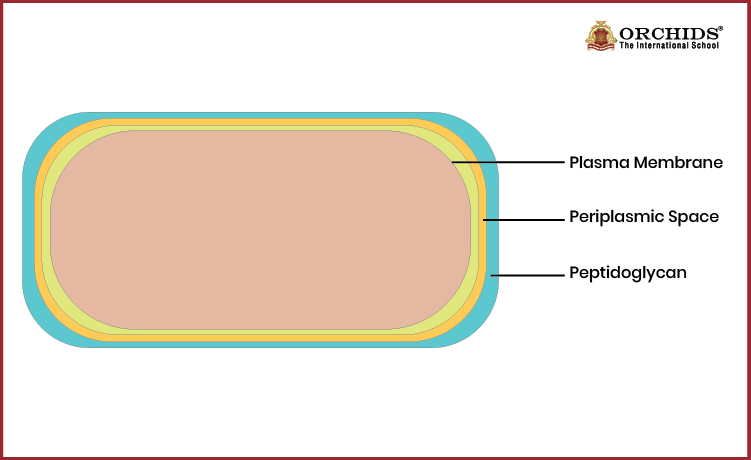
Their key characteristics include:
-
A thick peptidoglycan layer that provides strength and rigidity to the cell wall.
-
Absence of an outer membrane, which makes their structure simpler than that of Gram-negative bacteria.
-
Low lipid content combined with a high concentration of teichoic acids, which help maintain cell shape and support cell wall stability.
-
Locomotion structures, such as flagella, are present in some species, enabling movement.
-
Notable species like Staphylococcus aureus and Streptococcus faecalis contain abundant teichoic acids in their cell walls.
-
A strong ability to retain the crystal violet stain, causing them to appear deep purple during Gram staining.
Now, to understand how they survive and function, it helps to ask: what is inside the cell wall of Gram-positive bacteria that makes it so strong?
Let’s find out.
Key Components of the Gram-Positive Cell Wall
The cell wall is the defining feature of gram-positive bacteria and is the main reason they appear purple during Gram staining. Its thick, layered structure helps these bacteria survive harsh conditions, maintain shape and interact with their environment.
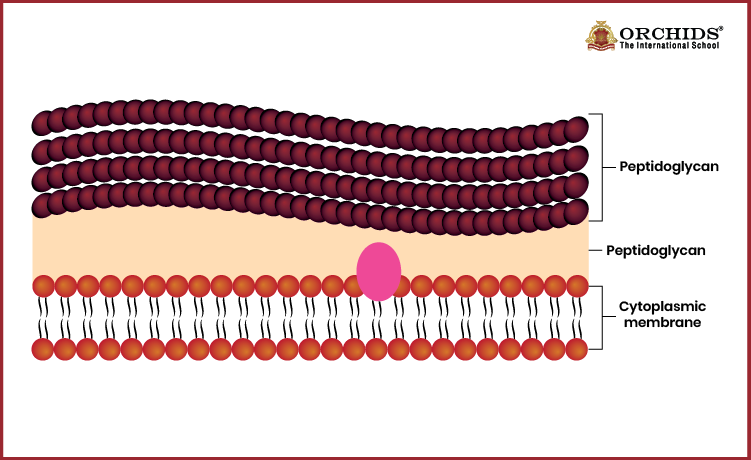
Here’s a clear breakdown of its key structural elements:
And now you may ask: Are Gram-positive bacteria always harmful, or do they offer useful benefits as well?
H2: How Do Gram-Positive Bacteria Benefit Us?
Surprisingly, many gram-positive species are beneficial.
While gram-positive bacteria are often associated with infections, many of them play valuable roles that support human health, food production and essential industries.
1. To start with, a large group of these bacteria are non-pathogenic and naturally live in places like the mouth, skin, intestines and upper respiratory tract, helping maintain balance in the body’s microbial environment.
2. In the food industry, certain gram-positive bacteria are key to making Emmentaler or Swiss cheese, and others help with specialised processes such as cheese ageing, bioconversion of steroids and the breakdown of hydrocarbons.
3. These natural abilities make them useful not only for improving flavour and texture in foods but also in environmental and biochemical applications.
4. They are equally valuable in industrial production.
-
Corynebacterium species help manufacture enzymes, amino acids and nucleotides, all of which are essential in biotechnology and medicine.
-
Several Bacillus species can produce large quantities of enzymes, making them highly sought-after in industries like detergents, textiles and pharmaceuticals.
-
One notable example is Bacillus amyloliquefaciens, known for producing Barnase, a natural protein with strong antibiotic properties.
Together, these benefits show how gram-positive bacteria contribute to food technology, medical research and industrial processes, making them far more useful than commonly assumed.
But what happens when these bacteria enter the body under the wrong conditions?
Let’s break it down.
H2: When Can Gram-Positive Bacteria Become Harmful?
Gram-positive bacteria are part of our everyday surroundings, but under certain conditions they can cause infections, especially when they reach the skin, respiratory tract or mucous membranes.
1. Many of these problems begin with Staphylococcus species, which normally live harmlessly on the skin but can cause infections when they enter cuts, wounds or weakened tissues.
2. These bacteria spread easily in daily life, often through simple actions. They can pass from one person to another through direct skin contact or by touching contaminated objects and surfaces, such as towels, door handles or shared items.
3. They can also travel through the air when a person breathes in infected aerosol particles, and even pets can carry and transmit them without showing symptoms.
4. Once inside the body, gram-positive bacteria can lead to more than just skin or mucous infections.
5. They are responsible for food poisoning, several respiratory conditions, tooth cavities, diphtheria, and even serious infections like those caused by Mycobacterium tuberculosis.
A key concern is that many gram-positive species behave as opportunistic pathogens.
So far, we discussed gram-positive bacteria and how, in healthy individuals, they may cause mild or no symptoms, but in people with weakened immunity, whether due to illness, age or medical treatments, they can lead to severe and sometimes widespread infections.
Frequently Asked Questions on Gram-Positive Bacteria
1. What are gram-positive bacteria?
Gram-positive bacteria are microbes that appear purple in Gram staining because their thick peptidoglycan cell wall retains the crystal violet dye.
2. Why do gram-positive bacteria retain the purple stain?
Their thick peptidoglycan layer traps the dye during staining, so it cannot be washed off.
3. Gram-positive and Gram-negative bacteria: How do they differ?
Gram-positive and gram-negative bacteria differ mainly in structure: gram-positive bacteria have a thick cell wall with no outer membrane, while Gram-negative bacteria have a thin wall plus an outer membrane.
4. Are all gram-positive bacteria harmful?
No. Many gram-positive bacteria are harmless or beneficial, while some species can cause diseases.
5. What are some common examples of gram-positive bacteria?
Common gram-positive bacteria examples include Staphylococcus, Streptococcus, Clostridium, Actinomyces, Mycobacterium, and Nocardia.
6. Where are gram-positive bacteria commonly found?
They occur in soil, water, food, and on human skin, mouth, gut, and respiratory tract.
7. What diseases can gram-positive bacteria cause?
Some species can cause skin infections, pneumonia, sore throat, food poisoning, tuberculosis, and meningitis.
8. How are infections caused by gram-positive bacteria treated?
Treatment usually involves antibiotics, depending on the species and its antibiotic resistance pattern.
Science isn't just a subject, it's the way of seeing the world. Curious how Orchids The International School teaches it that way? Talk to our admissions team.
Admissions Open for 2026-27
What type of concept pages would you prefer?
CBSE Schools In Popular Cities
- CBSE Schools in Bangalore
- CBSE Schools in Mumbai
- CBSE Schools in Pune
- CBSE Schools in Hyderabad
- CBSE Schools in Chennai
- CBSE Schools in Gurgaon
- CBSE Schools in Kolkata
- CBSE Schools in Indore
- CBSE Schools in Sonipat
- CBSE Schools in Delhi
- CBSE Schools in Rohtak
- CBSE Schools in Bhopal
- CBSE Schools in Aurangabad
- CBSE Schools in Jabalpur
- CBSE Schools in Jaipur
- CBSE Schools in Jodhpur
- CBSE Schools in Nagpur
- CBSE Schools in Ahmednagar
- CBSE School In Tumkur











Orchids The International School is one of India's leading chains of CBSE and ICSE schools, with 110+ schools across the country.