

Inside the World of Parasites: How They Feed Without Being Seen
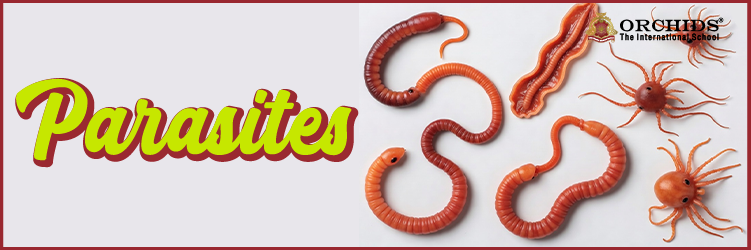
Parasites are tiny creatures that live on or inside other animals to get their food. They rely on their host to survive, and in doing so, they can sometimes make the host weak or sick.
But there’s more to know about them. Parasites have clever ways to feed, like drawing blood or attaching themselves inside the body. Some stay on the host’s skin or hair, some live inside organs, and others spend part of their life in the environment before finding a new host.
In this article, we will explore what parasites are, how they survive, where they live, and why they play an important role in nature.
Table of Contents
- What Are Parasites
- How Do Parasites Get Their Food
- Where Do Parasites Live
- Frequently Asked Questions on Parasites

What Are Parasites?
Have you ever wondered how some tiny creatures survive by depending on others? Parasites are small organisms that live on or inside other animals to get their food. The animal they live on is called a host. While they get the nutrients they need, parasites can also make their hosts weak or sick.
Some common examples are lice, ticks, fleas, roundworms, and tapeworms. These tiny creatures may be small, but they have clever ways to survive.
How Do Parasites Get Their Food?
So, how do these little organisms feed without being noticed? Parasites have special adaptations that make survival easier:
-
Sucking blood: Creatures like mosquitoes and leeches use tiny tubes to drink blood, which fuels their energy.
-
Hooks and suckers: Tapeworms attach inside the intestines using hooks and suction organs, staying in place while they absorb nutrients.
These features allow parasites to feed continuously while remaining close to their hosts.
Where Do Parasites Live?
You might be surprised at where parasites can be found. They can live in many places depending on their type:
-
On the host: Lice and fleas cling to hair or skin, feeding directly on the host.
-
Inside the host: Roundworms and tapeworms reside in the intestines or organs, absorbing nutrients from the food the host eats.
-
In the environment: Some worms spend part of their life in water or soil before moving to a new host.
By knowing where parasites live, we can understand how they spread and why they affect their hosts.
So far, we’ve seen that parasites are small but smart organisms that rely on other animals for food and shelter. With their unique adaptations, they can feed, survive, and multiply while sometimes making their hosts sick. Understanding their habits helps us take steps to protect ourselves and control their spread.
Frequently Asked Questions on Parasites
1. How do parasites spread from one host to another?
Parasites can spread through contaminated food and water, insect bites, direct contact, or poor hygiene practices.
2. What are the different kinds of parasites?
Parasites are mainly of three types: protozoa (microscopic organisms), helminths (parasitic worms), and ectoparasites such as lice and ticks.
3. What problems can parasites cause in the body?
Parasites can lead to various health issues like infections, digestive problems, weakness, and in some cases, serious diseases.
4. How can we protect ourselves from parasites?
Good hygiene, safe drinking water, properly cooked food, and avoiding contaminated surroundings help prevent parasitic infections.
5. What does a parasite need to survive?
A parasite depends on a host for food, shelter, and survival, often harming the host in the process.
Science isn't just a subject, it's the way of seeing the world. Curious how Orchids The International School teaches it that way? Talk to our admissions team.
Admissions Open for 2026-27
What type of concept pages would you prefer?
CBSE Schools In Popular Cities
- CBSE Schools in Bangalore
- CBSE Schools in Mumbai
- CBSE Schools in Pune
- CBSE Schools in Hyderabad
- CBSE Schools in Chennai
- CBSE Schools in Gurgaon
- CBSE Schools in Kolkata
- CBSE Schools in Indore
- CBSE Schools in Sonipat
- CBSE Schools in Delhi
- CBSE Schools in Rohtak
- CBSE Schools in Bhopal
- CBSE Schools in Aurangabad
- CBSE Schools in Jabalpur
- CBSE Schools in Jaipur
- CBSE Schools in Jodhpur
- CBSE Schools in Nagpur
- CBSE Schools in Ahmednagar
- CBSE School In Tumkur











Orchids The International School is one of India's leading chains of CBSE and ICSE schools, with 110+ schools across the country.