

Causes of Water Pollution
Causes of water pollution include the contamination of water bodies like rivers, lakes, and oceans with harmful substances. Once polluted, this water becomes unsafe for drinking, bathing, farming, and supporting aquatic life.
And the fact is that water is one of the most valuable natural resources on Earth. It supports all forms of life, from plants and animals to humans. But today, clean water is becoming scarce because of pollution caused by human and natural activities.
This article will help you understand what are the causes of water pollution, and how it affects our environment and health.
Table of Contents
- What Is Water Pollution?
- What Are The 10 Main Causes of Water Pollution?
- Frequently Asked Questions On Causes of Water Pollution

What Is Water Pollution?
Water pollution isn’t just about visible dirt or waste floating on the surface; it happens when harmful materials like chemicals, sewage, or microbes enter water and spoil its natural quality.
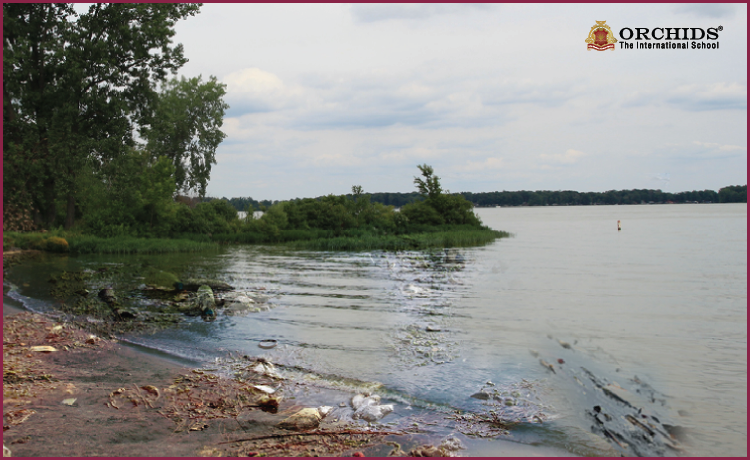
But how does this really happen? Let’s discuss
It begins when untreated waste from homes and industries, or runoff from farms, flows into rivers, lakes, or oceans. These pollutants mix with the water, making it unsafe for plants, animals, and humans who depend on it.
Simply put, water pollution is when clean, usable water turns harmful because of unwanted substances. This polluted water spreads easily, disturbing ecosystems and putting health at risk.
Now that we understand what water pollution means, let’s look at what are the 10 causes of water pollution and see where these pollutants come from.
What Are The 10 Main Causes of Water Pollution?
Water pollution, like air pollution, comes from both human activities and natural events. Most contamination is caused by how we dispose of waste, run industries, grow crops, and manage our surroundings.
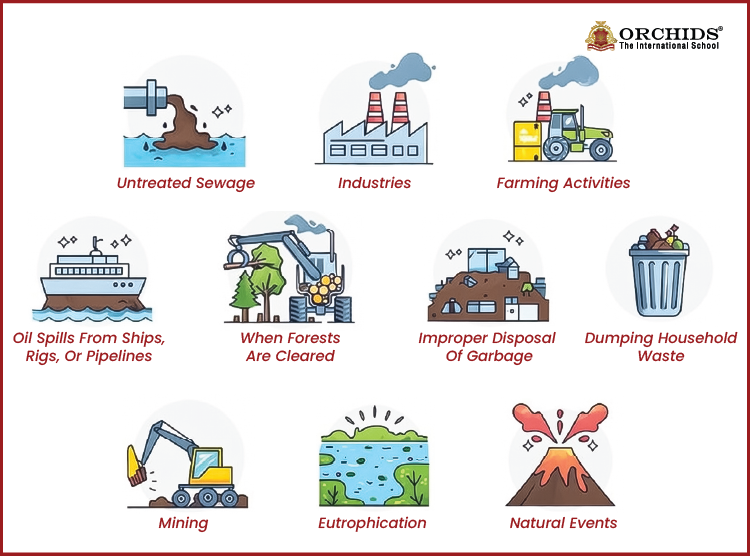
When harmful substances mix with water, they alter its purity and make it unsafe for both humans and aquatic life. Over time, this polluted water damages ecosystems, spreads diseases, and reduces access to clean drinking water.
Let’s discuss in detail the 10 causes of water pollution.
1) To begin with, untreated sewage from homes and cities is one of the leading causes of water pollution.
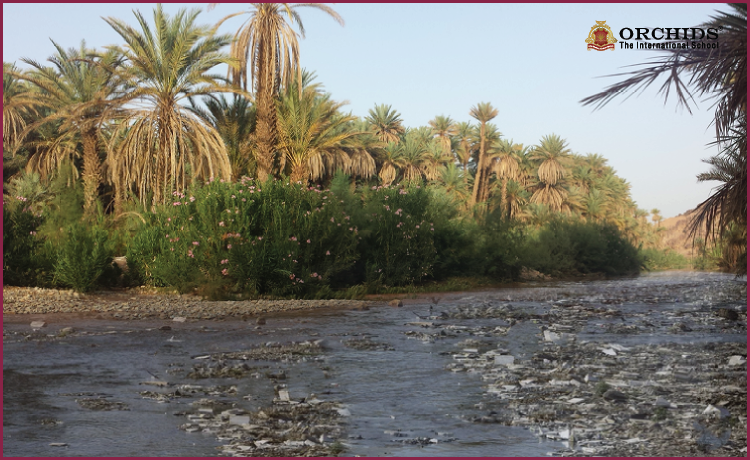
Waste from toilets, kitchens, and bathrooms often flows directly into rivers and lakes, carrying bacteria and harmful microorganisms.
And if you look at the causes of water pollution images, you can clearly see how this untreated water spreads diseases like cholera, typhoid, and dysentery.
Areas without proper sewage treatment systems suffer the most from contaminated groundwater and drinking sources.
2) Industries release a wide mix of pollutants like chemicals, dyes, solvents, and heavy metals such as mercury and lead into nearby water bodies.
These substances poison aquatic organisms and, when consumed, harm human organs like the brain, liver, and kidneys.
In addition, factories often discharge hot wastewater, leading to thermal pollution, which reduces oxygen levels and disrupts aquatic balance.
3) Farming activities that use fertilisers and pesticides contribute heavily to water contamination.
When it rains, these chemicals wash off the soil and flow into rivers and ponds.
This adds excess nitrogen and phosphorus, which trigger algal blooms, thick green layers that block sunlight and consume oxygen, killing fish and aquatic plants.
4) Oil spills from ships, rigs, or pipelines are one of the most visible forms of water pollution.
A single spill creates a shiny film on the water’s surface, blocking oxygen exchange and harming marine animals.
For example, the Deepwater Horizon oil spill (2010) coated thousands of miles of ocean, damaging coral reefs, birds, and sea turtles.
5) When forests are cleared, loose soil easily washes into nearby water bodies during rain.
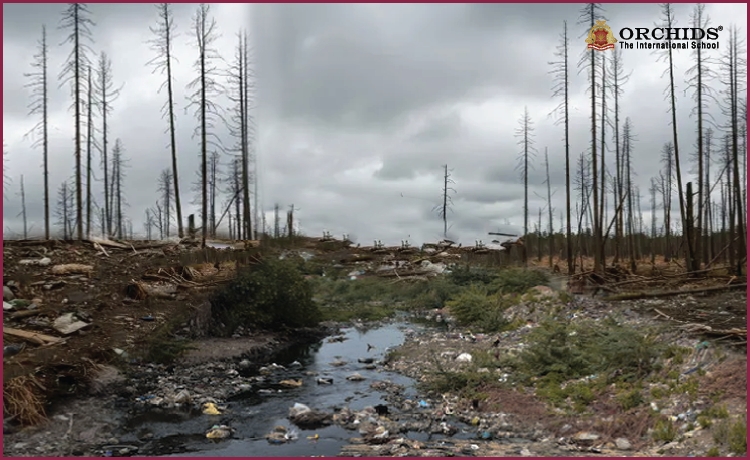
This causes siltation, making the water muddy and cutting off sunlight needed by aquatic plants.
Deforestation also reduces nature’s ability to filter and absorb pollutants, increasing the risk of floods and sediment buildup.
6) Improper disposal of garbage, especially plastic bottles, bags, and fishing nets has become a global crisis.
Marine animals often mistake plastic for food or get trapped in it. Because plastics take hundreds of years to break down, they continue to pollute oceans and rivers for generations.
7) Dumping household waste directly into the ocean adds layers of pollution that are difficult to clean.
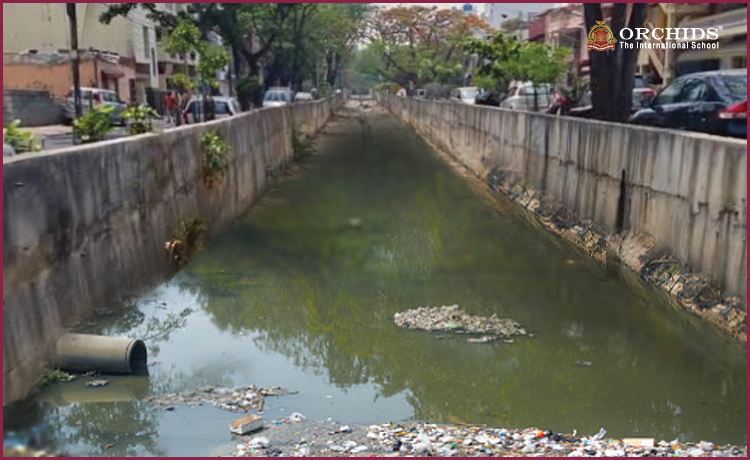
Glass, paper, and metal degrade slowly, but plastics, paints, and chemicals remain in water for decades, destroying coral reefs and aquatic habitats.
8) Mining releases toxic minerals and heavy metals into nearby rivers and streams.
These pollutants make the water acidic and harmful to fish and plants. People living near mining zones often report skin irritation and health problems due to long-term exposure to contaminated water.
9) Eutrophication begins when excess nutrients from fertilisers, sewage, or industrial waste flow into rivers, lakes, or ponds. These nutrients make algae grow quickly, forming thick layers on the water’s surface. As the algae die and decompose, they use up oxygen, making it hard for fish and other aquatic animals to survive.
Over time, this process turns clean, healthy water into a lifeless, polluted one that can even release harmful toxins affecting both animals and humans.
This type of pollution is small but constant, adding up over time.
10) Finally, not all water pollution is man-made. Some natural events, such as volcanic eruptions, floods, and algae blooms, can also reduce water quality by adding ash, sediments, or microorganisms.
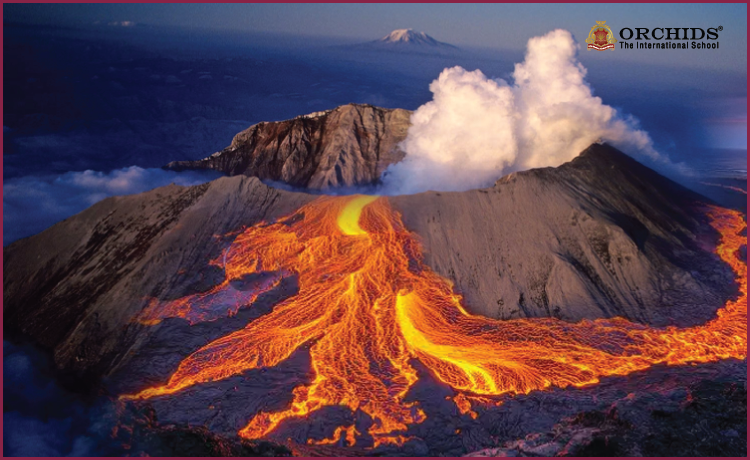
While temporary, these events can still affect aquatic species and make water unsafe for use.
When we look at causes of water pollution images, it becomes clear that pollution doesn’t always come from factories alone, it’s linked to how we live, farm, and manage waste every day.
Once we understand these main causes and effects of water pollution, the next step is to explore how to control and prevent water pollution effectively.
So, how does water pollution affect life around us? Let’s understand the effects of water pollution on health, nature, and daily living.
It may start with a little waste in a river, but over time, it spreads and harms everything.
Interestingly!! Contaminated water leads to diseases like typhoid and diarrhoea, while aquatic life suffers as oxygen levels drop. Excess nutrients cause algae blooms, blocking sunlight and suffocating fish.
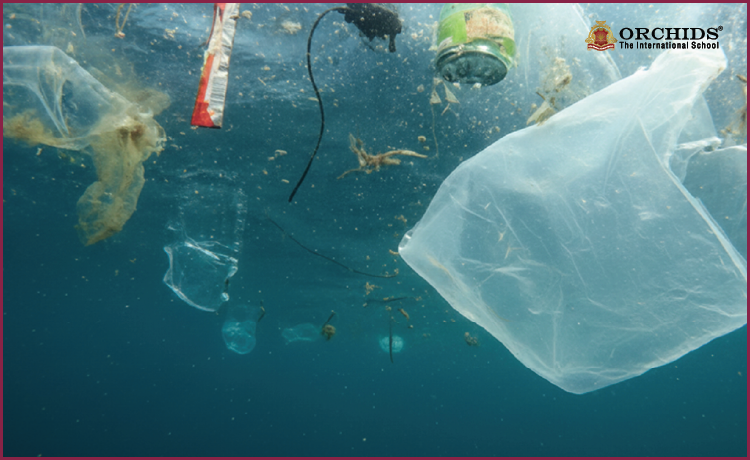
It also hurts farmers, fishermen, and tourism industry, and the toxins in polluted water enter the food chain, reaching humans. And little by little, water pollution upsets the balance of life on Earth.
And is there a way to stop water pollution? Let’s find out.
Just like any big problem, it needs help from everyone, the government, communities, and each one of us.
-
The government can ensure that sewage and industrial waste are treated before being released into rivers or lakes.
-
Farmers can use organic fertilisers instead of harmful chemicals.
-
Communities can manage waste better by disposing of plastics properly and planting trees near water bodies to prevent soil erosion.
And what about us? We can start small, throw waste in bins, avoid littering, and talk to others about the importance of clean water.
In this article, we discussed what are the causes of water pollution, the effects of water pollution and how everyone works together and makes tiny changes, so that our rivers, lakes, and oceans can stay clean and full of life. After all, protecting water means protecting life itself.
Frequently Asked Questions On Causes of Water Pollution
1. What do you mean by water pollution?
Water pollution occurs when harmful substances contaminate water bodies, making the water unsafe for use by humans, animals, and plants
2. What are the causes of water pollution?
Sewage discharge, industrial waste, agricultural runoff, oil spills, deforestation, plastic waste, and natural disasters are the main causes.
3. How does water pollution affect humans?
It causes diseases like cholera, typhoid, and dysentery, and long-term exposure to toxic chemicals can damage organs.
4. What are the natural causes of water pollution?
Volcanic eruptions, floods, and algae growth are some natural causes that make water impure.
5. How can we prevent water pollution?
By treating waste before disposal, using eco-friendly products, reducing plastic use, and planting trees near water bodies.
6. What is eutrophication?
It is the excessive growth of algae in water bodies due to high nutrient content, which depletes oxygen and kills aquatic life.
7. Why is it important to prevent water pollution?
Because clean water is essential for survival. Preventing pollution protects human health, aquatic life, and the balance of ecosystems.
Science isn't just a subject, it's the way of seeing the world. Curious how Orchids The International School teaches it that way? Talk to our admissions team.
Admissions Open for 2026-27
What type of concept pages would you prefer?
CBSE Schools In Popular Cities
- CBSE Schools in Bangalore
- CBSE Schools in Mumbai
- CBSE Schools in Pune
- CBSE Schools in Hyderabad
- CBSE Schools in Chennai
- CBSE Schools in Gurgaon
- CBSE Schools in Kolkata
- CBSE Schools in Indore
- CBSE Schools in Sonipat
- CBSE Schools in Delhi
- CBSE Schools in Rohtak
- CBSE Schools in Bhopal
- CBSE Schools in Aurangabad
- CBSE Schools in Jabalpur
- CBSE Schools in Jaipur
- CBSE Schools in Jodhpur
- CBSE Schools in Nagpur
- CBSE Schools in Ahmednagar
- CBSE School In Tumkur











Orchids The International School is one of India's leading chains of CBSE and ICSE schools, with 110+ schools across the country.