

Difference Between Breathing and Respiration: Examples, Process and Key Stages
The difference between breathing and respiration is an important concept in biology, especially when trying to understand how living organisms obtain and use energy. While both processes involve oxygen and energy, breathing is the physical process of taking in air, whereas respiration is the chemical process that releases energy from food.
This article helps you clearly understand what is the difference between breathing and respiration with simple explanations and examples.
Table of Contents
- What is Breathing and Respiration?
- Difference Between Breathing and Respiration
- Frequently Asked Questions (FAQs) on Difference between breathing and respiration

What is Breathing and Respiration?
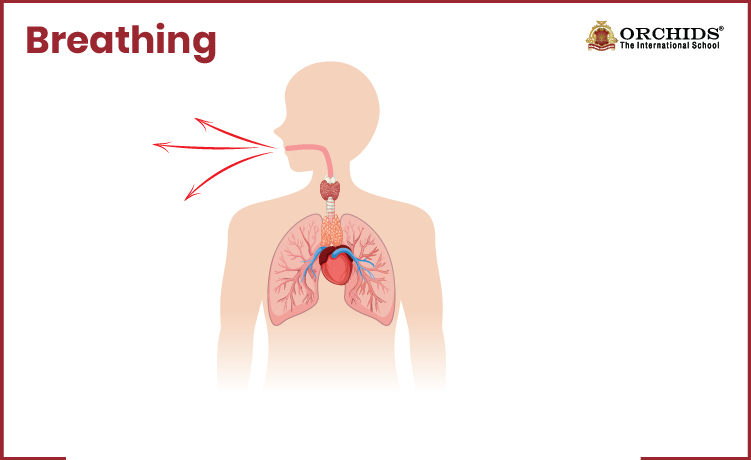
Breathing is the biological process by which oxygen is inhaled and carbon dioxide is exhaled through the lungs. Its main role is to allow gas exchange between the environment and your body’s cells, tissues, and organs.
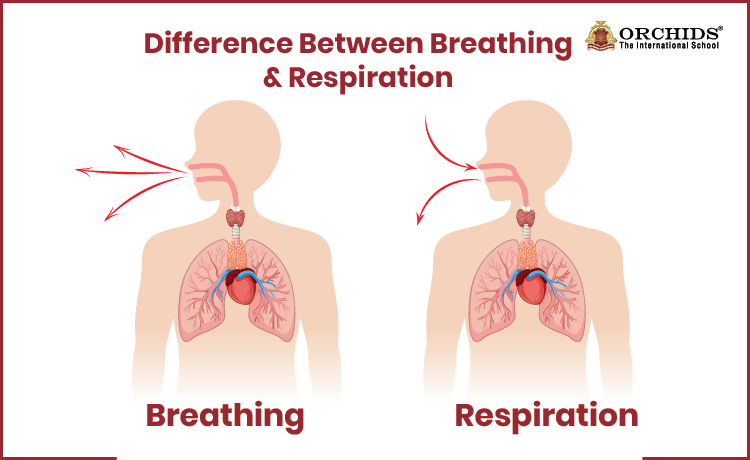
But what happens to the oxygen once it reaches your cells?
This is where cellular respiration comes in. It is a biochemical process in which energy is released from food molecules, mainly glucose.
To understand it further, let’s check below.
The breathing process involves structures like the nose, mouth, trachea, pharynx, and lungs. Breathing can happen automatically, like when you sleep, or voluntarily, such as when you speak, sing, swim, or do relaxation exercises.
On the other hand, the oxygen you inhale is carried by the blood to your cells, where it helps break down glucose and produce ATP, the energy currency of the body.
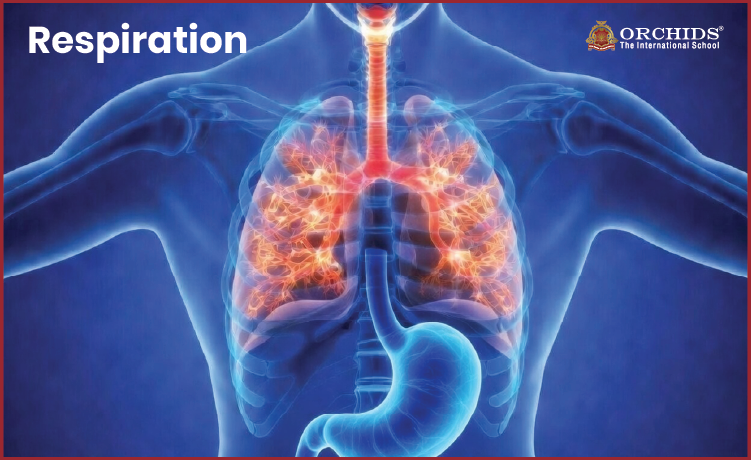
This energy powers all your daily activities and is essential for growth, repair, and survival
Have you ever wondered how your body gets the energy it needs to sit, walk, run, or even think?
It all starts with breathing and cellular respiration, two processes that work together to keep you alive and active.
So how do breathing and respiration work together?
Let’s discuss.
You can think of breathing as the delivery system that brings oxygen to your cells, while cellular respiration acts as a power plant that converts food and oxygen into usable energy.
Together, they keep your body functioning efficiently, active, and alive.
Difference Between Breathing and Respiration
And here is a simple comparison table that highlights the difference between breathing and respiration clearly:
|
Definition |
Inhaling oxygen and exhaling carbon dioxide |
Breakdown of glucose to release energy (ATP) |
|
Process Occurrence |
Takes place in lungs, nose, mouth, and pharynx |
Takes place inside cells |
|
Type of Process |
Physical process (voluntary and involuntary) |
Chemical process (always involuntary) |
|
Energy Production |
No energy is produced |
Energy is released in the form of ATP |
|
Cellular Activity |
Extracellular process |
Intracellular process |
|
Use of Enzymes |
No enzymes involved |
Many enzymes involved |
|
Associated Organs |
Nose, lungs, respiratory system |
Mitochondria and other cellular organelles |
|
Gas Exchange |
Involves oxygen intake and carbon dioxide removal |
Uses oxygen to oxidise glucose and produce CO₂ |
|
Speed of Process |
Instantaneous, continuous |
Relatively slower, depends on cellular conditions |
|
Purpose |
Provides oxygen to the body and removes CO₂ |
Provides energy for all cellular functions |
|
Types |
External breathing (lungs), internal breathing (cellular level exchange) |
Aerobic (with oxygen), Anaerobic (without oxygen) |
|
Regulation |
Controlled by the respiratory center in the brain |
Controlled by cellular metabolic pathways |
Till now, we have understood what the difference between breathing and respiration is and how they are entirely different processes and not interchangeable. They work in harmony, with breathing supplying oxygen for respiration and removing its waste, keeping our bodies energised and functioning smoothly.
Frequently Asked Questions (FAQs) on Difference between breathing and respiration
1. What is the difference between breathing and respiration?
No. Breathing is a physical process that moves air in and out of the lungs, while cellular respiration is a chemical process in cells that releases energy from food.
2. Where does breathing take place?
Breathing occurs in the lungs and involves other respiratory organs such as the nose, mouth, windpipe (trachea), and pharynx.
3. Where does cellular respiration occur?
Cellular respiration takes place inside body cells, mainly in the mitochondria, which act as the cell’s powerhouses.
4. In breathing vs respiration, which process actually produces energy?
Only respiration produces energy in the form of ATP. Breathing only supplies oxygen needed for that energy release.
5. Does cellular respiration produce energy?
Yes. Cellular respiration breaks down glucose using oxygen to release energy in the form of ATP, which powers all cellular activities.
6. Breathing vs respiration: Which process can you control?
Breathing can be controlled voluntarily or happen automatically, but respiration cannot be controlled because it works inside cells all the time.
7. Is cellular respiration voluntary?
No. Cellular respiration is an involuntary process. It happens continuously inside cells without conscious control to keep the body alive.
Science isn't just a subject, it's the way of seeing the world. Curious how Orchids The International School teaches it that way? Talk to our admissions team.
Admissions Open for 2026-27
What type of concept pages would you prefer?
CBSE Schools In Popular Cities
- CBSE Schools in Bangalore
- CBSE Schools in Mumbai
- CBSE Schools in Pune
- CBSE Schools in Hyderabad
- CBSE Schools in Chennai
- CBSE Schools in Gurgaon
- CBSE Schools in Kolkata
- CBSE Schools in Indore
- CBSE Schools in Sonipat
- CBSE Schools in Delhi
- CBSE Schools in Rohtak
- CBSE Schools in Bhopal
- CBSE Schools in Aurangabad
- CBSE Schools in Jabalpur
- CBSE Schools in Jaipur
- CBSE Schools in Jodhpur
- CBSE Schools in Nagpur
- CBSE Schools in Ahmednagar
- CBSE School In Tumkur











Orchids The International School is one of India's leading chains of CBSE and ICSE schools, with 110+ schools across the country.