

Causes of Soil Pollution
Causes of soil pollution are increasing day by day, and they are silently damaging the land we depend on. At first, soil may look fine from the outside, but harmful chemicals and waste slowly mix with it and change its quality from within.
Studies now show that more than one-third of the world’s agricultural land is already degraded or contaminated. So the issue is not far away or theoretical. It is already affecting what people eat and drink.
This is exactly why it makes sense to learn about soil pollution at a student level. Once we understand what are the causes of soil pollution, then we can talk about how to reduce or prevent it.
Table of Contents
- What is Soil Pollution
- 13 Major Causes of Soil Pollution
- Frequently Asked Questions on Causes of Soil Pollution

What is Soil Pollution?
Soil pollution happens when harmful chemicals or waste mix with the soil and slowly destroy its natural quality.
Once the soil is contaminated, it loses fertility and becomes unsafe for plants, animals and even for us, and this contamination may enter the soil directly.
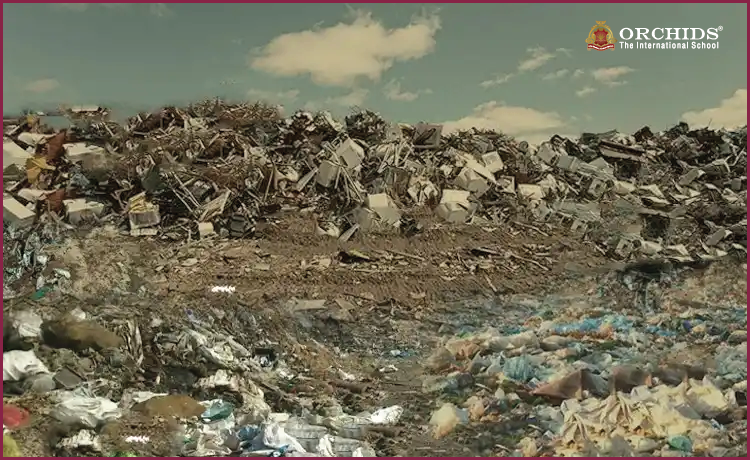
To understand it better, think of what we already see around us.
- In Punjab, the constant use of chemical fertilisers has made the soil so weak that crops are losing quality and vegetables carry chemical residues.
- In parts of China, industries released toxic metals into the ground, and now even rice grown there is unsafe.
- Something similar happens when oil or biogas spills over farmland; plants just stop growing.
So when we put all this together, it becomes clear that soil pollution is not a distant issue; it is happening silently around us, and experts say millions of hectares of land are already affected.
When you look at causes of soil pollution images, it’s clear how deeply human activities harm the land, from plastic litter to chemical waste
Before we ask how to fix soil pollution, it is important to know what are the causes of soil pollution are beneath our feet.
13 Major Causes of Soil Pollution
Soil doesn’t get polluted in one day. The damage builds slowly through industrial activity, careless waste handling, war chemicals, mining, and even what we throw out from our homes.
These harmful substances enter the soil and then keep spreading, first to crops and groundwater, and later to animals and human health. Once that chain begins, reversing it becomes slow and expensive.
So let us look at the key causes of soil pollution and the effects of soil pollution simply and clearly.
- Industrial leaks and accidentsstart the chain, because once chemicals escape, they sink into the soil and remain there for decades, continuing to harm life long after the accident is over.
If you’ve ever seen the causes of soil pollution images, you know how badly waste, chemicals, and plastics damage the ground.
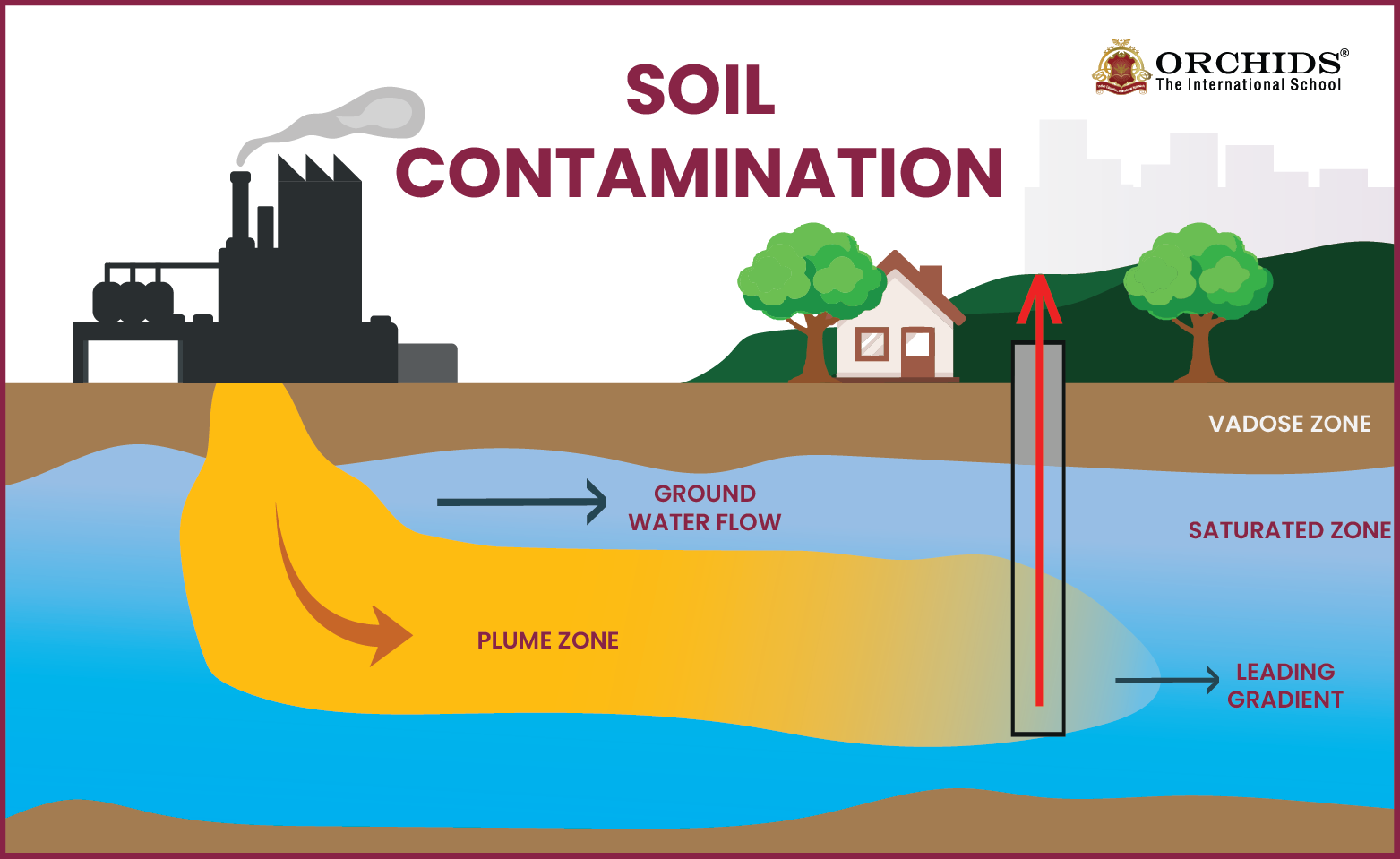
- Then comesacid rain, which slips into the ground and quietly changes the soil chemistry. As the microbes and roots die, fertility drops and crop quality falls.
- Inconflict zones, chemicals used in war do not disappear once peace returns; they stay in the soil and keep harming plants, animals and people long after the war is forgotten.
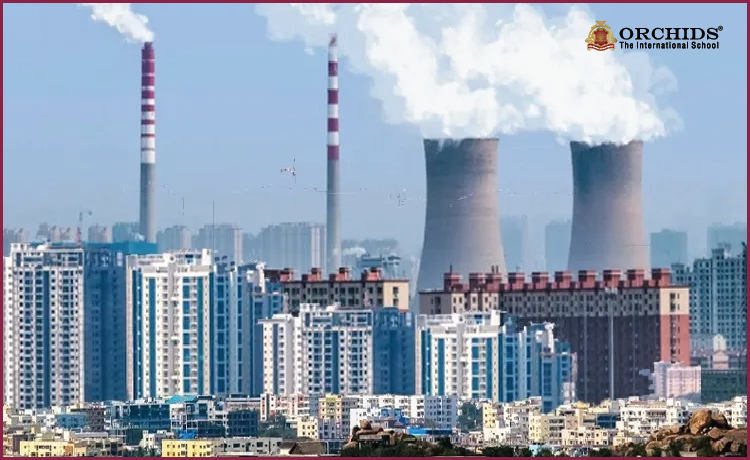
- Coal power plants add to this load because their ash, carrying heavy metals, settles on land and keeps adding toxins year after year.
- Similarly, underground tanks and pipelines, when they begin to corrode, leak fuel slowly into the ground. Since it happens out of sight, people realise it only after the soil is already damaged.
- Untreated sewage makes it worse because the dirty water seeps into the soil and later travels downward to contaminate groundwater.
- On top of that, dumped electronic waste releases metals like lead and mercury. These enter the soil and later return to our bodies through food.
And when you look closely at the causes of soil pollution images, you will notice that industrial dumping appears repeatedly.
- Landfills and illegal dumping continue the cycle, as rain flowing through garbage forms a toxic liquid that seeps into the surrounding soil.
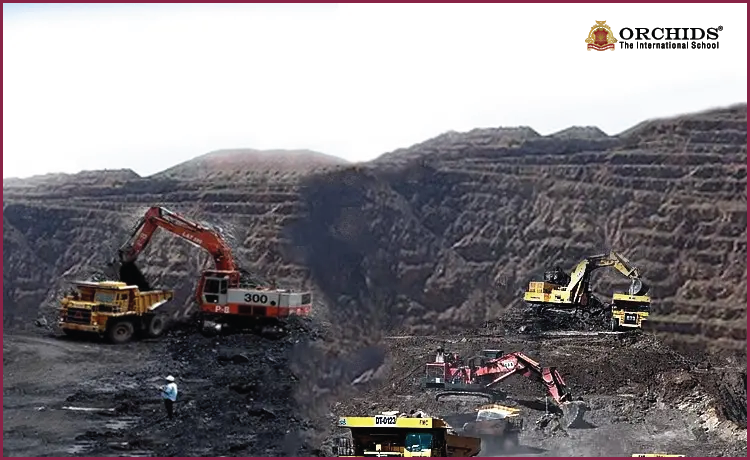
- Mining adds another layer, stripping topsoil and leaving behind chemicals and dust that slowly degrade the surrounding land.
- Microplastics then lock themselves into the soil, refusing to break down and blocking the soil’s ability to breathe and hold moisture.
- Where nuclear waste is mishandled, the effect is even longer, since radioactive particles make entire areas unsafe for human life.
- Oil spills on land add to the problem by coating the soil and cutting off air and water movement, killing plants directly.
- Finally,every day, waste thrown carelessly keeps leaking chemicals into the soil. Over the years, this slow leak has permanently lowered soil quality.
Once we understand the causes and effects of soil pollution, the next question is: how does it actually harm life, food and the environment?
Let’s discuss.
It all starts with the soil losing its health as toxins kill useful microbes and reduce fertility, leading to poor crop yield. These harmful substances then enter our food through plants and gradually reach humans and animals, causing health issues and upsetting the food chain.
The pollutants also seep into groundwater, making it unsafe for use. Over time, this silent damage spreads, hurting soil, water, wildlife, and human health, all at once.
Even a glance at these causes of images of soil pollution is enough to understand why farmers are losing fertile land.
And once the harm is understood, the natural next step is to ask: How do we control the causes and effects of soil pollution, before the damage becomes permanent?
The government can set strict rules against dumping waste and promote eco-friendly farming methods like using organic manure and crop rotation.
Communities can help by improving waste segregation, recycling materials, and planting more trees to restore soil balance.
And it doesn’t stop there; even simple choices at home, like reducing plastic use, composting kitchen waste, and switching to biodegradable products, can make a lasting difference.
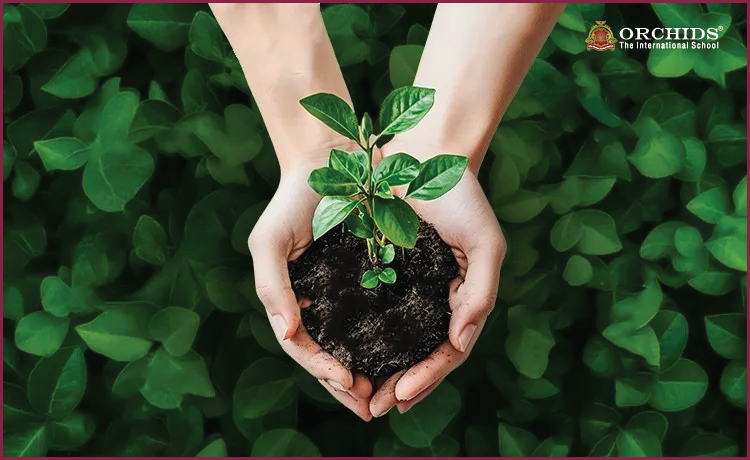
When all these efforts come together, the soil slowly begins to heal, making the planet cleaner and healthier for everyone.
So, in this article, we learnt about the causes and effects of soil pollution and that when action flows from all three directions, rules from the top, support from society and habits from the individual, the soil slowly begins to heal.
Frequently Asked Questions on Causes of Soil Pollution
1. What are the causes of soil pollution in the present day?
The major cause is the release of industrial waste and chemicals, along with excessive use of fertilisers and pesticides in agriculture, which slowly degrade soil quality.
2. Do regular household habits contribute to soil pollution?
Yes. Throwing plastic, sanitary waste, kitchen waste, detergents or sewage on open land can contaminate the soil around homes and public areas.
3. Can polluted soil affect human health directly or indirectly?
Yes. When toxic substances enter crops and drinking water, they can lead to food poisoning, skin allergies, breathing issues and even long-term diseases.
4. Is it possible to restore polluted soil to a healthy condition?
It cannot be reversed quickly, but soil can recover over time through steps like organic farming, proper waste treatment, recycling and reforestation.
5. Why is soil pollution treated as a global environmental concern?
Because damaged soil reduces crop yield, affects water quality and disrupts ecosystems worldwide, restoring soil fertility takes many years.
6. Which human practices help minimise soil pollution the most?
Using biodegradable products, composting organic waste, adopting organic farming, and ensuring industries treat waste before disposal create minimal harm.
Science isn't just a subject, it's the way of seeing the world. Curious how Orchids The International School teaches it that way? Talk to our admissions team.
Admissions Open for 2026-27
What type of concept pages would you prefer?
CBSE Schools In Popular Cities
- CBSE Schools in Bangalore
- CBSE Schools in Mumbai
- CBSE Schools in Pune
- CBSE Schools in Hyderabad
- CBSE Schools in Chennai
- CBSE Schools in Gurgaon
- CBSE Schools in Kolkata
- CBSE Schools in Indore
- CBSE Schools in Sonipat
- CBSE Schools in Delhi
- CBSE Schools in Rohtak
- CBSE Schools in Bhopal
- CBSE Schools in Aurangabad
- CBSE Schools in Jabalpur
- CBSE Schools in Jaipur
- CBSE Schools in Jodhpur
- CBSE Schools in Nagpur
- CBSE Schools in Ahmednagar
- CBSE School In Tumkur











Orchids The International School is one of India's leading chains of CBSE and ICSE schools, with 110+ schools across the country.