

Pneumonia Symptoms
Pneumonia symptoms are one of the most disregarded health indicators in daily life in the present day. Because the illness frequently starts with mild symptoms like fatigue, a slight cough, or rapid breathing that do not initially appear serious, people may not always notice them right away.
However, particularly in newborns, young children, and the elderly, these early indicators can rapidly worsen and impact the lungs, oxygen supply, and general health.
This article discusses pneumonia's definition, the main cause of pneumonia that affects people of all ages, and the importance of early detection.
Table of Contents
- What is Pneumonia?
- Major Signs and Symptoms of Pneumonia
- Frequently Asked Questions on Pneumonia Symptoms

What is Pneumonia?
The symptoms of pneumonia, a lung infection, vary from person to person. For some, it starts out mildly, like a bad case of the flu. Others experience chest pain and a sudden, high fever.
Early symptom recognition is crucial because it keeps the infection from getting worse and lowers complications.
Before we go into age-wise symptoms, one simple question helps: what actually happens inside the lungs during pneumonia?
Fluid and infected cells start filling the air sacs of the lungs. Once this space is occupied, breathing becomes harder, and the body begins to react through visible symptoms.
Now the obvious question is: if pneumonia is just a lung infection, where does it actually come from?
Pneumonia develops when infectious agents, most commonly bacteria, viruses or fungi, enter the lungs and start multiplying.
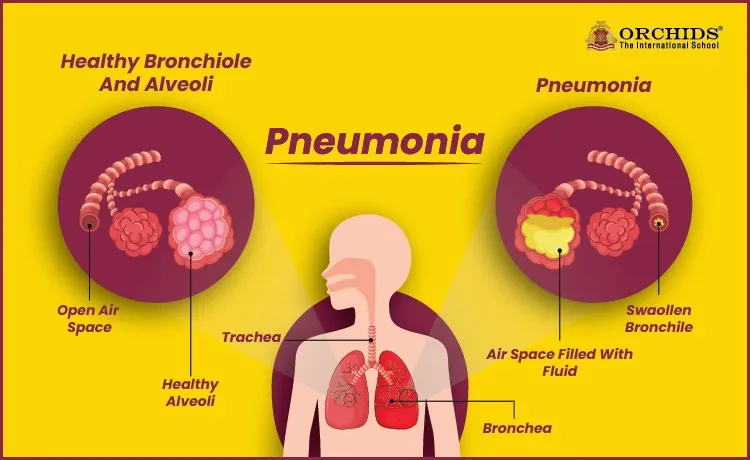
These microbes inflame the air sacs and fill them with fluid or pus, making breathing painful and oxygen exchange difficult.
Over time, this inflammation can turn into a mild respiratory illness with only early signs and symptoms of pneumonia.
Next, let’s discuss some of the main causes of pneumonia.
11 Major Signs and Symptoms of Pneumonia
Certain groups are more vulnerable because their bodies cannot fight well: newborns, older adults, people with weak immunity, and those with chronic illnesses like COPD, asthma, or diabetes.
That is why the signs and symptoms of pneumonia in newborns or the signs and symptoms of paediatric pneumonia may look completely different from those in adults, and infants usually show fast breathing, poor feeding or unusual sleepiness instead of a strong cough or fever.
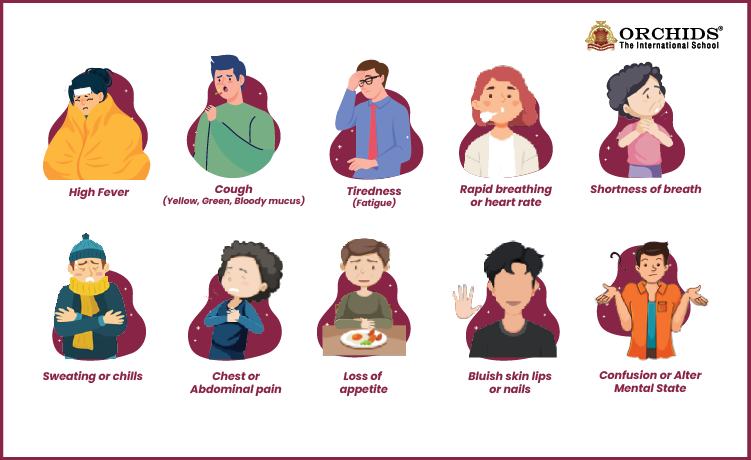
On the other end, the common signs and symptoms of pneumonia in adults include high fever, chest pain during breathing, chills and a productive cough with coloured mucus.
Now, let us discuss the major signs and pneumonia symptoms in detail.
- To begin with, fever is one of the earliest and strongest signals. It may be mild at first and then rise sharply as the infection spreads through the lung tissue.
- Along with fever, shaking chills, and excessive sweating are very common. This happens when the body tries to control internal temperature.
- Cough is a classic symptom. It may start dry and later bring up greenish, yellow or sometimes bloody mucus, especially in bacterial cases, a key marker among the early signs and symptoms of pneumonia.
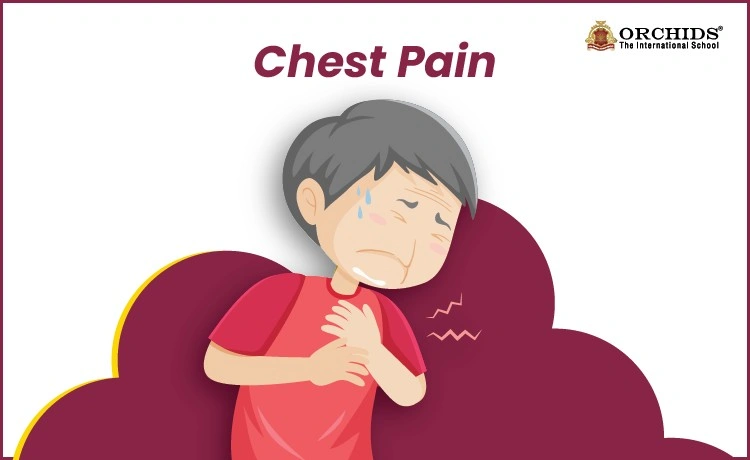
- Moving ahead, chest pain becomes obvious when coughing or taking deep breaths. This sharp, stabbing pain is due to irritation of the inflamed lung membranes.
- Breathing also becomes noticeably faster. A high respiratory rate or sense of breathlessness is one of the red-flag signs and symptoms of pneumonia, especially in children and older adults.
- The pulse rate increases because the heart pumps harder to carry low-oxygen blood around the body.
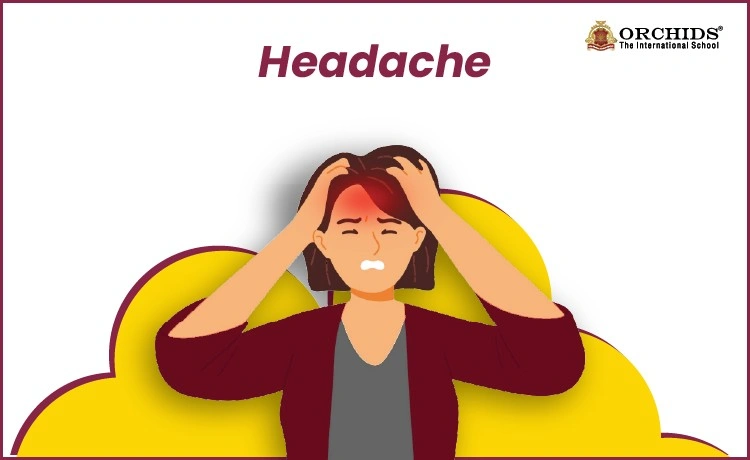
- Headache, muscle pain, low energy and fatigue reflect how the infection drains the body’s strength over days.
- Loss of appetite and general weakness make daily activities difficult as the body redirects energy toward fighting the infection.
- Clammy or cold skin may appear due to poor temperature balance and circulation.
- In some cases,confusion or altered awareness appears, especially in elderly people with low oxygen levels. It is one of the most easily missed early signs and symptoms of pneumonia in seniors.
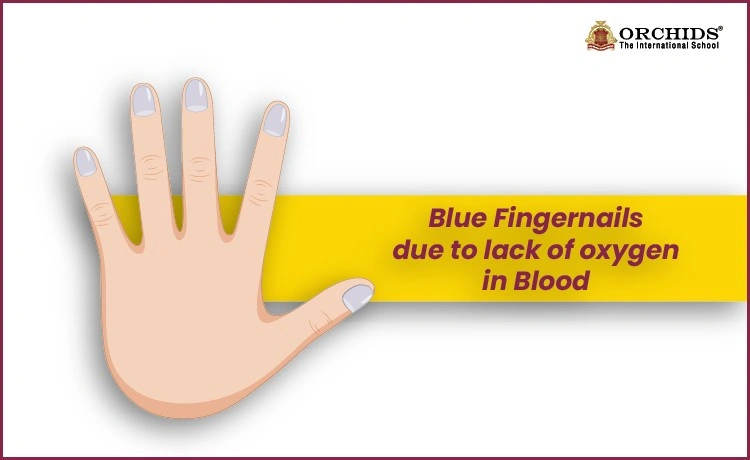
- Finally,a bluish colour on the lips or nail beds signals dangerously low oxygen in the blood and requires urgent medical help.
In this article, we studied that the main causes of pneumonia symptoms are often missed early because they begin softly and look like a simple cold or tiredness.
However, prompt identification can avert severe lung damage, regardless of the subtle symptoms or the common signs of pneumonia in adults or newborns and children.
Being aware of these symptoms as students enables us to take appropriate action, mentor others, and prevent complications before the infection worsens.
Frequently Asked Questions on Pneumonia Symptoms
1. What are the symptoms of walking pneumonia?
It causes mild symptoms like dry cough, low fever, tiredness, sore throat, chest discomfort and headache. People often continue daily work despite an infection.
2. What are the symptoms of pneumonia in adults?
Adults may have high fever, chills, chest pain on breathing, cough with mucus, shortness of breath, fatigue and sometimes bluish lips due to low oxygen.
3. What are the symptoms of pneumonia in newborns?
Newborns may show fast or difficult breathing, grunting, poor feeding, sleepiness, low temperature or bluish skin around lips and nails, often without a strong cough.
4. Can a person have pneumonia without any symptoms?
Yes. Elderly, diabetic or immune-weak patients can have “silent pneumonia” where infection exists but symptoms are mild or absent.
5. How do pneumonia symptoms develop or appear?
Pneumonia Symptoms often begin like a cold or the flu and then worsen into a deep cough, fever and breathing difficulty as the lung infection progresses.
6. Is pneumonia contagious?
Yes. Many types spread through cough or sneeze droplets and close contact, especially in crowded indoor spaces.
7. How long does pneumonia last?
Mild cases improve in 1-2 weeks; full recovery may take 3–6 weeks, depending on age, immunity and infection type.
Science isn't just a subject, it's the way of seeing the world. Curious how Orchids The International School teaches it that way? Talk to our admissions team.
Admissions Open for 2026-27
What type of concept pages would you prefer?
CBSE Schools In Popular Cities
- CBSE Schools in Bangalore
- CBSE Schools in Mumbai
- CBSE Schools in Pune
- CBSE Schools in Hyderabad
- CBSE Schools in Chennai
- CBSE Schools in Gurgaon
- CBSE Schools in Kolkata
- CBSE Schools in Indore
- CBSE Schools in Sonipat
- CBSE Schools in Delhi
- CBSE Schools in Rohtak
- CBSE Schools in Bhopal
- CBSE Schools in Aurangabad
- CBSE Schools in Jabalpur
- CBSE Schools in Jaipur
- CBSE Schools in Jodhpur
- CBSE Schools in Nagpur
- CBSE Schools in Ahmednagar
- CBSE School In Tumkur











Orchids The International School is one of India's leading chains of CBSE and ICSE schools, with 110+ schools across the country.