

Causes of Air Pollution: Types of Pollutants, Sources and Impact on Health
Causes of air pollution are among the biggest environmental threats we face today. They impact the air we breathe every day, even when we cannot see them.
Though the air looks clean, tiny harmful gases and particles inside it can harm our lungs, reduce visibility, and even alter the Earth’s climate. Therefore, understanding air pollution is important not only for exams but also for real-life awareness.
This article provides insights into the causes and effects of air pollution and the ways to control it.
Table of Contents
- Must-Know Facts About Air Pollution
- What Is Air Pollution?
- Main Causes of Air Pollution
- Frequently Asked Questions on Causes of Air Pollution

Must-Know Facts About Air Pollution
|
These facts show that air pollution is not just a local issue; it is a global challenge affecting both people and the planet.
Let’s first understand what the term air pollution really means.
What Is Air Pollution?
Air pollution is not just “dirty air”. It is air that has been mixed with harmful substances to a point where breathing it can damage health, affect animals, harm plants, and even change the climate.
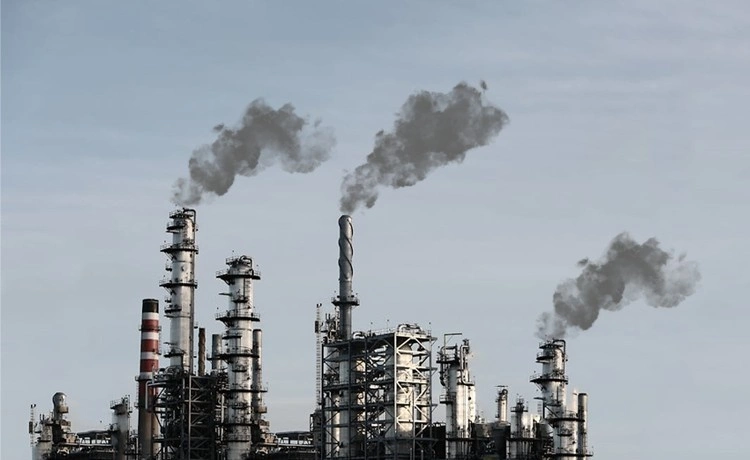
So how does air become polluted? Let’s discuss.
It starts when gases and particles enter the atmosphere from vehicles, factories, burning fuels and other sources. Once these pollutants spread into the air, they dilute, travel and linger, making the air unsafe.
In simple terms, we can say that:
When clean air is mixed with these unwanted gases and particles, it loses its purity and becomes polluted. This polluted air does not just stay outside; it travels, settles indoors and eventually reaches the very air we breathe every day.
Also Read: Effects of Air Pollution on Human Health
After knowing what air pollution is, the next step is to study the causes of air pollution, and images that help us identify where these pollutants actually come from
Main Causes of Air Pollution
Now the obvious question is: if we cannot always see pollution, how do we know the air is polluted?
Air pollution comes from both human activities and natural events. Most of the dirty air we breathe is linked to the way we produce energy, run industries, grow food, travel, and manage waste.
These activities release gases and fine particles that stay suspended in the air for hours or even weeks. Over time, this polluted air damages human health, weakens ecosystems, and speeds up climate change.
Now, let’s discuss the main causes of air pollution in detail.
1) To begin with, the biggest share of polluted air comes from the burning of coal, petrol, diesel and natural gas for electricity and transport.
If you look at the causes of air pollution images, you can clearly see how everyday human activities fill the air with harmful gases:
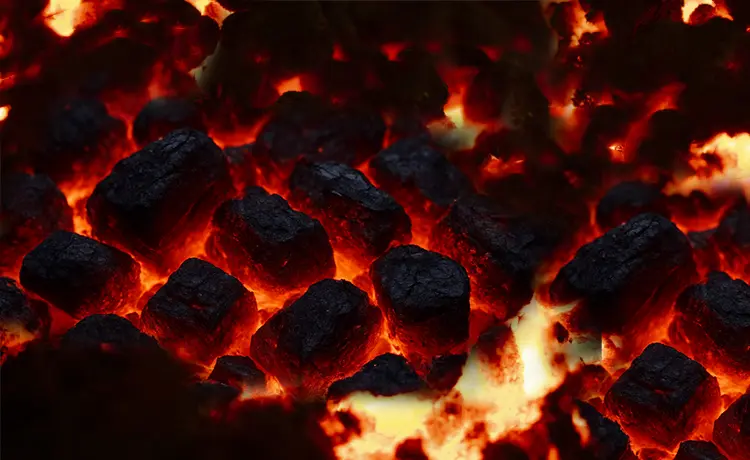
Interestingly!! Thermal plants and engines emit CO₂, CO, SO₂, NOx and fine particles that travel long distances and later cause acid rain or heart-related stress.
Since fossil fuels are still the primary source of global energy, their impact is large and constant.
2) Along with power production, manufacturing units add another strong layer of pollution.
To support better understanding, below are the causes of air pollution that visually highlight the major contributors, like industries:
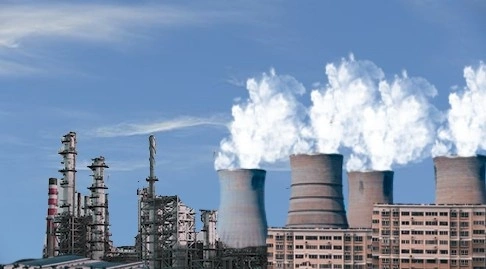
The fact is that industries that run on wood and coal release particulate matter, VOCs and toxic gases that irritate the eyes, throat and lungs.
These gases also build ground-level ozone, which locks heat near the Earth and pushes temperatures upward each year.
3) Moving ahead, the vehicles that run on city streets add another direct stream of pollutants into the air. Exhaust from cars, buses, trucks and two-wheelers contains hydrocarbons, carbon monoxide and nitrogen oxides.
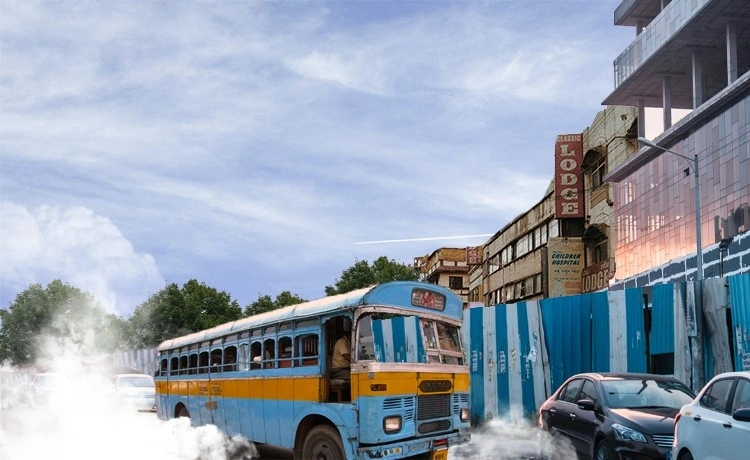
Regular exposure to heavy traffic is compared to passive smoking, as these gases also react with sunlight and weaken the ozone layer over time.
4) Apart from engines and factories, modern farming also affects air quality. Fertilisers, pesticides and open burning of crop residue release ammonia and soot into the atmosphere.
Seasonal stubble burning produces smog that travels between states and lowers visibility.
In fact, agricultural smoke is one of the main reasons for sudden spikes in winter air pollution.
5) At the same time, pollution is not limited to outdoor roads and farms. Homes and offices contain hidden sources such as cooking smoke, tobacco, cleaning sprays, paints and furniture chemicals.
According to global health reports, millions of deaths are linked to the air people breathe inside their own houses, especially among children and the elderly.
6) In addition to residential and rural sources, mining also plays a role. Digging for minerals throws dust and chemical particles into the air that settle inside the lungs of workers and people living nearby.
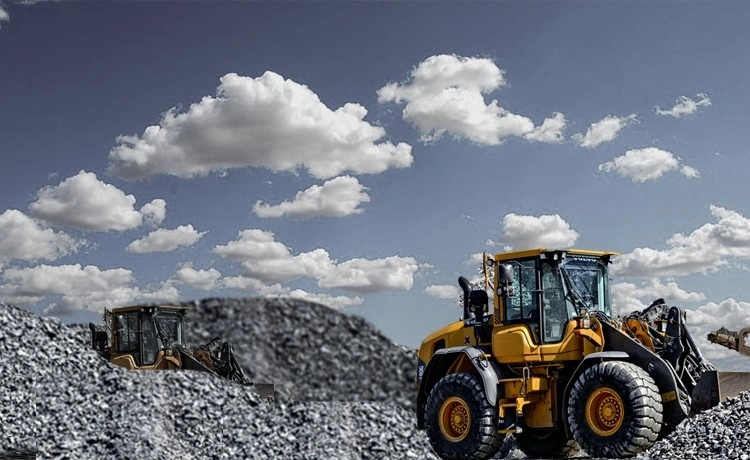
And you might wonder: many mining-zone residents report long-term breathing problems caused by constant dust exposure.
7) Besides human activity, some natural events also load the air with pollutants. Wildfires release soot clouds that remain in the air for days, and because of rising temperatures, these fires are now more frequent.
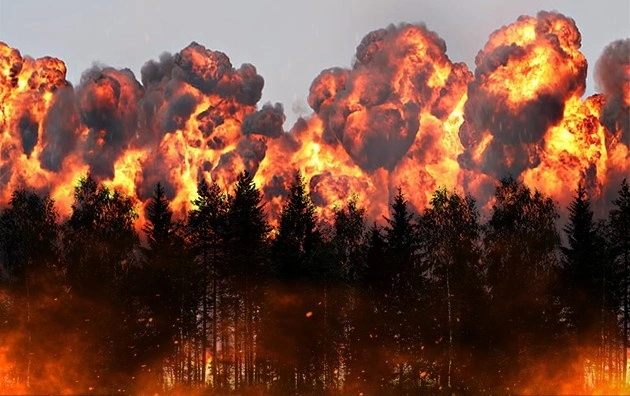
Volcanic eruptions inject large volumes of sulphur dioxide and ash into the sky, influencing sunlight and weather cycles for months.
8) Further, in places without proper waste disposal, garbage piles are often burnt in the open. Mixed waste releases black carbon and toxic fumes that weaken the immune system and irritate the skin and lungs.
Black carbon that travels from such fires settles on glaciers and speeds up melting, indirectly adding to climate change.
9) As cities expand, construction activity becomes another strong contributor. Dust from cement, bricks and demolition fills the air around busy sites.
This dust can stay suspended for hours and leads to burning eyes, dry throat and respiratory discomfort among workers and residents.
10) Finally, when organic waste breaks down, bacteria release methane and nitrogen gases into the air. Methane is a powerful greenhouse gas and continuous exposure increases breathing difficulty.
Landfills and sewage areas, therefore, silently add to long-term air degradation without any visible smoke.
Looking at the causes of air pollution images helps us realise that pollution isn’t something distant; it’s created by things we see and use every single day.
Once we understand the main causes of air pollution, the next question is: how does it affect life on Earth?
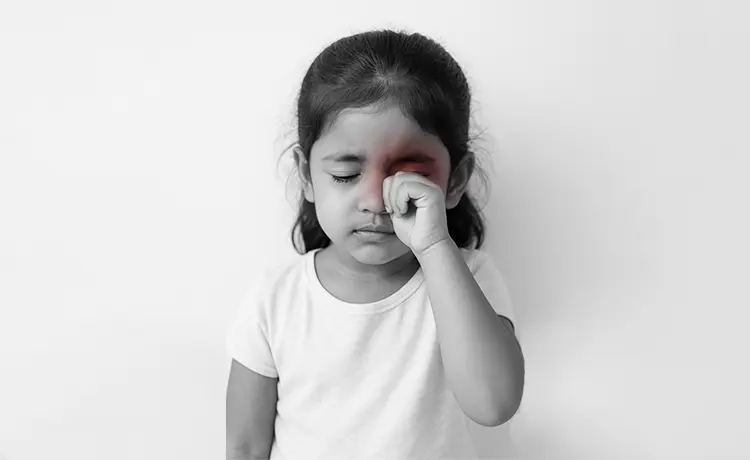
The effects of air pollution is not just about a little dust or some coughing. Dirty air slowly starts affecting everything: our health, the food we eat, the trees around us, and even the weather.
It makes breathing harder, hurts animals, and adds to the heat we feel every year. And in the end, it even affects how we live and work. When the air suffers, we all feel it.
But once the problem is understood, the next step becomes clear: how do we reduce it?
Reducing air pollution needs teamwork from the government, communities, and individuals. From enforcing clean energy laws to planting trees and choosing eco-friendly habits, every action counts.
When everyone contributes, the air we share becomes cleaner and safer to breathe.
As shown in many causes of air pollution images, factors like vehicle exhaust, industrial smoke, and open waste burning are some of the biggest reasons our air keeps getting polluted.
So far, we have discussed that recognising both the effects of air pollution and the solutions creates a clear roadmap, a way to protect our air and our future.
Frequently Asked Questions on Causes of Air Pollution
1. What is the biggest cause of air pollution today?
The largest share of air pollution still comes from burning fossil fuels in vehicles and power plants. These release gases and fine particles that stay in the air for long durations.
2. Is indoor air also polluted?
Yes. Smoke from cooking, incense sticks, cigarettes, cleaning chemicals and poor ventilation can make indoor air even more harmful than outdoor air in some homes.
3. Can air pollution cause long-term diseases?
Yes. Continuous exposure can lead to asthma, chronic bronchitis, heart disease and, in severe cases, even lung cancer.
4. Is air pollution reversible?
Not instantly. However, air quality can improve over time through cleaner fuels, strict emission control, better public transport and responsible habits.
5. Why is air pollution considered a global issue?
Because polluted air does not stay in one location. Winds carry it across cities and countries, and climate changes triggered by pollution affect the entire planet.
6. Which of the following causes minimal air pollution?
Clean energy sources like solar, wind, hydropower and electric transport produce very little to almost no air pollution compared to fossil fuel-based systems.
Science isn't just a subject, it's the way of seeing the world. Curious how Orchids The International School teaches it that way? Talk to our admissions team.
Admissions Open for 2026-27
What type of concept pages would you prefer?
CBSE Schools In Popular Cities
- CBSE Schools in Bangalore
- CBSE Schools in Mumbai
- CBSE Schools in Pune
- CBSE Schools in Hyderabad
- CBSE Schools in Chennai
- CBSE Schools in Gurgaon
- CBSE Schools in Kolkata
- CBSE Schools in Indore
- CBSE Schools in Sonipat
- CBSE Schools in Delhi
- CBSE Schools in Rohtak
- CBSE Schools in Bhopal
- CBSE Schools in Aurangabad
- CBSE Schools in Jabalpur
- CBSE Schools in Jaipur
- CBSE Schools in Jodhpur
- CBSE Schools in Nagpur
- CBSE Schools in Ahmednagar
- CBSE School In Tumkur











Orchids The International School is one of India's leading chains of CBSE and ICSE schools, with 110+ schools across the country.