

Causes of Noise Pollution: Effects, Sources and Key Prevention Methods
Causes of noise pollution are one of the most overlooked environmental problems in our daily lives. We might not always notice it, but unwanted sounds surround us almost everywhere on busy roads, in markets, during celebrations, and even at home.
These loud and disturbing sounds are more than just annoying; they can harm our health, disturb wildlife, and reduce our quality of life.
This article acts as a perfect guide to understanding what is noise pollution, its major causes and how it affects living beings.
Table of Contents
- What is Noise Pollution
- 7 Main Causes of Noise Pollution
- Frequently Asked Questions on Causes of Noise Pollution

What Is Noise Pollution?
Noise pollution refers to the presence of unwanted or harmful sounds in the environment that disturb human and animal life. In scientific terms, it is defined as the excessive or unpleasant sound that interferes with normal activities such as sleeping, studying, or communication.
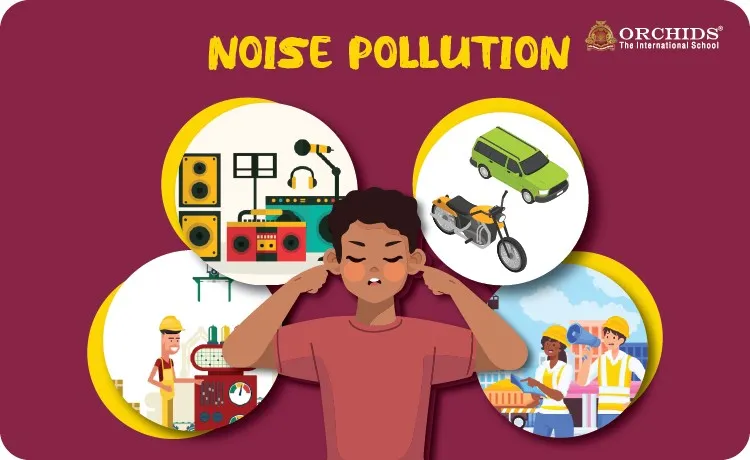
The intensity of sound is measured in decibels (dB). According to the World Health Organisation (WHO), sound levels below 70 dB are considered safe for living organisms, but constant exposure to noise levels above 85 dB can be harmful.
To give you an idea:
- A whisper measures about 20 dB
- Normal conversation is around 60 dB
- Heavy traffic or loud music can exceed 90 dB
When the sound level goes beyond what our ears can comfortably handle, it turns into noise pollution.
Also Read: Effects of Air Pollution on Plants
After understanding what is noise pollution, it becomes essential to understand the main causes behind it.
7 Main Causes of Noise Pollution
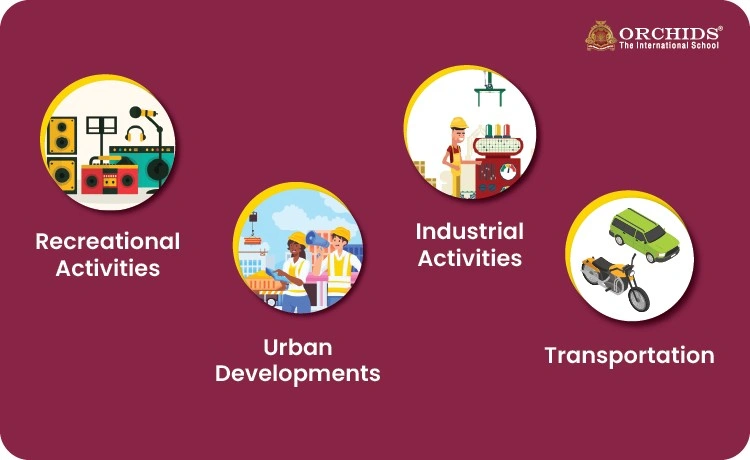
Noise pollution today is mainly linked to human activity. The way we travel, build, celebrate, work and organise cities leaves the environment filled with unwanted sound that harms health and nature.
To understand this better, let’s take a look at some causes of noise pollution images that show where most of the noise around us actually comes from.
Now, let us look at the 7 main causes of noise pollution in detail.
- To begin with, transport is the largest and most constant source of noise in cities. Road traffic, honking, railway engines, aircraft take-offs, and ship movement create high sound levels throughout the day. Areas near airports and highways stay loud for long hours, and people living there experience continuous exposure.
- Machines in factories, power plants and workshops run for long durations and produce high decibel levels. Workers who operate near these machines often face gradual hearing loss and mental fatigue over time.
- Drilling, hammering and cranes used to build flyovers, towers and roads spread loud noise across neighbourhoods. Since cities are always expanding, this type of noise is now common in most developing regions.
- Festivals, weddings, concerts, rallies and fireworks use loudspeakers that disturb people, animals and patients in nearby hospitals or schools. Even if short, these events push noise levels far above safe limits.
- Loud televisions, music systems, mixers, vacuum cleaners and even pets create regular disturbance. In apartments with thin walls, sound easily travels and becomes a daily issue for neighbours.
- When homes, markets and factories are built close to each other, noise from many sources overlaps. This results in constant background noise that affects everyone living in those areas.
- Thunderstorms, earthquakes and volcanic eruptions release powerful sound waves. While such events are rare, they show that noise can also come from nature, not only from human actions.
Taken together, these causes explain why noise pollution has become a daily problem and why its control requires action at multiple levels before the effects grow deeper.
So, how does noise pollution actually impact living beings? Let’s discuss the effects of noise pollution on health and environment.
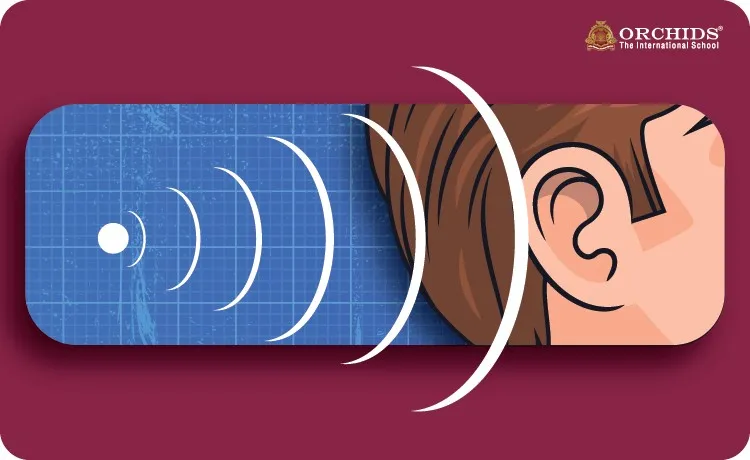
It starts small, with irritation or sleepless nights, but over time, constant noise can damage hearing, raise stress, and strain the heart. It also makes it harder to focus, whether at school or work.
Animals suffer too, and birds fly away from noisy areas, and marine creatures lose their way because of ship sounds. As this continues, plants, animals, and people all start to feel the impact.
Bit by bit, noise pollution disturbs the calm and balance of life around us.
And is there a way to bring noise pollution under control? Let’s find out.
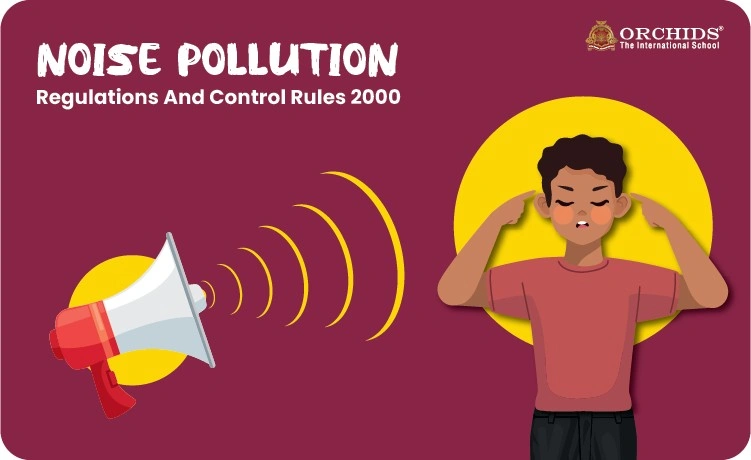
It’s something that needs everyone’s help: the government, communities, and each one of us. The Noise Pollution (Regulation and Control) Rules, 2000, provide a legal framework by setting limits for noise from vehicles, industries, and public events, ensuring a safer and quieter environment.
The government can enforce these rules, promote quieter transport, and regulate loud activities. Communities can plant trees, manage local events responsibly, and raise awareness about noise. We can also contribute by avoiding unnecessary honking, lowering music volumes, and being mindful of our surroundings.
When we all make small changes together, life becomes calmer, healthier, and more peaceful.
In this article, we understood that noise pollution is not just a city problem; it’s a global issue.
As students, understanding this topic helps us take action in our everyday lives. And by looking at these causes of noise pollution images, we can understand how noise builds up in cities and affects our surroundings every day.
Whether it’s turning down the volume, avoiding firecrackers, or spreading awareness in school, every small effort counts toward building a peaceful environment.
Frequently Asked Questions on Causes of Noise Pollution
1. What is noise pollution?
Noise pollution means unwanted or loud sounds in the environment that disturb people and animals and can harm them if the exposure continues.
2. What are the main causes of noise pollution?
The common sources are traffic, industries, construction work, loudspeakers during events and household machines like mixers and generators.
3. How does noise pollution affect humans?
It can cause hearing loss, headaches, disturbed sleep, stress and even heart problems when loud noise continues for long periods.
4. How does transportation contribute to noise pollution?
Engines on roads, constant honking, trains, and aircraft take-offs increase the background noise level in cities.
5. Can animals be affected by noise pollution?
Yes. Many animals depend on sound to find food or communicate. Loud human-made noise confuses them and disrupts their normal activities.
6. How can we reduce noise pollution at home?
Keep music and TV volume low, avoid using noisy appliances late at night and use curtains or insulation to reduce outside noise.
7. What are silence zones?
Silence zones are areas like hospitals, schools and libraries where loud sounds and honking are restricted to keep the surroundings calm.
8. Why is it important to control noise pollution?
Because reducing noise protects health, improves sleep and helps maintain a peaceful and healthy environment for humans and animals.
Science isn't just a subject, it's the way of seeing the world. Curious how Orchids The International School teaches it that way? Talk to our admissions team.
Admissions Open for 2026-27
What type of concept pages would you prefer?
CBSE Schools In Popular Cities
- CBSE Schools in Bangalore
- CBSE Schools in Mumbai
- CBSE Schools in Pune
- CBSE Schools in Hyderabad
- CBSE Schools in Chennai
- CBSE Schools in Gurgaon
- CBSE Schools in Kolkata
- CBSE Schools in Indore
- CBSE Schools in Sonipat
- CBSE Schools in Delhi
- CBSE Schools in Rohtak
- CBSE Schools in Bhopal
- CBSE Schools in Aurangabad
- CBSE Schools in Jabalpur
- CBSE Schools in Jaipur
- CBSE Schools in Jodhpur
- CBSE Schools in Nagpur
- CBSE Schools in Ahmednagar
- CBSE School In Tumkur











Orchids The International School is one of India's leading chains of CBSE and ICSE schools, with 110+ schools across the country.