

Pneumonia
Pneumonia is a common yet serious lung infection that can be caused by more than 30 different bacteria, viruses, and fungi. It leads to inflammation of the air sacs in one or both lungs, causing them to fill with fluid or pus. This results in symptoms like cough, fever, breathing difficulty, chills, and chest discomfort.
This article acts as a perfect guide to learn what pneumonia is, how it spreads, its different types, symptoms, pneumonia treatment methods, prevention tips, and key points every student should remember.
Table of Contents
- What is Pneumonia?
- Pneumonia Symptoms and Treatment
- Pneumonia Preventions
- Frequently Asked Questions on Pneumonia

What is Pneumonia?
Pneumonia is a serious infection of the lungs caused by bacteria, viruses, or fungi. It can range from mild to life-threatening and is particularly dangerous for infants and young children, adults over 65, and people with weakened immune systems.
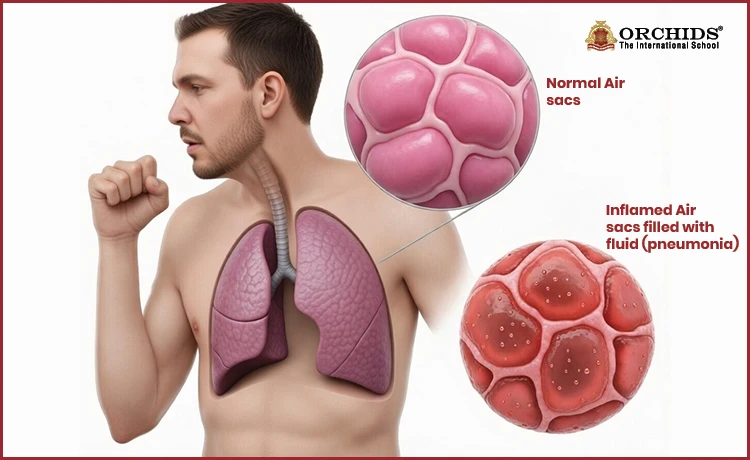
Depending on the type of microorganism, pneumonia can be bacterial, viral, or mycoplasmic. Proper diagnosis and timely treatment are essential to prevent complications.
But did you know pneumonia isn’t just one disease?
It comes in several forms depending on what causes it.
1. Bacterial pneumonia is the most common type, often caused by Streptococcus pneumoniae.
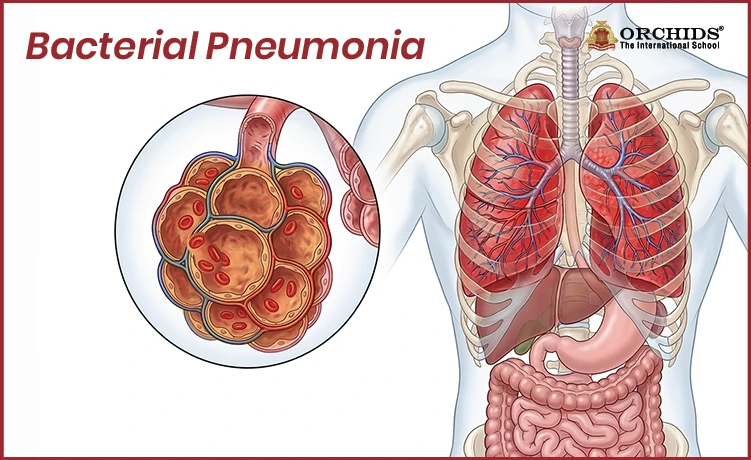
It usually affects people with existing lung problems or a weakened immune system and is more common among older adults or those who consume alcohol excessively.
2. Viral pneumonia, on the other hand, is caused by viruses such as the influenza virus and accounts for over a third of pneumonia cases.
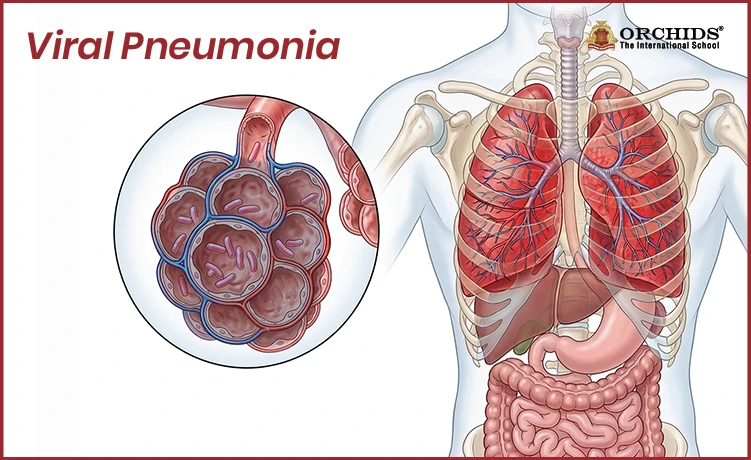
3. Then there’s mycoplasma pneumonia, sometimes called atypical pneumonia because its symptoms differ from typical cases.
This type is caused by Mycoplasma pneumoniae, tends to be milder, and can affect people of all ages.
4. There are also other, less common forms of pneumonia caused by different infectious agents, including fungi.
Understanding the type of pneumonia is key because it influences how the infection is treated and how serious it can become. Recognising the signs early and seeking proper medical care can make a big difference in recovery.
Have you ever wondered how pneumonia actually develops?
Pneumonia Symptoms and Treatment
It all starts when germs like bacteria, viruses, or fungi find their way into the lungs.
But why does it become a problem?
These germs multiply faster than your immune system can fight them off. Once they reach the tiny air sacs in your lungs, inflammation sets in, and the sacs fill with fluid or pus.
This makes it harder for oxygen to get into your bloodstream, and that’s when symptoms begin to appear.
So, what does pneumonia feel like?
Many people notice a persistent cough that produces yellow, green, or sometimes blood-tinged mucus. Shortness of breath can happen even with light activity. Fever, chills, and sweating often follow.
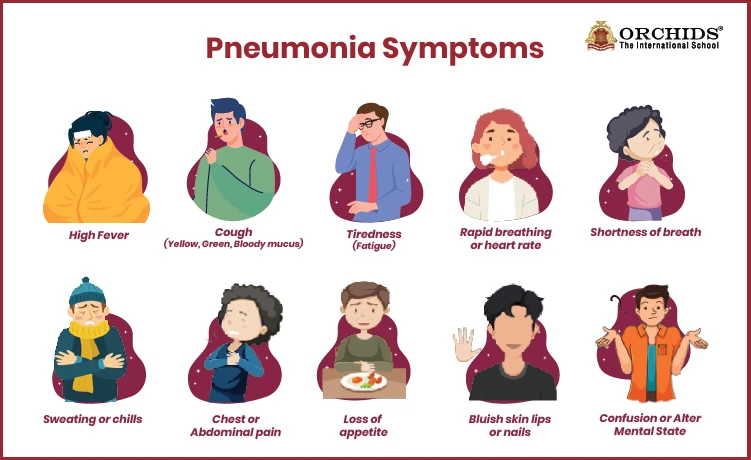
You might also experience loss of appetite, fatigue, nausea, or chest discomfort that worsens when you breathe deeply or cough.
But did you know that in children and older adults, pneumonia can show up differently?
Instead of the usual pneumonia symptoms, they might seem unusually tired, confused, or breathe faster than normal.
And how is pneumonia treated?
Let’s discuss.
-
That depends on the cause. If it’s bacterial, antibiotics are the main pneumonia treatment, but mild cases can often be managed at home with rest, fluids, and careful monitoring.
-
In most cases, there’s no direct antiviral medicine, but the infection usually improves as your immune system fights back.
-
No matter the type, what can you do to support recovery? Staying hydrated, eating nutritious meals, and taking medicines to reduce fever or ease pain all help.
-
If breathing becomes difficult, oxygen therapy may be needed. And if the symptoms are severe or there are underlying health conditions, hospital care might be necessary for closer monitoring and stronger support.
The big question is, can you catch it early? Recognising the signs and acting promptly can make all the difference in recovery.
So, next time you notice a lingering cough or unusual fatigue, it might be worth paying attention and checking in with a healthcare professional.
Pneumonia Preventions
Preventing pneumonia isn’t complicated, but a few small, consistent habits can make a big difference. Here’s how you can protect yourself and your loved ones:
1. One of the strongest ways to prevent pneumonia is through vaccination. Even if you’ve been vaccinated before, doctors may still check whether you need a booster or a different type of vaccine.
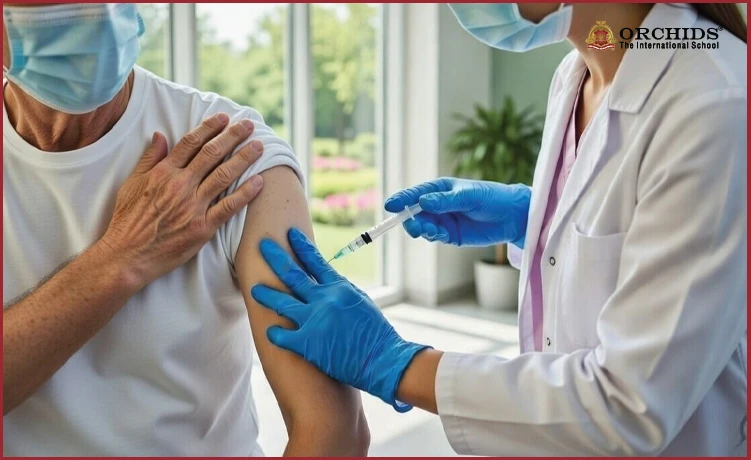
Vaccines are available for different age groups, including:
-
Children under 2
-
Children aged 2-5
-
Adults who fall into higher-risk groups
A quick conversation with your healthcare provider can help you understand which vaccine is right for you.
2. Simple hygiene habits go a long way. Washing your hands regularly and using sanitiser when you’re outdoors or around sick individuals can prevent germs from entering your respiratory system.
3. Reducing or quitting smoking and consuming alcohol can significantly lower your risk of developing pneumonia.
In this article, we discussed pneumonia, and we also learnt how simple prevention measures like vaccination and hygiene can reduce the risk of infection. Understanding pneumonia helps us take timely action and protect our health better.
Frequently Asked Questions on Pneumonia
1. What do you mean by pneumonia?
Pneumonia is an infection of the lungs that causes the air sacs to fill with fluid or pus, making it hard to breathe. It can be caused by bacteria, viruses, or fungi.
2. What are the symptoms of pneumonia?
Common symptoms include cough with mucus, fever, chills, shortness of breath, chest pain, fatigue, and loss of appetite. Symptoms may be milder or different in children and older adults.
3. How does pneumonia spread?
Pneumonia can spread through droplets when an infected person coughs or sneezes or by touching surfaces contaminated with germs.
4. What types of pneumonia are there?
The main types are bacterial, viral, mycoplasma (atypical), and fungal pneumonia. The type affects pneumonia treatment and recovery.
5. How is pneumonia diagnosed?
Doctors diagnose pneumonia using physical exams, listening to the lungs, chest X-rays, blood tests, and sometimes sputum tests to identify the cause.
6. How is pneumonia treated?
Treatment depends on the cause. Bacterial pneumonia is treated with antibiotics. Viral pneumonia usually improves with rest, fluids, and supportive care. Severe cases may require hospitalisation.
7. Can pneumonia be prevented?
Yes. Vaccination, good hygiene, quitting smoking, limiting alcohol, and maintaining overall health can reduce the risk of pneumonia.
8. When should I see a doctor?
See a doctor for high fever, severe breathlessness, chest pain, worsening symptoms, or if you are at high risk.
Science isn't just a subject, it's the way of seeing the world. Curious how Orchids The International School teaches it that way? Talk to our admissions team.
Admissions Open for 2026-27
What type of concept pages would you prefer?
CBSE Schools In Popular Cities
- CBSE Schools in Bangalore
- CBSE Schools in Mumbai
- CBSE Schools in Pune
- CBSE Schools in Hyderabad
- CBSE Schools in Chennai
- CBSE Schools in Gurgaon
- CBSE Schools in Kolkata
- CBSE Schools in Indore
- CBSE Schools in Sonipat
- CBSE Schools in Delhi
- CBSE Schools in Rohtak
- CBSE Schools in Bhopal
- CBSE Schools in Aurangabad
- CBSE Schools in Jabalpur
- CBSE Schools in Jaipur
- CBSE Schools in Jodhpur
- CBSE Schools in Nagpur
- CBSE Schools in Ahmednagar
- CBSE School In Tumkur











Orchids The International School is one of India's leading chains of CBSE and ICSE schools, with 110+ schools across the country.