

Tooth Decay: Signs You Should Never Ignore
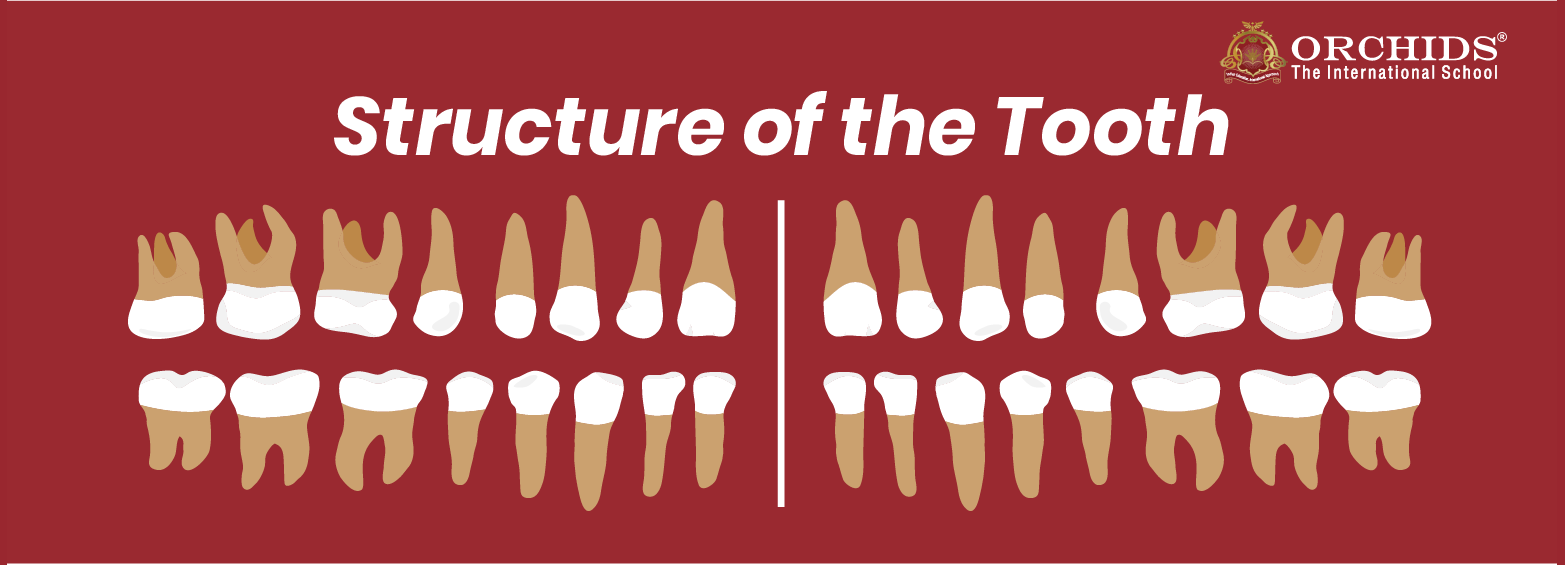
Tooth decay might start as a small problem, but it can quickly turn into a painful one if ignored. Our teeth are strong, but they are not invincible. Every time we eat sugary or sticky foods, harmful bacteria in the mouth get to work, slowly attacking the teeth.
Tooth decay happens when these bacteria form a sticky layer called plaque, which produces acids that wear down the enamel. At first, you may not notice anything, but over time, tiny holes called cavities begin to form. If this damage goes deeper, it can lead to toothache, sensitivity, and even infection.
What makes tooth decay tricky is that it often starts silently but progresses steadily. In this article, we will explore how tooth decay begins, understand its stages, and discover simple habits that can help keep your teeth healthy and cavity-free.
Table of Contents
- What is Tooth Decay and How Does it Occur
- Measures to Prevent Tooth Decay
- Frequently Asked Questions on Tooth Decay

What is Tooth Decay and How Does it Occur?
If we do not clean our teeth and mouth after eating food, harmful bacteria start growing on the teeth. Bacteria form a soft, sticky, pale-yellow covering on the teeth called plaque. If plaque is not removed on time, it leads to tooth decay and gum disease.
Bacteria also feed on the sugar present in the left-over food and produce acids. These acids destroy the tooth enamel and cause tooth decay. Therefore, we must brush our teeth regularly.
.webp "Tooth decay")
Measures to Prevent Tooth Decay
Effective and proper care of the teeth is very important for the well-being of human beings. Proper care of the teeth can be done by following these measures:
-
Brush your teeth twice a day (before breakfast and after dinner).
-
Floss your teeth daily.
-
Rinse your teeth with fluoride mouth wash (fluoride protects teeth from acids) and use a toothpaste containing fluoride.
-
Avoid sugary food items like candies, chocolates, etc.
-
Take a healthy diet essential for your teeth.
-
Visit your dentist regularly.
Besides tooth decay, tooth loss, gum problems, the sensitivity of the teeth and oral cancers are also common diseases of the teeth that can be prevented by following the measures mentioned above.
So far, we have learned that tooth decay is caused by bacteria, plaque, and poor oral hygiene. Although it starts slowly, it can lead to serious problems if ignored. By maintaining good dental habits like brushing, flossing, and limiting sugary foods, we can easily prevent tooth decay and keep our teeth healthy.
Frequently Asked Questions on Tooth Decay
1. How does tooth decay develop over time?
Tooth decay develops when food particles, especially sugars, remain on the teeth. Bacteria feed on these sugars and produce acids that gradually erode the enamel, leading to cavities if not treated early.
2. What are the early and advanced symptoms of tooth decay?
In the early stage, you may notice white spots or mild sensitivity. As decay progresses, symptoms include toothache, visible holes, dark stains, bad breath, and pain while chewing.
3. What are the main causes of tooth decay?
The main causes include poor brushing habits, frequent consumption of sugary or sticky foods, plaque buildup, lack of fluoride, and not visiting the dentist regularly.
4. Can tooth decay heal on its own?
Tooth decay cannot fully heal on its own once it damages the inner layers. However, in the very early stage, enamel can repair itself with proper oral hygiene and fluoride use.
5. What is the most effective way to prevent tooth decay?
The most effective prevention includes brushing twice daily with fluoride toothpaste, flossing regularly, limiting sugary snacks and drinks, drinking plenty of water, and getting routine dental check-ups.
Science isn't just a subject, it's the way of seeing the world. Curious how Orchids The International School teaches it that way? Talk to our admissions team.
Admissions Open for 2026-27
What type of concept pages would you prefer?
CBSE Schools In Popular Cities
- CBSE Schools in Bangalore
- CBSE Schools in Mumbai
- CBSE Schools in Pune
- CBSE Schools in Hyderabad
- CBSE Schools in Chennai
- CBSE Schools in Gurgaon
- CBSE Schools in Kolkata
- CBSE Schools in Indore
- CBSE Schools in Sonipat
- CBSE Schools in Delhi
- CBSE Schools in Rohtak
- CBSE Schools in Bhopal
- CBSE Schools in Aurangabad
- CBSE Schools in Jabalpur
- CBSE Schools in Jaipur
- CBSE Schools in Jodhpur
- CBSE Schools in Nagpur
- CBSE Schools in Ahmednagar
- CBSE School In Tumkur











Orchids The International School is one of India's leading chains of CBSE and ICSE schools, with 110+ schools across the country.