

Causes of Stress: Key Reasons and Their Impact on Life
Causes of stress are something everyone experiences at some point. It’s the body’s natural response to pressure, challenges, or demands. While a little stress can sometimes motivate us to perform better, too much of it can affect our mind and body. From tight deadlines to personal worries, many factors contribute to stress. Understanding what causes it is the first step towards managing it effectively.
In this article, we discuss the main causes of stress, how they affect our health, and what can be done to handle them better.
Table of Contents

What Is Stress?
Stress is how your body reacts when you face something new, challenging, or threatening. It can come from both positive changes, like starting a new job, and negative situations, such as conflicts or health problems.
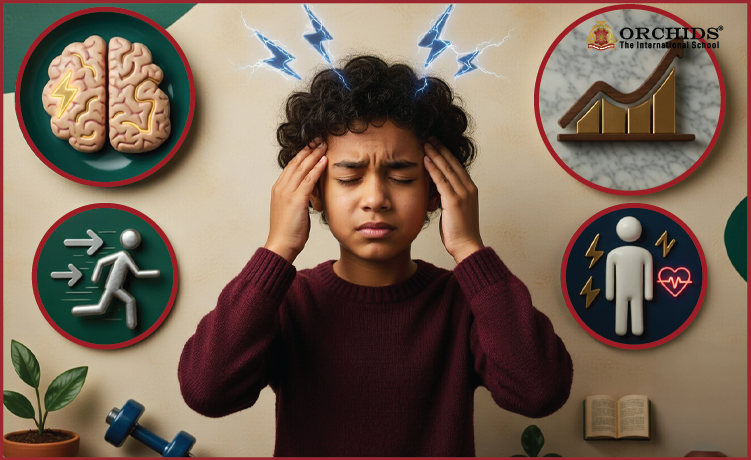
When you feel stressed, your body releases hormones like adrenaline and cortisol.
These prepare you to face the challenge (“fight or flight”), but if stress continues for too long, it can start to harm your health.
Simply put, stress happens when life’s pressures become too heavy to manage. It affects everyone differently depending on their environment, thoughts, and coping ability.
Now that we understand what stress is, let’s look at the major causes of stress that most people face in everyday life.
What Are the Main Causes of Stress?
Stress can arise from many areas, such as work, school, relationships, money, or even daily responsibilities.
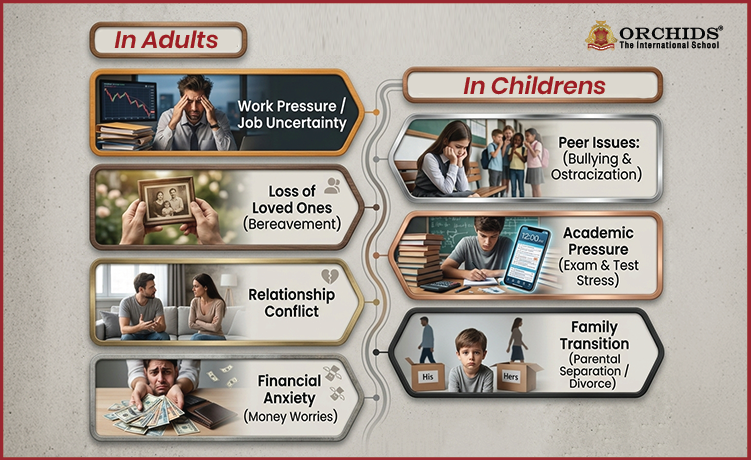
Let’s discuss the common causes of stress that affect both students and adults.
1. One of the most common causes of stress is work pressure. Long hours, tight deadlines, and unrealistic targets can make employees feel constantly under pressure. When there’s no balance between work and rest, it leads to burnout, reduced focus, and physical exhaustion. Over time, this kind of job stress can also affect motivation and personal relationships.
2. For students, academic stress has become part of daily life. Exams, performance expectations, and competition can make studies overwhelming. Managing schoolwork, projects, and extracurricular activities often leads to anxiety and sleepless nights. When pressure increases, students may lose confidence or interest in learning.
3. Money matters are another major cause of stress. Constant financial problems, such as paying bills, managing loans, or saving for the future, can create a feeling of insecurity. Financial stress often affects mood and relationships, as people worry about meeting daily needs and long-term goals.
4. Our emotional well-being depends a lot on the people around us. Relationship conflicts with family, friends, or colleagues can become emotionally draining. Misunderstandings or lack of communication lead to tension, isolation, and mental fatigue. Healthy communication and empathy are key to reducing such stress.
5. When physical health is affected, mental health follows. Health issues like chronic pain, illness, or uncertainty about recovery cause ongoing stress. Patients and caregivers both experience emotional exhaustion while dealing with medical routines, treatments, and lifestyle changes.
6. Even positive transitions can bring stress. Major life changes such as moving to a new place, marriage, changing jobs, or losing a loved one can disturb one’s emotional stability. Adjusting to new routines and environments takes time, and until then, stress levels remain high.
7. Trying to do too much in too little time often leads to poor time management, one of the silent causes of stress. When tasks pile up without proper planning, it creates pressure and frustration. Setting priorities and organising time effectively can help reduce this daily stress.
8. Nowadays, digital overload has become a modern source of stress. Constant notifications, social media comparisons, and long screen hours overload the mind. Comparing one’s life to others online often lowers self-esteem and increases anxiety. Taking digital breaks helps restore balance.
9. Sometimes, the environment we live in also plays a part. Environmental factors like noise, pollution, crowding, or lack of personal space can make people feel irritated and restless. Over time, such surroundings lead to tension and decreased mental well-being.
10. Finally, the absence of emotional support can make stress feel heavier. A lack of support system means having no one to share your worries or feelings with. Emotional isolation prevents healthy coping and can lead to anxiety or depression. Having friends, family, or mentors to talk to makes a big difference.
Once we understand these main causes of stress, the next step is to explore how to manage and reduce it effectively.
So, how does stress really affect life around us?
Let’s understand the effects of stress on health, emotions, and daily living.
It may begin with a few restless nights or a busy week at work, but if left unchecked, stress slowly affects everything from your thoughts to your body’s health.
Interestingly, long-term stress can lead to problems like headaches, anxiety, high blood pressure, and difficulty sleeping. It also weakens the immune system, making the body more prone to illness.
When emotional stress continues for a long time, it can affect relationships, lower concentration, and reduce productivity. Students might find it harder to study, while adults may feel tired or unmotivated at work.
But can stress be controlled? Of course! Let’s find out how.
Just like any major problem, causes of stress management takes awareness, support, and healthy habits to manage stress effectively.
The government and workplaces can help by creating better mental health programmes, encouraging regular breaks, and reducing overwork.
Schools can support students with counselling, balanced schedules, and stress-free learning environments.
Communities can organise wellness sessions, awareness drives, and activities that encourage people to talk about their feelings instead of hiding them.
And what about us?
We can start small by maintaining a routine, getting enough rest, exercising, practising mindfulness, or simply talking to someone we trust.
These small steps can make a big difference in how we handle daily pressure and emotional challenges.
In this article, we discussed the main causes of stress and how it impacts both mental and physical health. When everyone works together and takes mindful actions, causes of stress management becomes easy. After all, taking care of our mind is just as important as taking care of our body because a peaceful mind leads to a healthier, happier life.
Frequently Asked Questions on Causes of Stress
1. Can stress cause shortness of breath?
Yes, stress can trigger rapid breathing and make it feel hard to catch your breath due to the body’s “fight or flight” response.
2. What are the main causes of stress?
Workload, studies, relationships, financial issues, and health worries are common causes of stress.
3. Can stress and anxiety cause loss of appetite?
Yes, both can reduce appetite or cause nausea, making it harder to eat.
4. Can stress affect your sleep quality?
Yes, high stress levels can disrupt sleep patterns, leading to restlessness, insomnia, or frequent waking at night.
5. What happens when stress becomes chronic?
Chronic stress can lead to fatigue, weakened immunity, high blood pressure, and emotional issues like anxiety or depression.
6. Can stress affect your overall well-being?
Yes, prolonged stress can impact mental and physical health, lowering energy, mood, and concentration over time.
Science isn't just a subject, it's the way of seeing the world. Curious how Orchids The International School teaches it that way? Talk to our admissions team.
Admissions Open for 2026-27
What type of concept pages would you prefer?
CBSE Schools In Popular Cities
- CBSE Schools in Bangalore
- CBSE Schools in Mumbai
- CBSE Schools in Pune
- CBSE Schools in Hyderabad
- CBSE Schools in Chennai
- CBSE Schools in Gurgaon
- CBSE Schools in Kolkata
- CBSE Schools in Indore
- CBSE Schools in Sonipat
- CBSE Schools in Delhi
- CBSE Schools in Rohtak
- CBSE Schools in Bhopal
- CBSE Schools in Aurangabad
- CBSE Schools in Jabalpur
- CBSE Schools in Jaipur
- CBSE Schools in Jodhpur
- CBSE Schools in Nagpur
- CBSE Schools in Ahmednagar
- CBSE School In Tumkur











Orchids The International School is one of India's leading chains of CBSE and ICSE schools, with 110+ schools across the country.