

Dengue Symptoms: 13 Major Signs, Prevention Tips and Key Insights
Dengue symptoms are often ignored in the early stages because they look like regular viral fevers. People may feel tired, experience mild fever or body pain, and assume it will pass. And, in many cases, dengue infection can quickly worsen and lead to platelet drop, internal bleeding, or low blood pressure.
This article aims to cover what dengue fever is, how it affects the body, the major dengue fever symptoms, and why early detection is necessary to avoid serious complications.
Table of Contents
- What is Dengue Fever
- 13 Major Signs and Symptoms of Dengue Fever
- Frequently Asked Questions on Dengue Symptoms

What is Dengue Fever?
Dengue symptoms are easy to ignore in the beginning because they often feel like a normal viral fever, with signs such as tiredness, headache, mild fever, or body pain. Many people continue with their daily routine, thinking it will go away on its own.
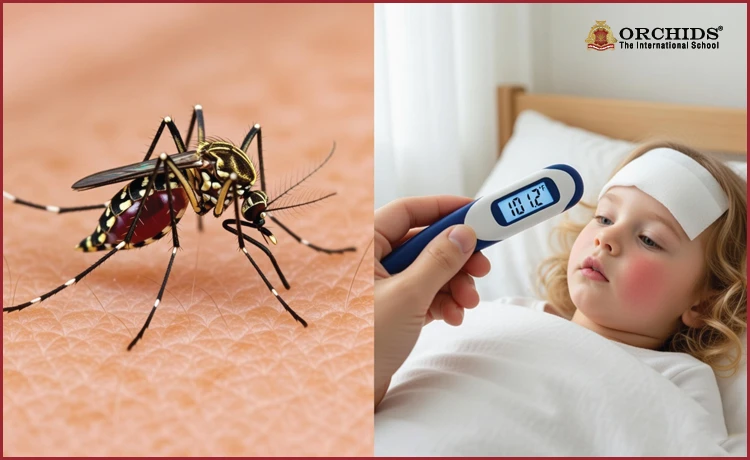
However, in children, older adults, and people with weak immunity, these early symptoms can worsen quickly and turn serious.
The infection may cause a sudden fall in platelet count, bleeding from the nose or gums, extreme weakness, or a dangerous drop in blood pressure, making early medical attention very important for recovery and safety.
13 Major Signs and Symptoms of Dengue Fever
And it’s important to note that certain groups are more vulnerable to dengue because their immune systems cannot fight the virus effectively.
These include young children, older adults, pregnant women, and people with weak immunity or long-term illnesses such as diabetes or heart conditions.
That is why the symptoms of dengue in children may appear milder at first, such as low appetite or tiredness, while adults may experience more intense body pain, high fever, and bleeding tendencies.
On the other hand, the common symptoms of dengue in adults include sudden fever, severe headache, muscle and joint pain, nausea, and a sharp drop in platelet count.
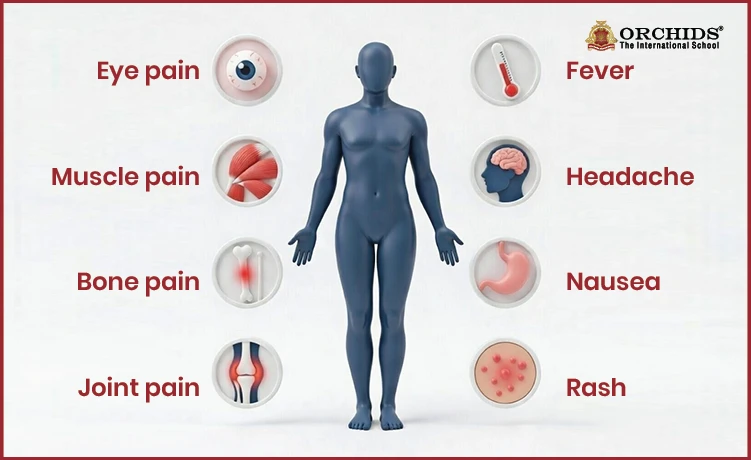
Now, let us discuss the major dengue fever symptoms in detail.
1. To begin with, high fever is one of the earliest and strongest indicators. The temperature rises suddenly and may remain high for several days as the virus spreads in the blood.
2. Along with fever, severe headaches are common. These headaches are usually intense due to pressure in the head and irritation of the nervous system.
3. Moving ahead, pain behind the eyes occurs, especially while moving the eyes. This symptom is unique to dengue and helps in early identification.
4. Fatigue and weakness become obvious as the body’s energy is rapidly drained while fighting the infection, even without physical activity.
5. Muscle and joint pain can become severe, giving dengue its nickname “breakbone fever” because of the intense discomfort it causes.
6. Skin rash may appear on the face, chest, or arms after a few days, often accompanied by itching and redness.
7. Nausea and vomiting are frequently reported as the virus affects the digestive system.
8. Low blood pressure may develop due to fluid loss from blood vessels, which can cause dizziness or fainting.
9. A fall in platelet count increases the risk of internal bleeding and delays healing.
10. Bleeding symptoms may include nosebleeds, bleeding gums, bleeding under the skin, or blood in vomit or stools.
11. Breathing difficulty may occur in severe cases due to plasma leakage into the chest cavity and internal damage.
12. Clammy or cold skin appears when blood circulation becomes poor and body temperature control fails.
13. Finally, restlessness and confusion indicate reduced oxygen supply to the brain and should never be ignored.
Warning Sign:
If the fever does not reduce after 3-4 days and symptoms worsen, immediate medical help is required.
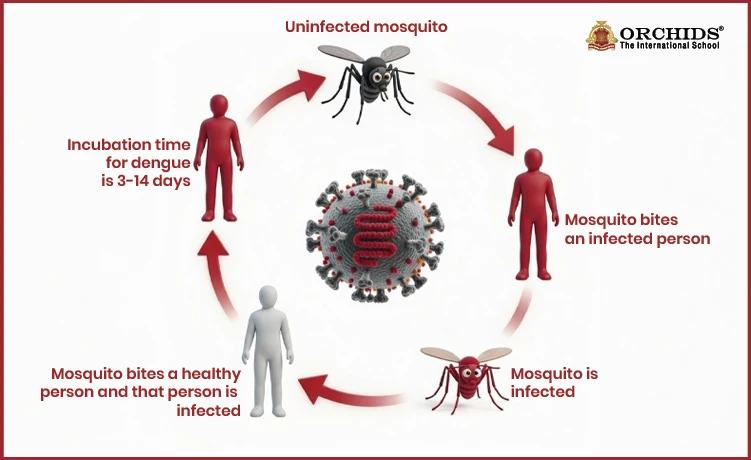
Now that we understand how dengue affects the body, it is important to know how this infection spreads in the first place.
Dengue fever mainly spreads through the following routes:
1. The most common cause is the bite of an infected female Aedes mosquito, which carries the virus directly into the bloodstream.
2. In certain cases, the virus may pass from a pregnant mother to her unborn baby, especially if the infection occurs near delivery.
3. Although uncommon, dengue can also spread through infected blood or organ donations.
Furthermore, recognising the warning signs early can prevent serious complications such as:
-
Platelet collapse
-
Internal bleeding
-
Shock
-
Organ failure
-
Awareness is the strongest prevention.
Dengue often starts like a regular fever, tiredness, mild body pain, or a slight fever, so it’s easy to ignore. But if left unchecked, it can lead to low platelets, internal bleeding, or low blood pressure.
So what can you do if these symptoms show up and how do you protect yourself from dengue?
Let’s find out.
The main focus is managing symptoms and preventing complications. Rest, drink plenty of fluids, and take paracetamol for fever and pain, but avoid ibuprofen or aspirin. In severe cases, doctors may recommend hospitalization, IV fluids, or even a blood transfusion.
Preventing mosquito bites is just as important. Use repellents, wear full-sleeved clothing, sleep under nets, and get rid of standing water where mosquitoes breed. Awareness and quick action make a big difference.
With timely care and simple preventive steps, dengue can be managed safely, and recovery can be faster and smoother.
In this article, we studied dengue symptoms in detail, from the early warning signs to the serious complications that can arise if the infection is ignored. With awareness, early detection, and proper treatment, the risks of severe dengue can be reduced, and recovery becomes much easier and safer.
Frequently Asked Questions on Dengue Symptoms
1. What are the initial symptoms of dengue fever?
The earliest dengue fever symptoms usually include sudden high fever, headache, pain behind the eyes, muscle and joint pain, nausea, and extreme tiredness.
2. How long do dengue symptoms usually last?
Dengue symptoms typically last between 2 to 7 days. However, weakness and body pain can continue for several weeks after recovery.
3. Can dengue occur without fever?
Yes, although it is uncommon. Some mild or early cases may show symptoms like headache, fatigue, or muscle pain without a noticeable fever.
4. Is dengue contagious from person to person?
No, dengue does not spread by contact; it spreads through infected mosquito bites and rarely through blood or organ transfer.
5. How many times can a person get dengue fever?
A person can get dengue up to four times, as there are four different types of the dengue virus. Each infection increases the risk of severe dengue.
6. What are the warning signs of severe dengue?
Danger signs include bleeding, breathing difficulty, cold skin, severe stomach pain, confusion, and low blood pressure.
7. Can dengue spread during pregnancy?
Yes, the dengue virus can pass from a pregnant mother to her baby, which may cause complications if not treated on time.
8. Is cough one of the dengue symptoms?
A cough is uncommon in dengue and usually mild; a persistent cough may suggest another infection and needs a medical check-up.
9. What are the main symptoms of dengue fever?
Common symptoms include high fever, headache, eye pain, body aches, vomiting, rash, low blood pressure, and low platelets, with bleeding in severe cases.
Science isn't just a subject, it's the way of seeing the world. Curious how Orchids The International School teaches it that way? Talk to our admissions team.
Admissions Open for 2026-27
What type of concept pages would you prefer?
CBSE Schools In Popular Cities
- CBSE Schools in Bangalore
- CBSE Schools in Mumbai
- CBSE Schools in Pune
- CBSE Schools in Hyderabad
- CBSE Schools in Chennai
- CBSE Schools in Gurgaon
- CBSE Schools in Kolkata
- CBSE Schools in Indore
- CBSE Schools in Sonipat
- CBSE Schools in Delhi
- CBSE Schools in Rohtak
- CBSE Schools in Bhopal
- CBSE Schools in Aurangabad
- CBSE Schools in Jabalpur
- CBSE Schools in Jaipur
- CBSE Schools in Jodhpur
- CBSE Schools in Nagpur
- CBSE Schools in Ahmednagar
- CBSE School In Tumkur











Orchids The International School is one of India's leading chains of CBSE and ICSE schools, with 110+ schools across the country.