

Magnet: How It Works, Its Types, Magnetic Field, and Real-Life Uses
A Magnet generates a magnetic field around it. Have you ever wondered how a tiny fridge sticker manages to cling to a metal door without falling? Magnet is the secret behind this everyday magic! From compass needles that point north to giant cranes lifting cars in junkyards, magnets quietly power many things around us. Now, you might be thinking, what makes a magnet so special? How does it pull objects without even touching them? This article is a perfect guide to understanding what is magnet, what is magnetic field is in the simplest way.
Table of Contents
- What is Magnet?
- Important Properties of Magnet
- Different types of Magnet
- Characteristics of Magnet
- Applications of Magnets
- Frequently Asked Questions on Magnet

What is Magnet?
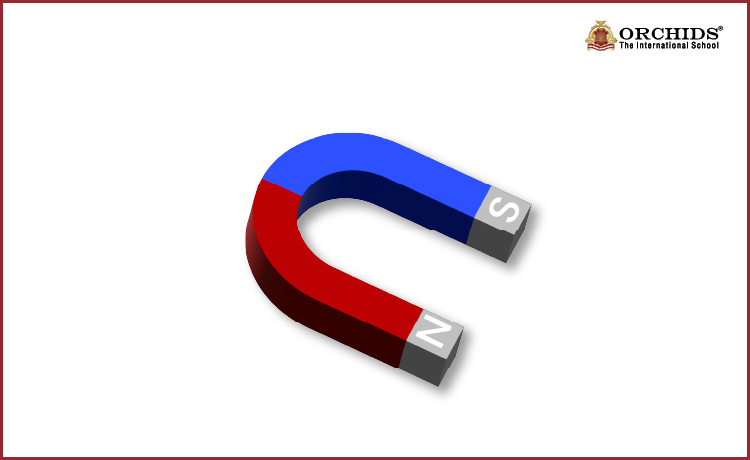
A magnet is a material that produces a magnetic field. A magnet attracts objects like iron and shows two poles, north and south, that behave in unique ways. Unlike poles pull toward each other, while like poles push away.
In simple words,
|
“A magnet is an object that creates a magnetic field and can attract opposite poles while pushing away similar poles.” |
Now, an important question arises: what is magnetic field?
A magnetic field is an invisible area of force surrounding a magnet or a moving electric charge, where magnetic forces are exerted on other magnets or magnetic materials, and electric charges are affected.
When you cut a magnet in half, something interesting happens: each piece still becomes a complete magnet with its own north and south poles.
But why does this happen?
A magnet is made up of millions of tiny magnetic particles called domains. Each domain acts like a mini-magnet with its own north and south pole.
So even if you break the magnet:
- You do not get a separate north or south pole piece
- Instead, both new pieces rearrange their domains and form complete magnets again
A magnet is a physical object that attracts or repels any other similar kind of object in its surroundings.
Important Properties of Magnet
Let’s now understand what makes magnets behave the way they do.
- Magnets can attract materials like iron, and this pull is strongest at their ends, which are called poles.
- Poles always come in pairs, so no matter how many times a magnet is cut, each piece will still have both a north and a south pole.
- A magnet shows a directive property, meaning a freely suspended magnet always turns to face the north-south direction, which is why compasses work.
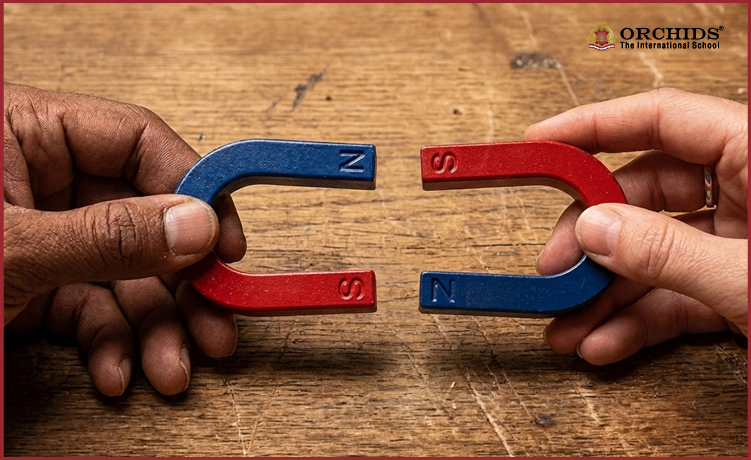
- Like poles repel each other, while unlike poles attract, so north-north or south-south push apart, and north-south pull together.
- The magnetic force depends on distance; the closer two magnets are, the stronger the force between them becomes.
|
Fun Activity Take two magnets and gently move them toward each other. What will happen?
Feel that little push or pull? That’s magnetism showing its magic! |
Types of Magnets
Let’s move ahead to the different kinds of magnets we find around us in our daily lives.
Permanent Magnets
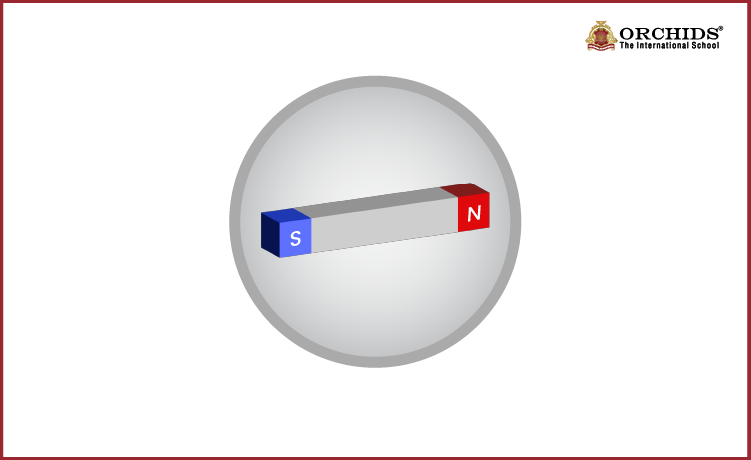
A permanent magnet is a material that stays magnetised for a long time. Once it is magnetised, it continues to attract or repel magnetic materials even after the external magnetising force is removed. That is the reason permanent magnets are widely used in electric motors, generators, speakers, and even storage devices.
But here, one simple question arises: can permanent magnets ever lose their magnetism?
Yes, they can! Permanent magnets can lose their magnetic strength in a few simple ways:
- Exposed to very high temperatures, which disturb the alignment of their magnetic particles.
- Hammered, because the vibrations loosen the arrangement of their atoms.
- Rubbed with another magnet, which slowly reduces their magnetic strength.
Now that we know how permanent magnets can lose their strength, let’s discuss the different types of permanent magnets we use in our daily lives.
There are four common types of permanent magnets:
- Ceramic or Ferrite
- Alnico
- Samarium Cobalt (SmCo)
- Neodymium Iron Boron (NIB)
Electromagnets
An electromagnet is a special type of magnet made using a metal core, usually iron, wrapped with a coil of wire. When electric current flows through the wire, it creates a magnetic field, turning the metal core into a magnet.
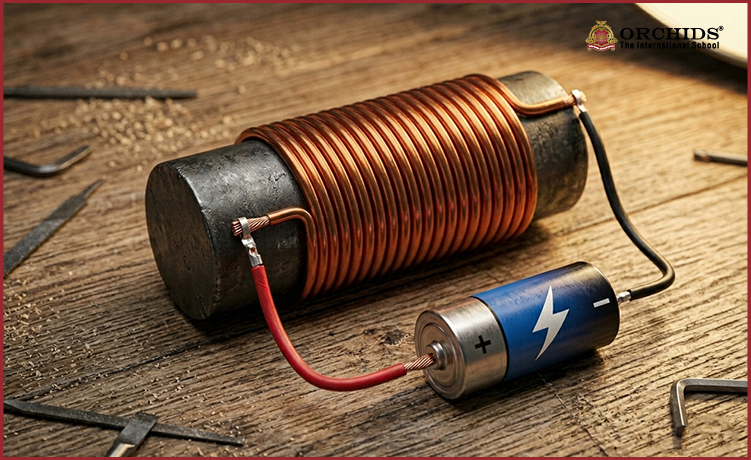
The best part? You can control the strength of an electromagnet simply by increasing or decreasing the electric current.
Electromagnets are used in electric bells, speakers, and even in cranes that lift heavy metal scraps.
Temporary Magnet
A temporary magnet is a material that becomes magnetic only when it is placed in a magnetic field. Common objects like iron nails and paper clips can act as magnets, but only for a short time.
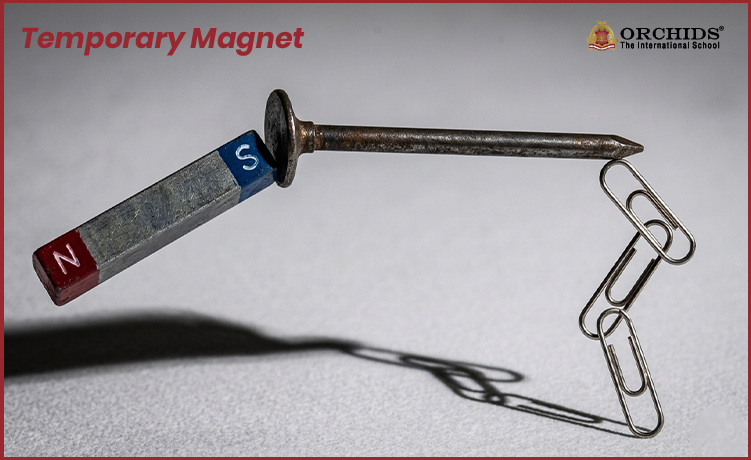
As soon as the external magnetic field is removed, these materials lose their magnetism and return to normal.
Now, let’s discuss the different kinds of permanent magnets we use in real life.
Types of Magnets Based on Their Shape
- A bar magnet is a rectangular or cylindrical permanent magnet with two poles that naturally aligns itself with Earth’s magnetic field.
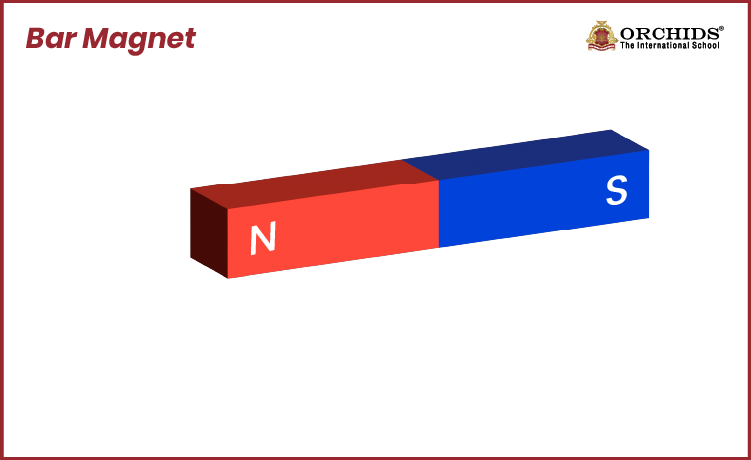
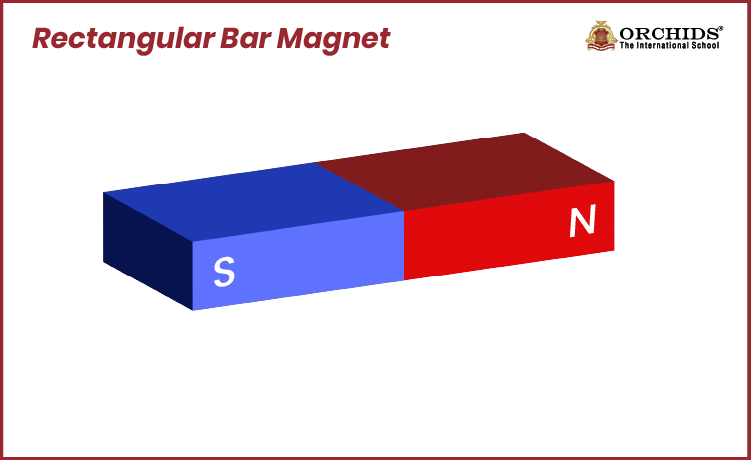
- A rectangular bar magnet has strong magnetic power and is commonly used in manufacturing and engineering.
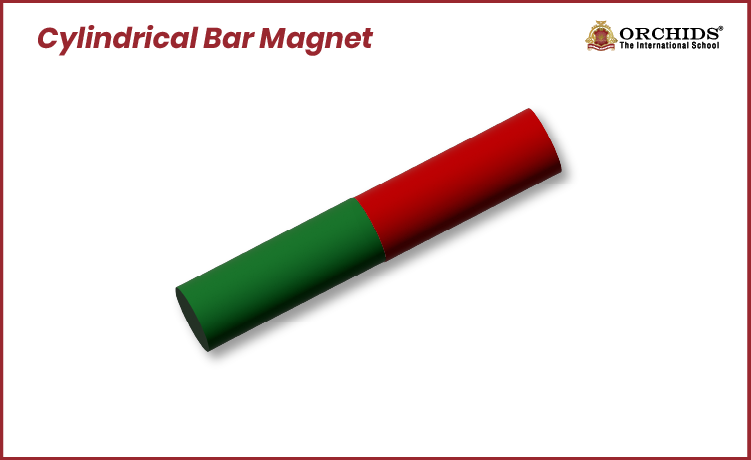
- A cylindrical or rod magnet has higher magnetism due to its thickness and is widely used in laboratories and educational setups.
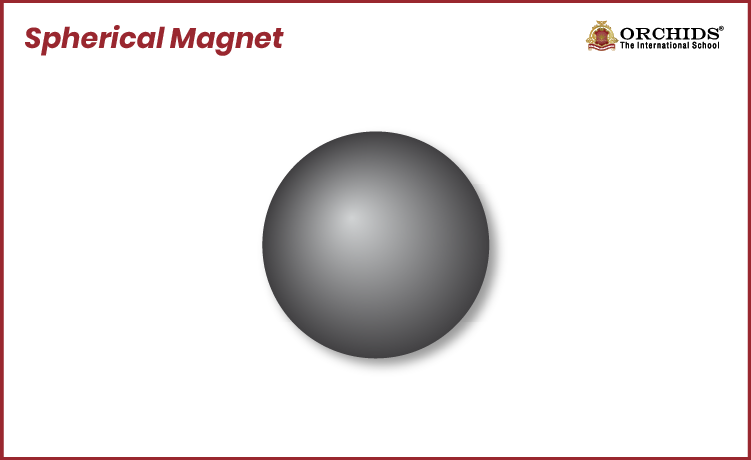
- A spherical or ball magnet has a globe-like polarity pattern and is used in toys, electronics, and creative applications.
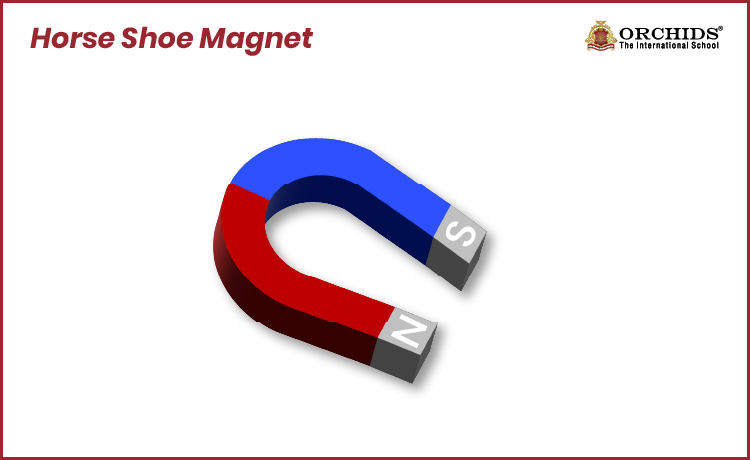
- A horseshoe magnet has a U-shape that brings its poles closer, giving it a very strong magnetic field ideal for lifting heavy metals.
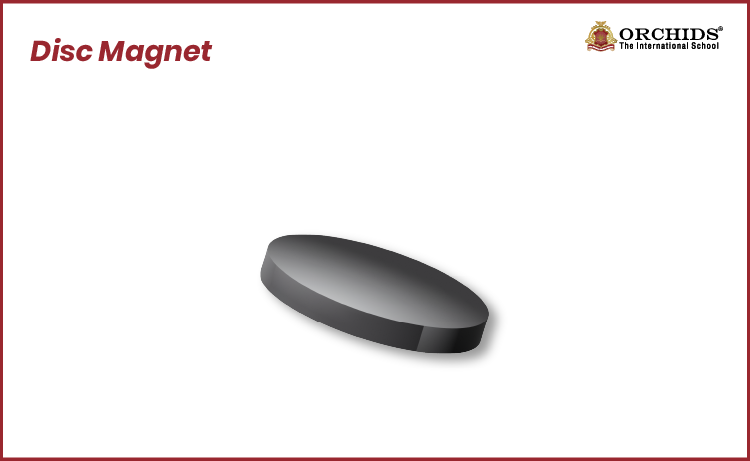
- A disc magnet is a thin, circular magnet with flat surfaces, commonly used for holding, fastening, and industrial applications.
Characteristics of a Magnet
Magnets have some unique properties that make them special and useful in everyday life. Understanding these characteristics helps us know how magnets behave and interact with other objects. Let’s break down the main characteristics of a magnet in a simple way:
- Attractive Property: A strong attraction exists at the poles.
- Directive Property: A magnet always sets itself in the north-south direction when suspended freely.
- Law of Magnetic Poles: Like poles repel, unlike poles attract.
- Pair Property: Every piece of a magnet will always have both poles.
- Test of Magnetisation: A rod is magnetised if it shows attraction or repulsion with a magnet.
Applications of Magnets
Magnets play an important role in our daily lives and technology. Let's discuss their common applications:
- Used in magnetic needles and compasses of mariners.
- Permanent magnets are used in generators, motors, and accelerators
- Electromagnets are used in speakers, electric bells, and cranes
- Help in separating iron filings from mixtures
So far, we have learnt that a magnet is a material that produces a magnetic field, has poles, attracts certain metals, and is used widely in machines and daily tools. We also explored its properties, types, characteristics, and uses in an easy, interactive way.
Frequently Asked Questions on Magnet
1. What is magnet?
A magnet is a material that creates a magnetic field and attracts metals like iron, nickel, and cobalt. It has two poles- North and South, that show attraction and repulsion.
2. What are the 5 important properties of a magnet?
The main properties of a magnet are attraction, repulsion, and the directive property. A magnet always aligns in the north–south direction when freely suspended.
3. Why do magnets have two poles?
Magnets always have a North and South pole because the tiny magnetic domains inside them are arranged in pairs. Even if you cut a magnet, each piece will still have both poles.
4. What are the different types of magnets?
There are three types of magnets: permanent magnets, temporary magnets, and electromagnets. Each type behaves differently based on how long they stay magnetised.
5. How does an electromagnet work?
An electromagnet works when an electric current flows through a coil of wire wrapped around an iron core. The current creates a magnetic field, turning the iron core into a magnet.
6. What are the uses of magnets in daily life?
Magnets are used in electric motors, generators, speakers, compasses, toys, door locks, and cranes. They help operate many devices we use every day.
7. How can a permanent magnet be demagnetised?
A permanent magnet can lose its magnetism when heated, hammered, or rubbed with another magnet. These actions disturb the alignment of its magnetic particles.
8. What is magnetic field?
A magnetic field is an imaginary area of force surrounding a magnet or a moving electric charge, where magnetic forces are exerted on other magnets or magnetic materials, and electric charges are affected.
Science isn't just a subject, it's the way of seeing the world. Curious how Orchids The International School teaches it that way? Talk to our admissions team.
Admissions Open for 2026-27
What type of concept pages would you prefer?
CBSE Schools In Popular Cities
- CBSE Schools in Bangalore
- CBSE Schools in Mumbai
- CBSE Schools in Pune
- CBSE Schools in Hyderabad
- CBSE Schools in Chennai
- CBSE Schools in Gurgaon
- CBSE Schools in Kolkata
- CBSE Schools in Indore
- CBSE Schools in Sonipat
- CBSE Schools in Delhi
- CBSE Schools in Rohtak
- CBSE Schools in Bhopal
- CBSE Schools in Aurangabad
- CBSE Schools in Jabalpur
- CBSE Schools in Jaipur
- CBSE Schools in Jodhpur
- CBSE Schools in Nagpur
- CBSE Schools in Ahmednagar
- CBSE School In Tumkur











Orchids The International School is one of India's leading chains of CBSE and ICSE schools, with 130+ schools across the country.