

Stomach: The Shocking Truth About How Your Food Is Digested
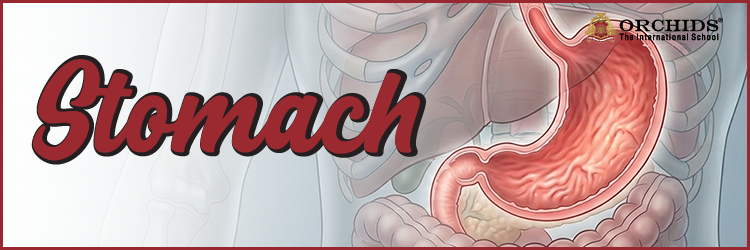
The stomach is a key organ in the digestive system that helps process the food we eat. After food passes through the mouth and oesophagus, it reaches the stomach, where the real digestion begins.
Here, the stomach uses strong acids and enzymes to break down food into a soft, semi-liquid substance called chyme. At the same time, its muscular walls keep churning the food, making digestion more effective and preparing it for the next stage.
By breaking down food and helping the body absorb nutrients, the stomach plays an essential role in keeping us healthy and energized. In this article, we will explore how the stomach works, understand its structure, and learn why it is so important in digestion.
Table of Contents

Structure of the Stomach
The stomach is a J-shaped muscular, bag-like organ that connects oesophagus to the stomach. It is widest part of the alimentary canal and is present on the left side of the abdomen. It has two openings, one which connects the oesophagus and the one below which connects the small intestine.
Its strong muscular walls help in churning and mixing food with digestive juices. This structure allows the stomach to store food for some time and gradually release it into the small intestine.
Digestion Process in the Stomach
The stomach receives partially digested food coming from the oesophagus. This food stays in the stomach for around four hours. The inner wall secretes mucus, digestive juices, and hydrochloric acid.
- Mucus is a thick fluid that protects the lining of the stomach from acid.
- Digestive juices contain an enzyme pepsin, which breaks down proteins present in the food into a simpler form.
- Hydrochloric acid kills the bacteria present in the swallowed food and promotes the activity of digestive enzymes.
- Peristalsis is shown by the muscular walls of the stomach, aiding the mixing of digestive juices with the food. Food is converted into a semi-liquid form called chyme that is passed to the small intestine.
Till now, we have learned that the stomach is a vital organ that breaks down food using acids, enzymes, and muscular movements. It converts food into chyme and prepares it for further digestion. By functioning properly, the stomach plays a key role in maintaining overall health and supporting the digestive process.
Frequently Asked Questions on Stomach
1. What role does the stomach play in digestion?
The stomach stores food and breaks it down using strong acids and digestive enzymes, turning it into a semi-liquid form for further digestion.
2. How does the stomach digest food?
The stomach churns food with the help of muscular movements and mixes it with gastric juices, which help break down proteins and kill harmful bacteria.
3. What is chyme, and why is it important?
Chyme is the semi-liquid substance formed in the stomach after digestion. It is important because it allows nutrients to be easily absorbed in the small intestine.
4. Why does the stomach not digest itself?
The stomach is protected by a thick mucus lining that prevents its strong acids from damaging its own walls.
5. What are common problems related to the stomach?
Common stomach problems include acidity, indigestion, ulcers, and infections, often caused by poor diet, stress, or unhealthy eating habits.
Science isn't just a subject, it's the way of seeing the world. Curious how Orchids The International School teaches it that way? Talk to our admissions team.
Admissions Open for 2026-27
What type of concept pages would you prefer?
CBSE Schools In Popular Cities
- CBSE Schools in Bangalore
- CBSE Schools in Mumbai
- CBSE Schools in Pune
- CBSE Schools in Hyderabad
- CBSE Schools in Chennai
- CBSE Schools in Gurgaon
- CBSE Schools in Kolkata
- CBSE Schools in Indore
- CBSE Schools in Sonipat
- CBSE Schools in Delhi
- CBSE Schools in Rohtak
- CBSE Schools in Bhopal
- CBSE Schools in Aurangabad
- CBSE Schools in Jabalpur
- CBSE Schools in Jaipur
- CBSE Schools in Jodhpur
- CBSE Schools in Nagpur
- CBSE Schools in Ahmednagar
- CBSE School In Tumkur











Orchids The International School is one of India's leading chains of CBSE and ICSE schools, with 110+ schools across the country.