

Aspirin Uses: A Simple Guide to Its Benefits and Applications
Aspirin, also known as acetylsalicylic acid, is one of the most widely used medicines in the world for pain relief, fever reduction, and inflammation control. Interestingly, beyond its everyday aspirin uses, aspirin plays a vital role in preventing heart attacks, strokes, and blood clots when used under medical guidance.
This article aims to give students a clear understanding of the chemistry of aspirin uses from its structure and mechanism of action to its therapeutic applications and safety precautions.
Table of Contents
- What is Aspirin
- Therapeutic Uses of Aspirin
- Side Effects of Aspirin
- Precautions of Aspirin
- Frequently Asked Questions on Aspirin Uses

What is Aspirin?
Aspirin is a non-steroidal anti-inflammatory drug (NSAID) used to relieve pain, reduce fever, and control inflammation. The fact that it is also recognised as the prototype analgesic types because it set the standard for many drugs that followed in the same category.
It is noticeable that every home contains this well known medicine if suffering from minor discomfort, Interestingly, Aspirin is commonly prescribed for conditions like headache, toothache, muscle pain, arthritis, and menstrual cramps, and is also essential in cardiovascular disease prevention.
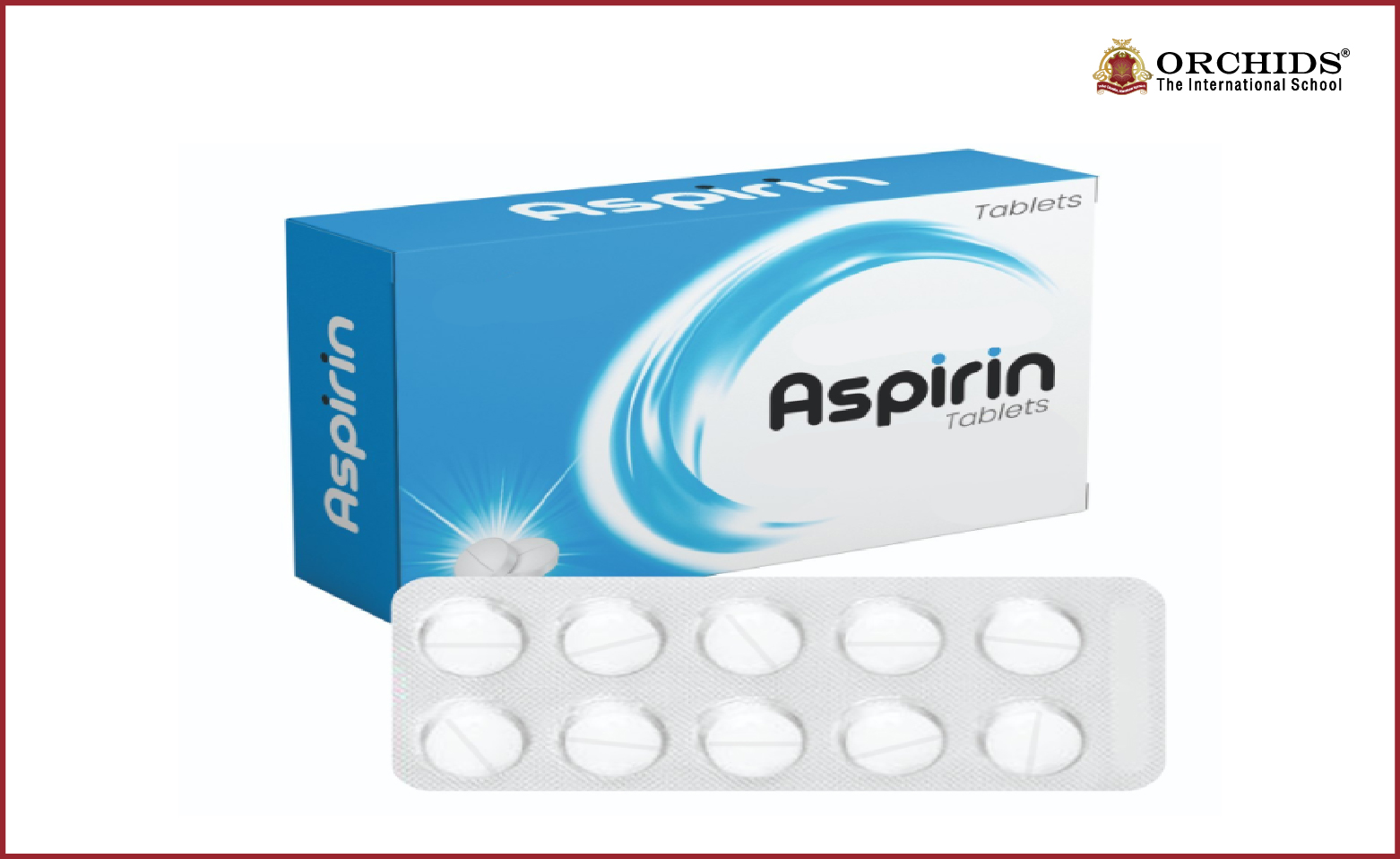
Chemically, it is known as acetylsalicylic acid (ASA), as discussed, and it works by blocking the synthesis of certain chemicals called prostaglandins, which are responsible for pain and inflammation in the body.
When it comes to its structure of Aspirin Aspirin’s chemical name is 2-acetoxybenzoic acid.
Its molecular formula is C₉H₈O₄, and its molar mass is approximately 180.16 g/mol.
Structurally, it consists of:
- A benzene ring (aromatic base)
- A carboxylic acid group (-COOH)
- An ester group (-OCOCH₃) attached to the aromatic ring
Below is a representation of the Aspirin Structure:
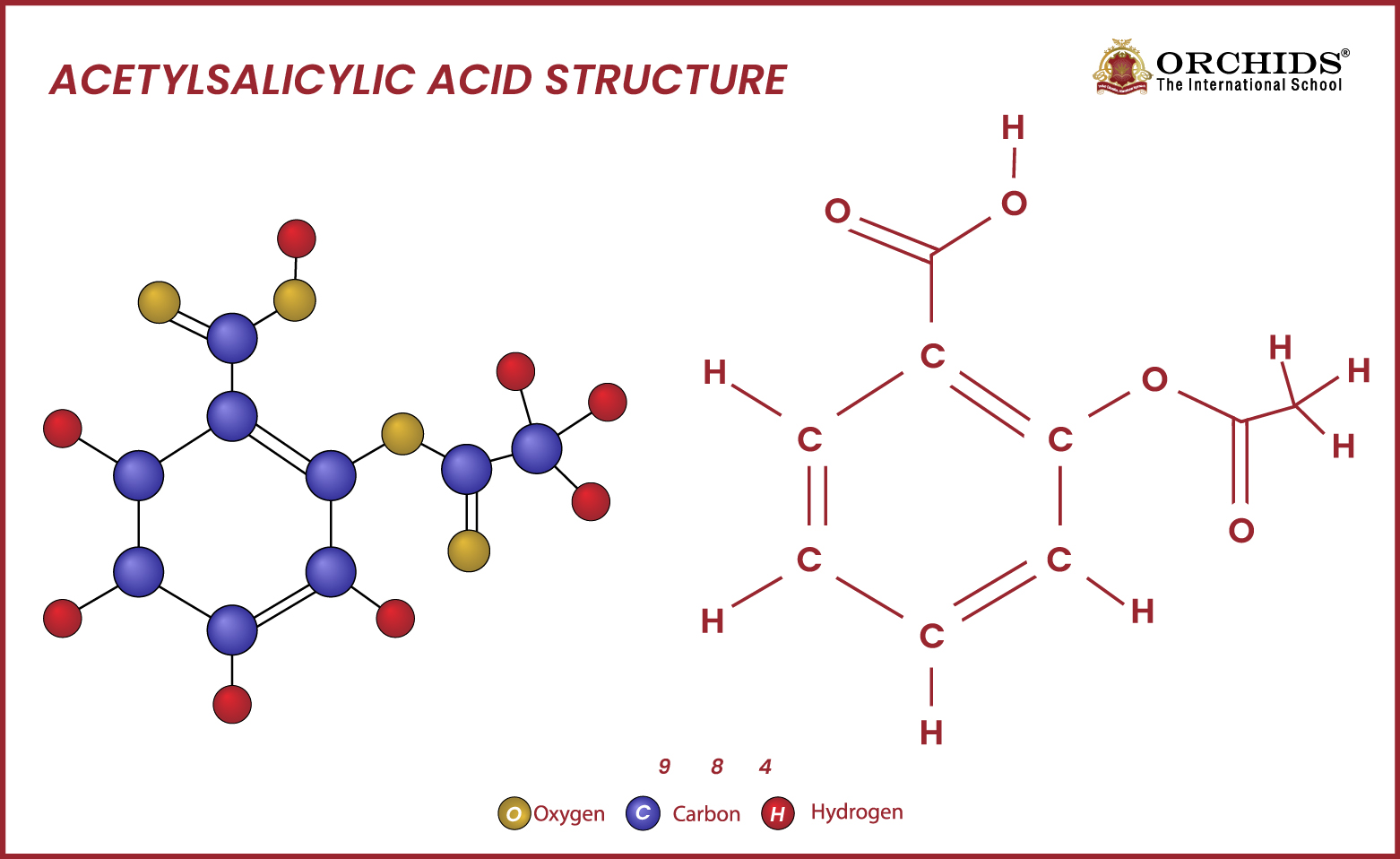
These components together allow aspirin to act both as an acid and as an ester, making it highly reactive and effective pharmacologically.
The next question is, what is the use of aspirin? Let's have a deeper look at Aspirin's uses in our daily lives.
Therapeutic Uses of Aspirin
Aspirin has a wide range of medical applications. Here are its key uses:
1. The major contribution of aspirin use is in Pain Relief (Analgesic)as it helps relieve mild to moderate pain, such as headaches, toothaches, and muscle pain, by blocking pain-causing chemicals called prostaglandins.
2. Aspirin helps in Fever Reduction (Antipyretic)as it lowers body temperature in fever by acting on the brain’s temperature-regulating centre.
3. It has an Anti-inflammatory Effect as Aspirin reduces swelling and inflammation in conditions like arthritis and joint pain.
4. In Cardiovascular Protection,in small doses, aspirin prevents blood clots and reduces the risk of heart attacks and strokes by stopping platelets from sticking together.
5. Recent studies suggest that long-term aspirin use may lower the risk of certain cancers, such as colorectal cancer, though medical advice is essential before use for this purpose.
Side Effects of Aspirin
While aspirin is a very useful medicine, it should always be taken carefully and in the right dose. Like all drugs, it can cause some side effects, especially when used for a long time or in high doses.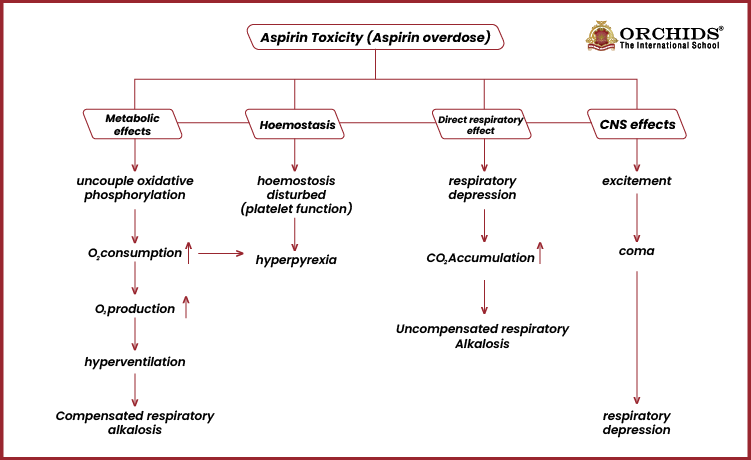
- Aspirin can irritate the lining of the stomach, leading to pain, nausea, or sometimes ulcers and bleeding.
- Some people may be allergic to aspirin, showing symptoms like rashes, breathing difficulty, or swelling.
- Since aspirin prevents blood clotting, it can increase the risk of bleeding, especially in people with bleeding disorders or those taking blood thinners.
- Taking high doses of aspirin for a long time may cause ringing or buzzing sounds in the ears.
- Aspirin should not be given to children with viral infections like the flu or chickenpox, as it can lead to a rare but serious condition called Reye’s syndrome.
NOTE: Children under 16 should not take aspirin unless prescribed for specific conditions like Kawasaki disease or post-heart surgery.
Precautions of Aspirin Uses
Avoid or use aspirin with caution in the following cases:
- Stomach ulcers or gastrointestinal bleeding
- Liver or kidney disease
- Bleeding disorders (e.g., haemophilia)
- Asthma or nasal polyps
- Pregnancy (especially during the last trimester)
Alcohol consumption should be limited, as it increases the risk of stomach bleeding.
Till now, we have learned how Aspirin remains a cornerstone in modern medicine, from relieving pain and fever to saving lives through cardiovascular protection. Its discovery revolutionised pharmacology and continues to be a critical learning topic for students in medicine, pharmacy, and life sciences.
Frequently Asked Questions on Aspirin Uses
1. What are the important facts about aspirin uses?
Aspirin is one of the oldest and most widely used medicines for pain relief, fever, and inflammation. It also helps prevent heart attacks and strokes when used under medical advice.
2. What are the main uses of aspirin?
Aspirin tablets are used to relieve pain, lower fever, reduce inflammation, and prevent blood clots. It’s especially important in protecting against heart disease and stroke.
3. What is the main effect of aspirin?
The main effect of aspirin is to block prostaglandin production, reducing pain, inflammation, and fever while also stopping platelets from forming clots.
4. What are the precautions for aspirin?
Always take aspirin after food and under a doctor’s guidance. Avoid it if you have ulcers, bleeding disorders, or are allergic to NSAIDs.
5. What are the side effects of aspirin uses?
Common side effects include stomach irritation, nausea, and mild bleeding. High doses or long-term use can cause ulcers or gastrointestinal bleeding.
6. What is the new warning about aspirin?
Recent studies warn that daily aspirin use isn’t suitable for everyone. It may increase bleeding risk, especially in older adults without heart conditions.
7. What are the aspirin uses?
Aspirin is mainly used to ease headaches, muscle pain, and fever, and to prevent heart attacks or strokes in at-risk patients.
8. Mention Important Aspirin Uses
Aspirin has multiple uses, from relieving everyday pain to protecting heart health and reducing inflammation in chronic conditions like arthritis.
Science isn't just a subject, it's the way of seeing the world. Curious how Orchids The International School teaches it that way? Talk to our admissions team.
Admissions Open for 2026-27
What type of concept pages would you prefer?
CBSE Schools In Popular Cities
- CBSE Schools in Bangalore
- CBSE Schools in Mumbai
- CBSE Schools in Pune
- CBSE Schools in Hyderabad
- CBSE Schools in Chennai
- CBSE Schools in Gurgaon
- CBSE Schools in Kolkata
- CBSE Schools in Indore
- CBSE Schools in Sonipat
- CBSE Schools in Delhi
- CBSE Schools in Rohtak
- CBSE Schools in Bhopal
- CBSE Schools in Aurangabad
- CBSE Schools in Jabalpur
- CBSE Schools in Jaipur
- CBSE Schools in Jodhpur
- CBSE Schools in Nagpur
- CBSE Schools in Ahmednagar
- CBSE School In Tumkur











Orchids The International School is one of India's leading chains of CBSE and ICSE schools, with 130+ schools across the country.