

Alloy Meaning
Alloys are combinations of metals or metals with non-metals created to improve strength, durability, or resistance. They play a vital role in everyday materials, from kitchen tools to aircraft parts.
This page aims to clearly explain the major ways alloys are grouped and their iron content, making it easier for students and enthusiasts to grasp the concept.
Table of Contents
- About Alloy
- Constituents of Alloys
- Properties of Alloys
- Common Alloy Examples
- Categories of Alloys
- Alloys are Important in Our Daily Lives
- Frequently Asked Questions on Alloy Meaning

About Alloy
An alloy is made of two or more elements, at least one of which is a metal. Alloys are produced to enhance the properties of pure metals, including their strength, corrosion resistance or ease of work. New materials made by combining elements provide better properties for many applications.
Alloys are everywhere, from stainless steel kitchen sinks to aluminium airplane parts. Pure metals usually have one or more properties that restrict their utility; things like softness, brittleness, or the tendency to react with the environment. Each metal can form alloys with varying degrees of combinations of metallic and non-metallic elements. Alloys typically possess "better" properties for intended purposes in practice.
Constituents of Alloys
Alloys consist of:
- Base Metal: The main component in the largest amount, giving the alloy its core structure and identity.
- Alloying Elements: Additional metals or non-metals added to boost specific properties.
Depending on the mix, the alloy might become:
- Tougher
- More flexible
- Resistant to rust
- Better at withstanding heat
- More conductive
Examples:
- Bronze: Copper (base) + Tin
- Nichrome: Nickel (base) + Chromium (improves heat/electric resistance)
Properties of Alloys
Alloys are made to improve upon the weaknesses of pure metals. Here are some standout properties:
- Greater Strength: Alloys like steel are much stronger than pure iron.
- Rust and Corrosion Resistance: Stainless steel resists rust far better than plain iron.
- Heat and Electrical Resistance: Nichrome handles both heat and electricity, making it ideal for heating coils.
- Improved Flexibility (Ductility and Malleability);Alloys like brass can be shaped or drawn into wires without breaking.
- Lower Melting Points: Solder, made of tin and lead, melts easily perfect for joining circuits.
Common Alloy Examples
Here are some popular alloys and what makes them special:
-
Babbitt Metal
Babbitt metal, which is commonly found in plain bearings, is specifically formulated to create a smooth, low-friction surface. American inventor Isaac Babbitt invented the alloy in 1839.
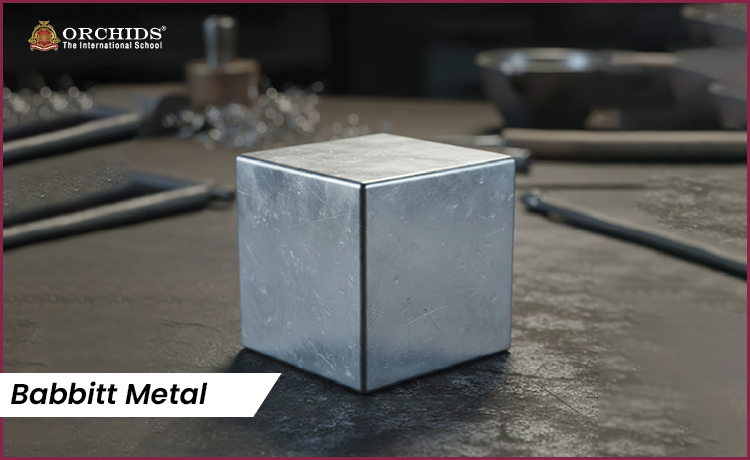
The alloy is renowned for minimising wear and tear in machinery. The composition of the alloy usually consists of:
- Tin (Sn): 90%
- Antimony (Sb): 7%
- Copper (Cu): 3%
Due to its superb anti-friction properties, Babbitt metal is still a highly favored selection in engineering for moving parts that are designed to be strong and efficient.
-
Bell Metal
Bell metal is typically used to cast bells and other musical instruments, as the name clearly indicates. It is a high-tin bronze with a unique sound, producing the distinct, resonant ringing in bells.
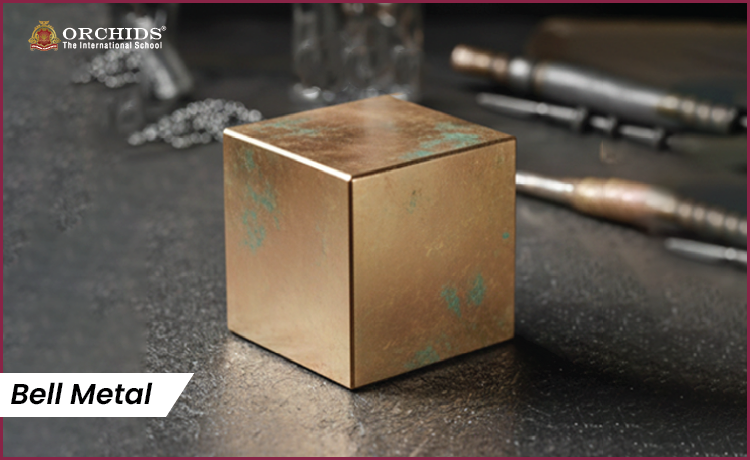
The typical composition of bell metal is:
- Copper (Cu): 78%
- Tin (Sn): 22%
Bell metal is utilised in traditional cookware, ornaments in the form of decorative objects (because it looks and sounds good), and often in religious objects.
-
Steel
Steel is one of the most used alloys in the world. Mainly made up of iron and carbon, steel provides strength and value.
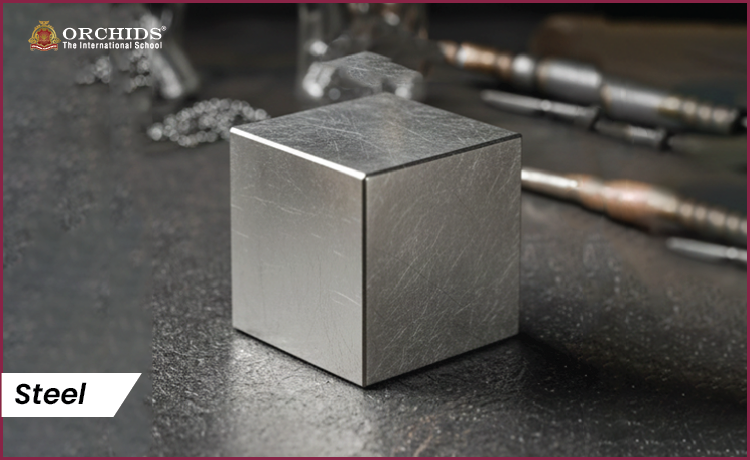
Depending on the form of steel, the specific composition will change slightly, but will typically contain:
- Iron (Fe): 85–88%
- Chromium (Cr): no smaller than 10.5% (in stainless steel)
- Carbon (C): no larger than 1.2%
Other elements such as manganese, nickel, and molybdenum can be added to increase aspects such as rust resistance and hardness. Steel is the foundation of modern construction, utilised in buildings, bridges, automobiles, and household goods.
-
Bronze
Bronze is a historical alloy based primarily on copper and tin because of its corrosion resistance and strength.
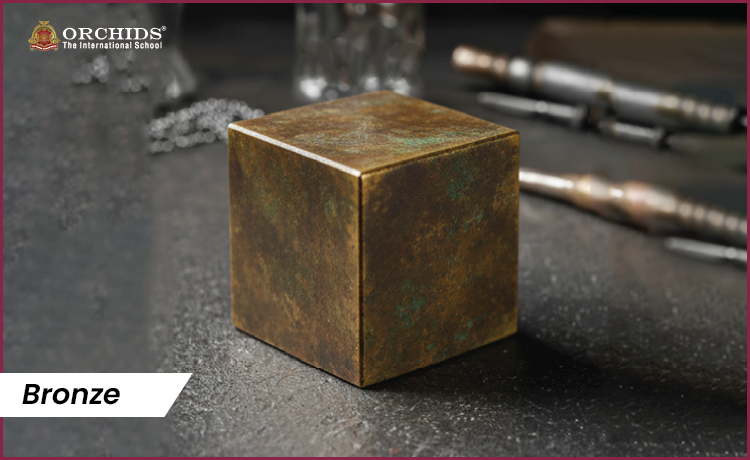
Its common composition is:
- Copper (Cu): approximately 75%
- Tin (Sn): up to 12%
- Other elements, such as aluminium, silicon, or nickel
Traditionally, bronze has been used for coins, medals, and tools. Bronze is stronger than pure copper and is easier to mould, making it ideal for machines, ornaments, and electrical fittings.
-
Nichrome
Nichrome is a heat-resistant alloy primarily made up of nickel and chromium. It's most commonly used in heat-producing appliances.
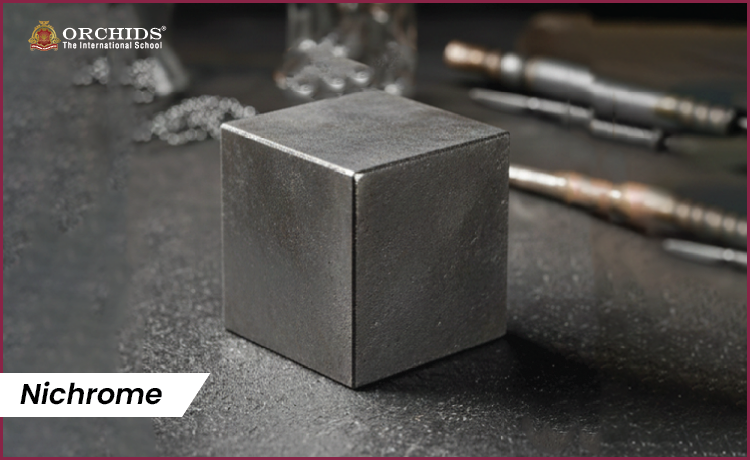
A typical composition includes:
- Nickel (Ni): 80–85%
- Chromium (Cr): 15–20
- Iron and other trace elements
Nichrome wire is applied in space heaters, hair dryers, toasters, and industrial furnaces. Its resistance to high temperatures and high melting point also make it a good choice for certain laboratory equipment and dental procedures.
Categories of Alloys
Alloys are classified in a variety of ways depending on different criteria:
➜ By Principal Metal
This classification will depend on the principal metal in an alloy, which includes:
- Copper Alloys, where copper is used as the main element. A good example is bronze, which is (Copper + Tin).
- Iron Alloys, such as steel, where iron is the predominant element.
- Lead Alloys are used for applications where density and malleability are important.
➜ By Alloy Phases
In this case, alloys are classified according to their internal structure:
- Single-phase Alloys have the same physical and chemical structure throughout.
Although it covers the vast range of "brass" (70% copper + 30% zinc) as a widely accepted example.
- Double-phase Alloys contain two or more distinct structures or phases. Muntz metal (60% copper + 40% zinc) is a classic example, which is marketed as "yellow brass".
➜ By Iron (Fe) or Non-Iron (Fe) Metals
An alloy classification based on the following:
- Ferrous Alloys: those containing iron as one of the major components. A common Ferrous alloy is stainless steel (iron + chromium).
- Non-Ferrous Alloys:do not contain iron. A common example of non-ferrous alloys is solder (lead + tin) ,which is widely used in electronics and plumbing.
Alloys are Important in Our Daily Lives
Very few materials are as important to everyday existence as alloys.Some real-world examples include:
- Aeroplanes made from strong but light alloys of aluminium
- Electrical wires made with flexible copper alloys
- Car motors are made from durable, heat-resistant metals
Without alloys, many modern technologies would not exist in the same form.
Till now, we have learned that Alloys are more than just metal mixtures; they are tailored materials designed to meet specific needs. By classifying alloys based on their base metal, phases, and iron content, we can better understand their properties and applications.
Frequently Asked Questions on Alloy Meaning
1. What is the Alloy Meaning?
Alloy meaning refers to a mixture of two or more elements, usually involving a metal. These mixtures are made to improve properties like strength or corrosion resistance.
2. What is the Alloy Definition in simple terms?
The alloy definition is a blend of metals or a metal with a non-metal that creates a stronger or more useful material than the pure elements alone.
3. How do you define brass?
It’s an alloy of copper and zinc, known for its golden appearance. Brass is commonly used in musical instruments, fittings, and decorations.
4. Can you define stainless steel and its use?
Define stainless steel: It’s a corrosion-resistant alloy of iron and chromium. It’s often used in kitchenware, buildings, and medical tools due to its durability.
5. Why do we use alloys instead of pure metals?
Alloys are used over pure metals because they offer better hardness, flexibility, and resistance to rust or wear, making them ideal for everyday applications.
6. What is the importance of alloys?
Alloys are important because they enhance the strength, durability, and resistance of metals. They’re widely used in construction, transport, and daily tools.
7. What are the three uses of alloys?
Alloys are used in making aircraft bodies, kitchen utensils, and medical instruments. Their strength and rust resistance make them perfect for varied applications.
8. Is alloy metal strong?
Yes, alloy metals are generally stronger than pure metals. They’re designed to handle more stress, heat, and wear in tough environments.
9. What is the main component of an alloy?
The main component of an alloy is usually a metal like iron, copper, or aluminium. This base metal is combined with others to improve its properties.
Science isn't just a subject, it's the way of seeing the world. Curious how Orchids The International School teaches it that way? Talk to our admissions team.
Admissions Open for 2026-27
What type of concept pages would you prefer?
CBSE Schools In Popular Cities
- CBSE Schools in Bangalore
- CBSE Schools in Mumbai
- CBSE Schools in Pune
- CBSE Schools in Hyderabad
- CBSE Schools in Chennai
- CBSE Schools in Gurgaon
- CBSE Schools in Kolkata
- CBSE Schools in Indore
- CBSE Schools in Sonipat
- CBSE Schools in Delhi
- CBSE Schools in Rohtak
- CBSE Schools in Bhopal
- CBSE Schools in Aurangabad
- CBSE Schools in Jabalpur
- CBSE Schools in Jaipur
- CBSE Schools in Jodhpur
- CBSE Schools in Nagpur
- CBSE Schools in Ahmednagar
- CBSE School In Tumkur











Orchids The International School is one of India's leading chains of CBSE and ICSE schools, with 110+ schools across the country.