

Understanding Calcium: Properties and Applications Explained
Calcium is the element that quietly shapes our world and our bodies. It’s the reason our bones are strong, our muscles move, and our hearts beat steadily. Interestingly, beyond us, calcium builds seashells, chalk cliffs, and the concrete in our cities. Calcium is more than just the mineral linked to strong bones. Isn't it great that it is a vital element that shapes rocks, oceans, plants, animals, and even modern industries?
This article provides insight into the element calcium, where it’s found, how it behaves chemically, and why it matters in our world and our bodies.
Table of Contents
- What is Calcium
- Physical Properties of Calcium
- Chemical Properties of Calcium
- Important Reactions of Calcium
- Uses of Calcium
- Frequently Asked Questions on Calcium

What is Calcium ?
Calcium (symbol Ca, atomic number 20) is an alkaline earth metal. In its pure form, it’s a soft, silvery-white metal that tarnishes quickly in the air.
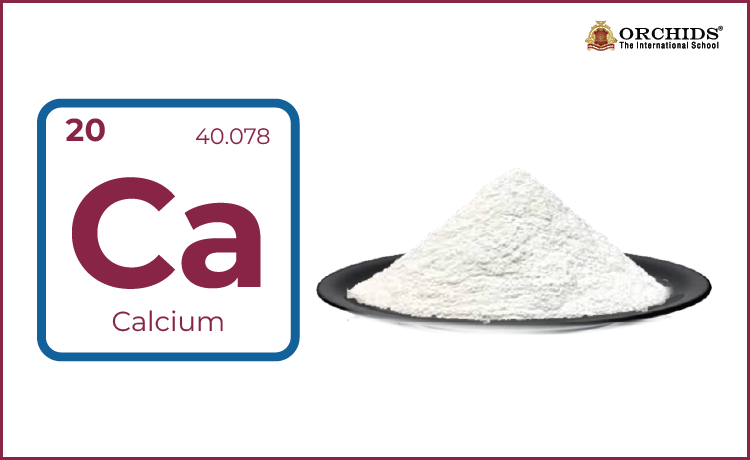
Ancient cultures unknowingly worked with calcium compounds long before its discovery. Lime made from calcium oxide was used for plaster and mortar in Roman buildings.
The modern understanding of calcium began in 1808, when Sir Humphry Davy isolated calcium metal through electrolysis of a molten salt mixture of lime and mercuric oxide.
Because it reacts readily, calcium is not found free in nature but as part of stable compounds. It makes up about 4% of Earth’s crust, found abundantly in limestone (CaCO₃), gypsum (CaSO₄·2H₂O), fluorite (CaF₂), and marine shells.
Must- Know Facts About Calcium!
|
Let's see the Existence of Calcium in Nature
Calcium shapes landscapes and ecosystems. Stalactites and stalagmites in caves form from dripping water depositing calcium carbonate over thousands of years.
The Major Question is Where Calcium is Found in Nature
Calcium rarely exists in its pure metallic form in nature; instead, it is bound within minerals and compounds. Some of the most common sources include:
- Gypsum (Calcium Sulfate-CaSO₄·2H₂O) is used in plaster, drywall, and fertilisers.

- Limestone (Calcium Carbonate- CaCO₃) is a major sedimentary rock that forms caves, karst landscapes, and is vital in cement production.
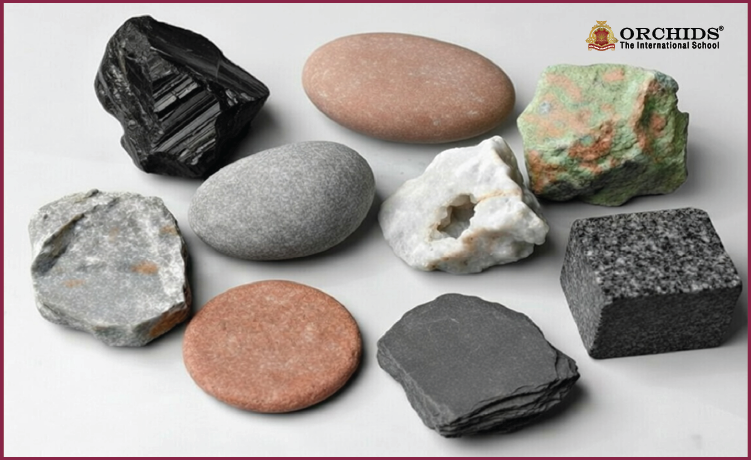
- Apatite (Calcium phosphate -Ca₅(PO₄)₃ (F, Cl, OH) is a key source of phosphorus for fertilisers.
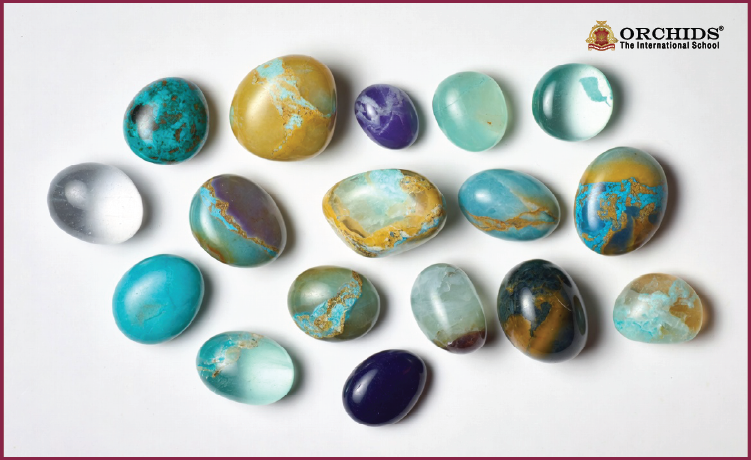
- Fluorite (Calcium Fluoride-CaF₂) is valued as a flux in steelmaking and as a source of fluorine.

Ocean life cycles constantly recycle calcium, with shells settling on the seabed to become limestone deposits. Calcium also neutralises acidic rain in soils and lakes, protecting ecosystems.
Apart from these Calcium plays an important role in maintaining the humanbody.
Dietary Use of Calcium in Humanbody
Your body constantly needs calcium. Dairy products like milk, yogurt, and cheese are rich sources. The fact that everyone might and must know is that Leafy greens, almonds, and fortified foods also provide calcium.
Also, Vitamin D is essential to help your body absorb calcium efficiently. Insufficient calcium intake can lead to weak bones or osteoporosis later in life.
Calcium is essential for living organisms. In humans:
- It builds and maintains bones and teeth, giving them strength.
- Nerve impulses rely on calcium ions to transmit signals.
- Muscle contractions(including the heartbeat) require calcium.
- It plays a key role in blood clotting.
In plants, calcium strengthens cell walls and helps roots grow. Marine organisms use calcium carbonate to build shells and corals, forming reefs that support ecosystems.
Lets discuss about the physical properties that helps easily to identify Calcium.
Physical Properties of Calcium
|
Property |
Description |
|
Appearance |
Silvery-white, soft metal. |
|
Melting Point |
~842 °C |
|
Boiling Point |
~1484 °C |
|
Density |
~1.54 g/cm³ (lighter than most metals). |
|
Compounds |
Calcium carbonate (chalk, limestone), calcium chloride (de-icing agent), calcium sulfate (plaster of Paris). |
Chemical Properties of Calcium
|
Property |
Value / Description |
|
Symbol |
Ca |
|
Atomic Number |
20 |
|
Oxidation State |
+2 (most common and stable) |
|
Electron Configuration |
[Ar] 4s² |
|
Reactivity |
Highly reactive with oxygen, water, and acids |
|
Reaction with Water |
Forms calcium hydroxide (Ca(OH)₂) and hydrogen gas (H₂) |
|
Reaction with Oxygen |
Produces calcium oxide (CaO) |
|
Flame Test Color |
Brick-red or orange-red |
Also learn More: Calcium Carbonate
Important Reactions of Calcium
1.Reaction with Water: Calcium reacts with cold water to form calcium hydroxide and hydrogen gas:
The hydrogen bubbles show their reactivity, though calcium reacts less vigorously than sodium or potassium.
2. Reaction with Oxygen: When heated in air, calcium burns with a brick-red flame to form calcium oxide:
3. Reaction with Acids:Calcium reacts readily with acids like hydrochloric acid to form calcium chloride and hydrogen gas:
These reactions highlight calcium’s role as a reactive metal and its usefulness in industry.
Uses of Calcium
Calcium’s usefulness stretches from biology to heavy industry:
- It is used in Construction as limestone, and the uses of gypsum are vital for making cement, plaster, and concrete.
- Calcium acts as a reducing agent to remove oxygen and sulfur impurities during steel production.
- It is used in water treatment;Calcium hydroxide (slaked lime) purifies drinking water by neutralising acidity.
- Farmers add lime to acidic soils to improve fertility in agriculture sector.
- In Food Industry;Calcium salts are added to food to boost nutritional value and preserve texture.
We have learned that how Calcium is more than just a nutrient in your glass of milk; it is a cornerstone of life, landscapes, and industries. Its reactivity rules the chemical processes, its compounds build our homes and cities, and its ions keep our bodies functioning.
Frequently Asked Questions on Calcium
1. What is Calcium?
Calcium is a soft, silvery-white alkaline earth metal that is essential for life and found widely in rocks, seashells, and living organisms. It plays a vital role in building bones, teeth, and many natural processes.
2. What are Calcium Uses?
Calcium is used in construction (cement and plaster), steelmaking, water treatment, farming, food fortification, and keeping our bones and muscles healthy. Its compounds are part of our daily lives and industries.
3. What is the colour of calcium?
Freshly cut calcium metal has a silvery-white colour, but it quickly turns dull grey as it reacts with air to form a protective oxide layer.
4. What makes calcium important?
Calcium is important because it strengthens bones and teeth, supports muscle movement, nerve signals, and blood clotting, and even shapes Earth’s landscapes through rocks and reefs.
5. What classification is calcium?
Calcium is classified as an alkaline earth metal in Group 2 of the periodic table, known for being reactive but less so than alkali metals like sodium or potassium.
6. What is the RAM of calcium?
The Relative Atomic Mass (RAM) of calcium is approximately 40.08, representing the weighted average of all its naturally occurring isotopes.
7. Where is calcium found?
Calcium is found in Earth’s crust as limestone, gypsum, and fluorite, in seawater, in coral reefs, and in living organisms like our own bones and teeth.
8. What is the best time to take calcium?
The best time to take calcium supplements is with meals, as food helps your body absorb it better, especially when split into smaller doses throughout the day.
Science isn't just a subject, it's the way of seeing the world. Curious how Orchids The International School teaches it that way? Talk to our admissions team.
Admissions Open for 2026-27
What type of concept pages would you prefer?
CBSE Schools In Popular Cities
- CBSE Schools in Bangalore
- CBSE Schools in Mumbai
- CBSE Schools in Pune
- CBSE Schools in Hyderabad
- CBSE Schools in Chennai
- CBSE Schools in Gurgaon
- CBSE Schools in Kolkata
- CBSE Schools in Indore
- CBSE Schools in Sonipat
- CBSE Schools in Delhi
- CBSE Schools in Rohtak
- CBSE Schools in Bhopal
- CBSE Schools in Aurangabad
- CBSE Schools in Jabalpur
- CBSE Schools in Jaipur
- CBSE Schools in Jodhpur
- CBSE Schools in Nagpur
- CBSE Schools in Ahmednagar
- CBSE School In Tumkur











Orchids The International School is one of India's leading chains of CBSE and ICSE schools, with 130+ schools across the country.