

Learn About Ascorbic Acid (Vitamin C)
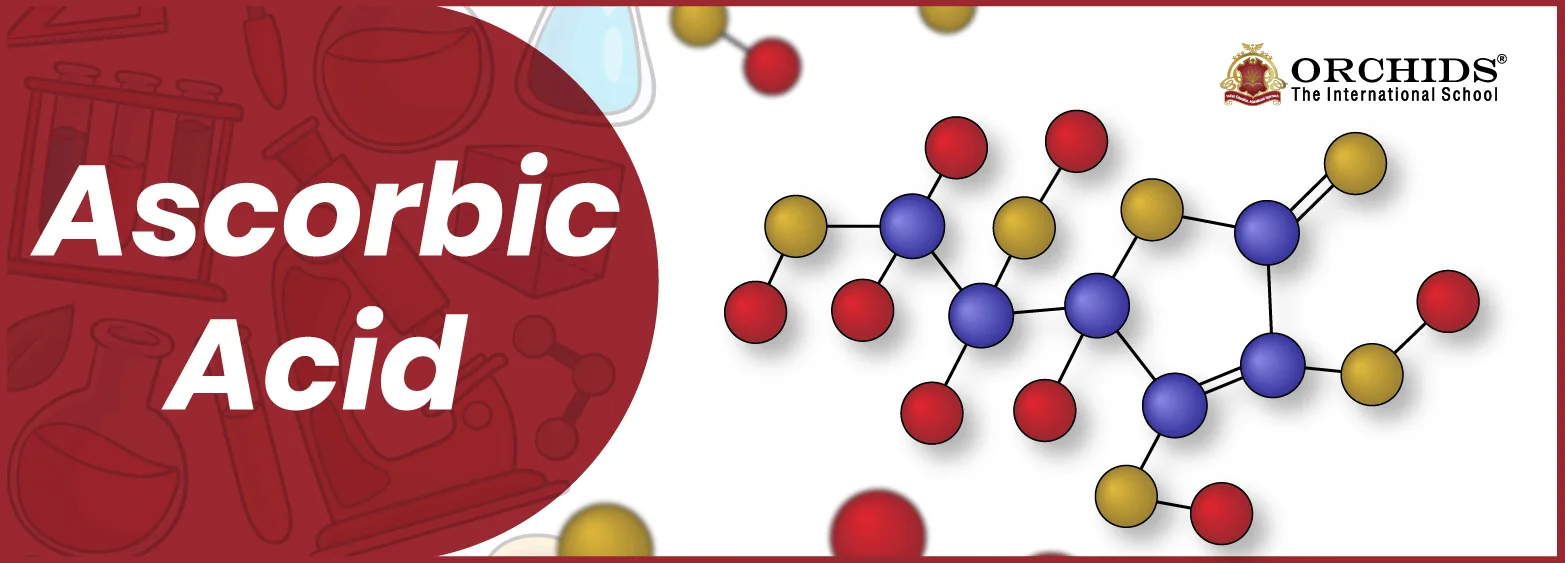
Ascorbic acid, commonly known as Vitamin C, is one of the most essential nutrients for humans and many animals. It plays a vital role in keeping our body healthy, strong, and disease-free. Since our body cannot produce it naturally, we must obtain it through food sources such as citrus fruits, tomatoes, bell peppers, and green vegetables.
This article focuses on what ascorbic acid is, its structure, properties, and uses, and how this vitamin contributes to our body’s health and industrial applications in a simple, easy-to-learn way.
Table of Contents
- What is Ascorbic Acid
- Physical and Chemical Properties of Ascorbic Acid
- Uses of Ascorbic Acid
- Health Risks and Side Effects of Ascorbic Acid
- Frequently Asked Questions on Ascorbic Acid

What is Ascorbic Acid?
Ascorbic acid is a naturally occurring organic compound that functions as Vitamin C in living organisms. It is a white water-soluble vitamin that acts as a reducing agent and antioxidant, meaning it helps prevent damage caused by harmful free radicals in the body. It belongs to the monosaccharide family and has the molecular formula C₆H₈O₆.
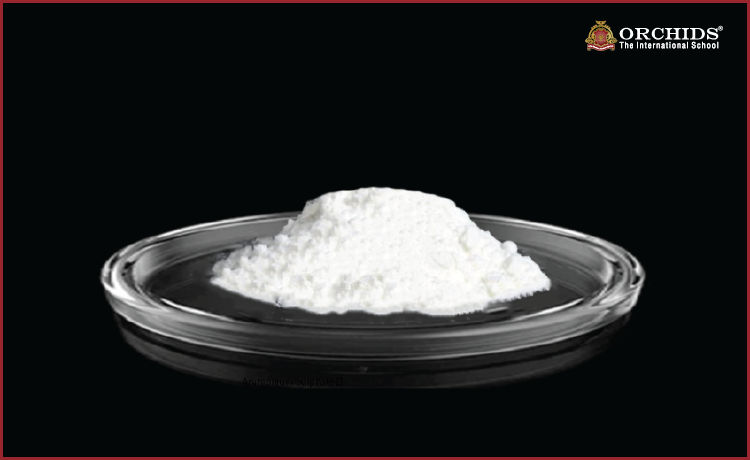
What makes ascorbic acid so special is that our body cannot make it naturally. Humans, unlike some animals, lack the enzyme needed to produce Vitamin C, so we must get it from our diet. Fresh fruits and vegetables are the best sources, especially oranges, amla, guava, kiwi, lemons, strawberries, bell peppers, broccoli, and spinach.
But what about the Structure and Formula of Ascorbic Acid
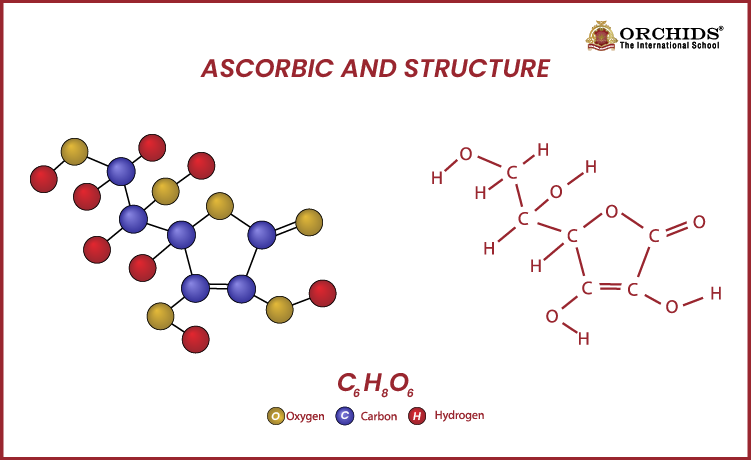
The structure of ascorbic acid shows a five-membered lactone ring with multiple hydroxyl (-OH) groups. These groups make it highly soluble in water and are responsible for its antioxidant behaviour.
Importantly, it exists in two forms:
- L-ascorbic acid (active Vitamin C form)
- D-ascorbic acid (inactive form, less common)
In its solid state, it appears as a white to pale yellow crystalline powder with a slightly sour taste, which is why citrus fruits taste tangy!
Ascorbic acid shows some physical and chemical trends which help it to be identified among all the others.
Physical and Chemical Properties of Ascorbic Acid
|
Property |
Description |
|
Molecular Formula |
C₆H₈O₆ |
|
Molecular Weight |
176.12 g/mol |
|
Appearance |
White to light yellow crystalline solid |
|
Density |
1.65 g/cm³ |
|
Melting Point |
190 -192 °C |
|
Boiling Point |
553 °C |
|
Solubility |
Soluble in water |
|
Nature |
Mildly acidic |
|
Odour |
Odourless |
|
Taste |
Sour or tangy |
Let's learn about the Biological Role and Importance of Ascorbic Acid in the Human Body
Ascorbic acid is not just a nutrient; it’s a vital coenzyme that supports several important biological processes:
- It helps in the formation of collagen, a protein essential for skin, bones, and connective tissues.
- It helps in wound healing and tissue repair.
- Apart from them, it importantly it boosts the immune system, helping the body fight infections.
- It improves iron absorption from plant-based foods.
- It acts as a natural antioxidant, protecting cells from oxidative stress.
- It prevents scurvy, a disease caused by Vitamin C deficiency, leading to bleeding gums and fatigue.
Uses of Ascorbic Acid
Ascorbic acid is used widely in multiple fields, from healthcare and food to cosmetics and industry. Let’s look into its major applications:
Ascorbic acid (Vitamin C) has a wide range of uses, from keeping us healthy to preserving food and improving product quality.
- In the Health and Medicine sector, it helps treat Vitamin C deficiency, heals wounds, boosts immunity, and protects the body from infections and pollution damage. It acts as a saviour, right?
- It is used as a preservative and antioxidant (E300) to keep packaged foods, fruits, and juices fresh, colourful, and nutritious in Food and Beverages.
- Do you know of A favourite skincare ingredient that brightens skin, reduces spots, and slows ageing by boosting collagen production? It's because of the main ingredient.
- It serves the best in Industrial Applications, such as being used as a stabiliser and reducing agent in making medicines, plastics, and photographic products.
- In Agriculture and Animal Feed, it improves seed growth, plant health, and animal immunity, supporting both farming and food quality.
Health Risks and Side Effects of Ascorbic Acid
While Vitamin C is safe and essential, excessive intake can cause:
- One can face Nausea, stomach cramps, or diarrhoea while taking ascorbic acid
- Heartburn or mild headache are also some common symptoms
- It can lead to rare kidney stones due to high doses
It's best to take Vitamin C through fresh foods or supplements prescribed by a doctor.
Till now, we have learned that ascorbic acid is one of the most valuable compounds in nature, a simple molecule with extraordinary benefits. It strengthens our immune system, maintains healthy skin, and supports plant and industrial life. From a small orange to a skincare bottle or a factory process, Vitamin C touches nearly every part of our lives.
Frequently Asked Questions on Ascorbic Acid
1. What is the use of Ascorbic Acid?
Ascorbic Acid is mainly used to boost immunity and repair body tissues. This vitamin helps the body absorb iron, heal wounds, and fight infections effectively.
2. What are the safety precautions for Ascorbic Acid?
While taking Ascorbic Acid, always follow the prescribed dose and drink plenty of water. Overuse of Ascorbic Acid supplements may upset your stomach or cause mild diarrhoea.
3. What is the side effect of Ascorbic Acid?
Too much Ascorbic Acid can cause nausea, stomach cramps, or frequent urination. People sensitive to Vitamin C should take Ascorbic Acid in limited amounts only.
4. What is the best time to take Vitamin C Ascorbic Acid?
The best time to take Ascorbic Acid is in the morning after meals with a glass of water. Taking Ascorbic Acid regularly at the same time helps your body absorb it better.
5. What is Ascorbic Acid made of?
Ascorbic Acid is made from carbon, hydrogen, and oxygen atoms, forming the formula C₆H₈O₆. Natural Ascorbic Acid is usually derived from citrus fruits and certain vegetables.
Science isn't just a subject, it's the way of seeing the world. Curious how Orchids The International School teaches it that way? Talk to our admissions team.
Admissions Open for 2026-27
What type of concept pages would you prefer?
CBSE Schools In Popular Cities
- CBSE Schools in Bangalore
- CBSE Schools in Mumbai
- CBSE Schools in Pune
- CBSE Schools in Hyderabad
- CBSE Schools in Chennai
- CBSE Schools in Gurgaon
- CBSE Schools in Kolkata
- CBSE Schools in Indore
- CBSE Schools in Sonipat
- CBSE Schools in Delhi
- CBSE Schools in Rohtak
- CBSE Schools in Bhopal
- CBSE Schools in Aurangabad
- CBSE Schools in Jabalpur
- CBSE Schools in Jaipur
- CBSE Schools in Jodhpur
- CBSE Schools in Nagpur
- CBSE Schools in Ahmednagar
- CBSE School In Tumkur











Orchids The International School is one of India's leading chains of CBSE and ICSE schools, with 110+ schools across the country.