

Food Preservation Using Chemicals: Types Explained with Real-Life Examples
Food preservatives are the reason why both homemade and packaged foods stay fresh for a longer time. Earlier, people preserved food using salt, sugar and sunlight, whereas today many packaged foods also contain chemical preservatives.This article provides insights into the use of food preservatives, and how traditional and chemical use as Food Preservatives modern work side by side to reduce food waste and improve shelf life.
Table of Contents
- Why Does Food Need Preserving
- Traditional Methods of Food Preservation
- Role of Chemical Preservatives in Food Preservation
- How Do These Preservatives Work
- Frequently Asked Questions on Food Preservatives

Why Does Food Need Preserving
Ever wondered how our grandparents made pickles and stayed fresh for months, or how that packet of bread doesn’t go bad in just a day? Food does not stay fresh forever. It can spoil because of bacteria, fungi and other microorganisms. Food preservation helps keep food fresh, safe to eat and available for a longer time. Earlier, people used traditional methods, while today both natural and modern preservation techniques are used.
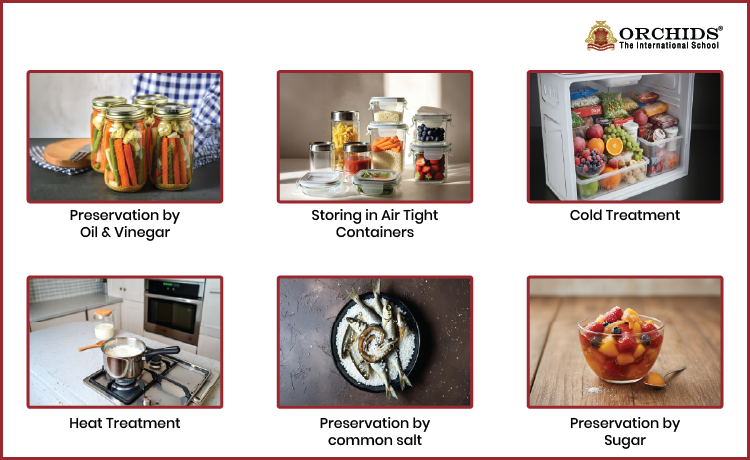
It's noticeable that food begins to spoil the moment it’s prepared or harvested. Bacteria, fungi, and environmental conditions all rush in to break it down. Preservatives, both traditional and modern methods, slow this process so your food remains fresh, tasty, and safe to eat.
Traditional Methods of Food Preservation
The traditional methods of food preservation helped prevent spoilage, reduce food waste and make food safe to eat.
1. Salting
- Common in: Pickles, meats, fish.
- Salt draws out moisture and creates an environment where bacteria can’t grow.
2. Drying (Dehydration)
- Common in: Dried fruits, spices, meat jerky.
- By removing water, microbes have no medium to thrive in.
- Sun-drying is still widely used in rural areas.
3. Sugaring
- Common in: Jams, fruit preserves, and syrups.
- Like salt, sugar locks moisture and prevents microbial growth.
- Bonus? It tastes delicious.
4. Smoking
- Common in: Meat, fish.
- Smoke adds flavour and kills bacteria on the surface.
- It’s both a culinary art and a preservation technique.
5. Fermentation
- Common in: Curd, kimchi, sauerkraut, and idli/dosa batter.
- Friendly bacteria do the work here; they produce acids that prevent harmful bacteria from growing.
6. Vinegar (Acid Preservation)
- Common in: Pickles, sauces.
- The acetic acid in vinegar keeps food fresh by making the environment too acidic for microbes.
Role of Chemical Preservatives in Food Preservation
Chemical preservatives are widely used to keep food fresh for a longer time. They help prevent food from spoiling during storage and transport and are added only in safe, approved quantities.
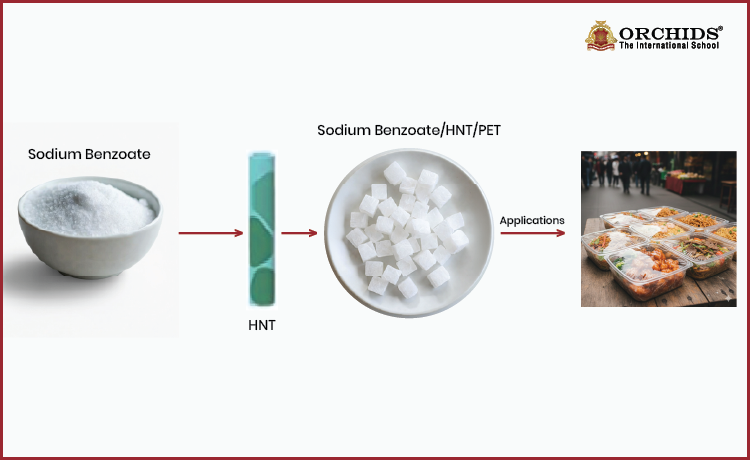
1. Sodium Benzoate
- Found in: Soft drinks, fruit juices, salad dressings.
- How it works is it slows down yeast, Molds, and bacteria growth by making the environment acidic.
2. Sodium Nitrate & Sodium Nitrite
- Found in: Cured meats like bacon, ham, and sausages.
- Sodium Nitrate and Sodium Nitrite are the powerful preservatives as they not only prevent spoilage but also give cured meats their pink colour.
- Their usage is strictly controlled as excess can be harmful for the human body.
3. Potassium Sorbate / Sorbic Acid
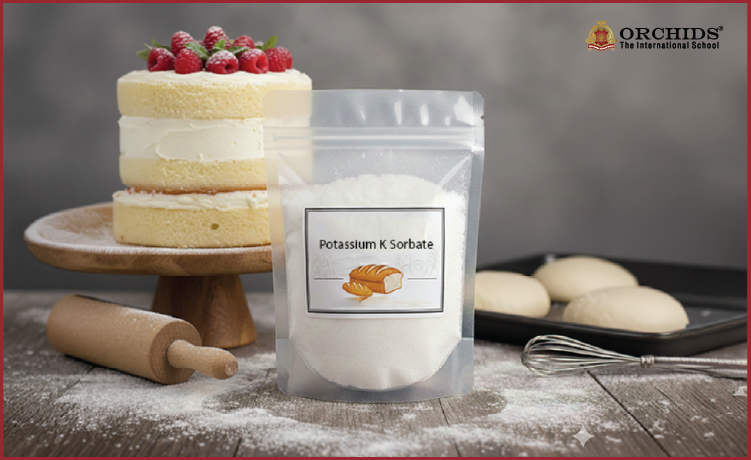
- Found in: Baked goods, cheese, syrups.
- Potassium sorbate and sorbic acid is effective against fungi and keeps foods mold-free for a longer time without spoiling it .
4. Sulphur Dioxide & Sulphites
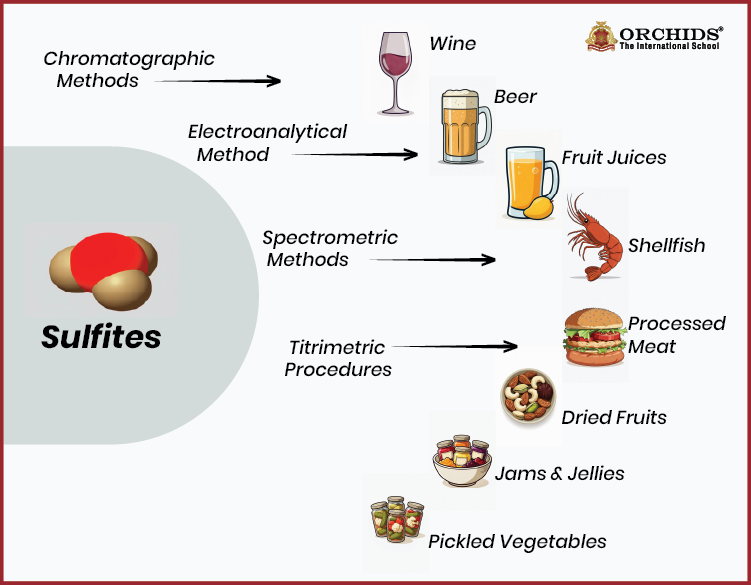
- Found in: Dried fruits, wine, fruit concentrates.
- It acts as both a preservative and antioxidant.
- Some people (especially asthmatics) may be sensitive to it.
5. Propionic Acid & Propionates
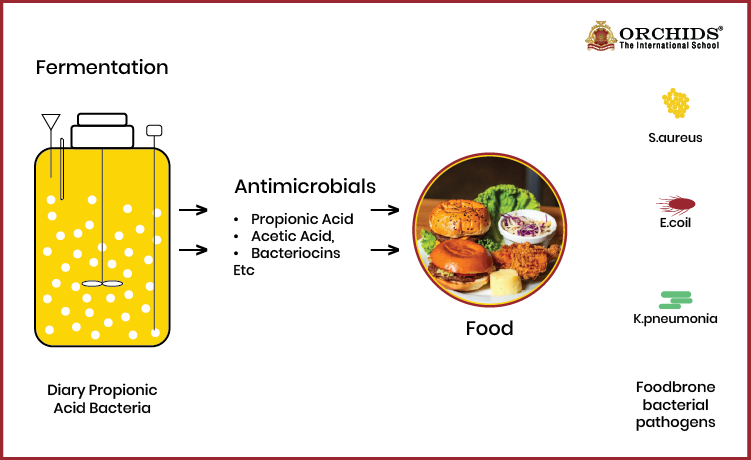
- Found in: Bread, cakes, and other bakery items.
- Stop Molds before it spoils your loaf.
6. Acetic Acid
- Found in: Vinegar-based foods like pickles and sauces.
- Its sharp acidity prevents microbial growth naturally.
How Do These Preservatives Work?
The first question that comes to mind is how the preservatives help to maintain the food?The answer is: Either Preservatives do is:
- Kill or inhibit the growth of bacteria, yeast, and fungi,
- Alter the pH of food to make it inhospitable for microbes, or
- Block oxidation causes spoilage and rancidity.
Are Chemical Preservatives Safe?
Yes,Have you ever seen the food packets labelled by Food Safety Authorities like FSSAI (India), FDA (USA), and WHO? Yes,These authorities set strict limits on how much of each preservative can be used. So that juice or slice of cake you love? It’s passed several safety checks before reaching you.
That said, it’s smart to read food labels, especially if you have allergies or specific health concerns.
Natural vs Chemical Preservatives: What’s Better?
Below is the List of Natural and Chemical Preservatives which we use on a daily basis.
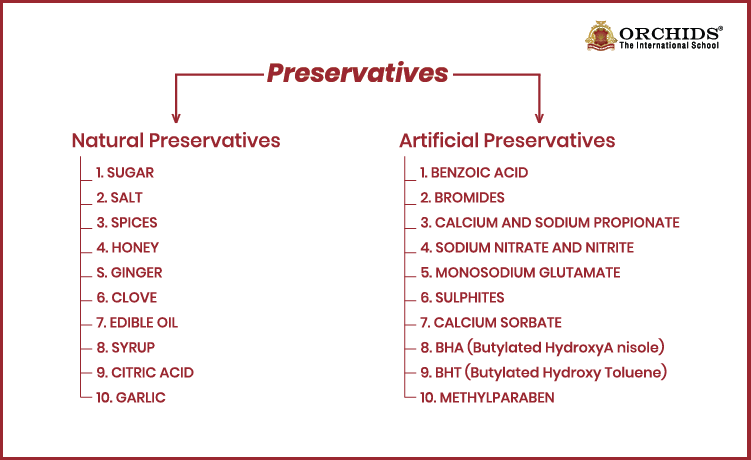
- Natural preservatives (like salt, sugar, vinegar) are ideal for homemade or small-scale storage.
- Chemical preservatives are necessary in commercial food production to ensure large-scale safety and shelf life.
Also Read: Antimicrobial Agent
Whether it’s the tangy pickle in your lunchbox or a packed snack from the store, food preservation plays a quiet yet vital role in your everyday life. While traditional methods still have their charm, chemical preservatives help meet the demands of modern lifestyles and large-scale food production.
Frequently Asked Questions on Food Preservatives
1. Why are chemical preservatives used in food?
They maintain freshness by retarding decay due to microbes or exposure to air, and thereby make the food safe to consume over a prolonged period.
2. Which chemical food preservative is most commonly used?
Sodium benzoate is commonly applied in beverages and acidic foods to inhibit the development of mold and stabilise products on store shelves.
3. What are the best natural food preservatives?
Salt, lemon juice, and vinegar are wonderful natural choices; they're safe to use, easy, and have been relied upon for generations.
4. What are the safe limits of chemical preservatives?
There are strict safety limits placed on each preservative, ensuring they keep the food safe without endangering your health.
5. Are chemical preservatives detrimental to health?
Used sparingly, they're safe. But some individuals may be sensitive, so it's nice to read labels when necessary.
6. Why are natural preservatives becoming more popular today?
Individuals today want fewer chemicals in foods, so natural preservatives are becoming increasingly popular for being uncomplicated, safe, and wholesome.
Science isn't just a subject, it's the way of seeing the world. Curious how Orchids The International School teaches it that way? Talk to our admissions team.
Admissions Open for 2026-27
What type of concept pages would you prefer?
CBSE Schools In Popular Cities
- CBSE Schools in Bangalore
- CBSE Schools in Mumbai
- CBSE Schools in Pune
- CBSE Schools in Hyderabad
- CBSE Schools in Chennai
- CBSE Schools in Gurgaon
- CBSE Schools in Kolkata
- CBSE Schools in Indore
- CBSE Schools in Sonipat
- CBSE Schools in Delhi
- CBSE Schools in Rohtak
- CBSE Schools in Bhopal
- CBSE Schools in Aurangabad
- CBSE Schools in Jabalpur
- CBSE Schools in Jaipur
- CBSE Schools in Jodhpur
- CBSE Schools in Nagpur
- CBSE Schools in Ahmednagar
- CBSE School In Tumkur











Orchids The International School is one of India's leading chains of CBSE and ICSE schools, with 130+ schools across the country.