

Uses of Ascorbic Acid: Applications, and Importance Explained
Ever wondered why doctors recommend citrus fruits when you’re sick? That’s because they’re rich in ascorbic acid, also known as Vitamin C, a wonder compound that keeps us healthy inside and out! It’s not just important for the immune system, but is also used widely in food preservation, cosmetics, and even agriculture.
This article focuses on the uses of ascorbic acid, from healing wounds to keeping our food fresh and the chemistry behind it.
Table of Contents
- What is Ascorbic Acid
- Uses of Ascorbic Acid
- Side Effects of Ascorbic Acid
- Frequently Asked Questions on Uses of Ascorbic Acid

What is Ascorbic Acid?
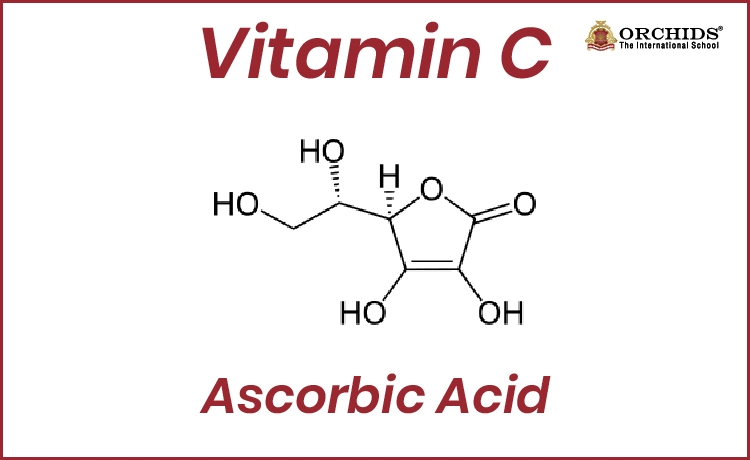
Ascorbic acid, or Vitamin C, is a water-soluble compound with the chemical formula C₆H₈O₆. It appears as a white or slightly yellow powder with a sour taste. This compound dissolves easily in water but not in fats.
But why is ascorbic acid so important for the human body?
As it’s a powerful antioxidant, which means it protects our cells from damage caused by free radicals (harmful molecules that can cause ageing and illness). Our body cannot make Vitamin C on its own, so we must get it from food sources like oranges, amla, guava, or supplements.
Because humans cannot produce this vitamin on their own, it must be obtained through dietary sources such as:
- Citrus fruits (orange, lemon, amla)
- Kiwi, guava, and strawberries
- Leafy vegetables and broccoli
- Tomatoes and bell peppers
In short, ascorbic acid is the vitamin that keeps you healthy, energetic, and protected from diseases.
The fact that when stored dry, ascorbic acid is stable, but once mixed with water or exposed to air, it can oxidise and lose its strength, which is why fresh fruits are healthier than packaged juices!
The structure of ascorbic acid shows a five-membered lactone ring with multiple hydroxyl groups. These groups make it highly soluble in water and are responsible for its antioxidant behaviour.
Chemically, it exists in two forms:
- L-ascorbic acid (active Vitamin C form)
- D-ascorbic acid (inactive form, less common)
In its solid state, it appears as a white to pale yellow crystalline powder with a slightly sour taste, which is why citrus fruits taste tangy.
Uses of Ascorbic Acid
1. Health and Medical Uses
The most well-known use of ascorbic acid is in medicine and healthcare. Our body cannot produce Vitamin C on its own, so it must be taken through food or supplements. It supports overall health in many ways:
- It boosts immunity by fighting common infections like colds, coughs, and flu in the human body.
- It heals wounds faster as it promotes the production of collagen, the protein that repairs tissues and skin.
- It prevents scurvy, which is A serious Vitamin C deficiency that causes bleeding gums, fatigue, and weakness.
- It maintains healthy bones and teeth as it strengthens connective tissues, cartilage, and gums.
- Importantly, it acts as an antioxidant as it protects cells from the harmful effects of pollution, stress, and smoking.
Do you know, Doctors often recommend Vitamin C tablets, syrups, or supplements when your diet lacks fresh fruits and vegetables like oranges, lemons, and amla.
2. Uses of Ascorbic Acid in Cosmetics and Personal Care
Ascorbic acid has become a star ingredient in the beauty world, loved for its ability to make skin glow and look youthful. It is widely used in skincare and haircare products because of its natural healing and brightening powers.
Some are :
- Face serums and creamsreduce dark spots, pigmentation, and dullness.
- Anti-ageing formulas stimulate collagen to keep skin firm and wrinkle-free.
- Sunscreensprovide antioxidant support to prevent UV damage and tanning.
3. Uses of Ascorbic Acid in the Food and Beverage Industry
In the food industry, the use of ascorbic acid goes beyond nutrition; it keeps our favourite foods fresh, tasty, and colourful. Because it acts as an antioxidant and preservative, it’s a key ingredient in many packaged foods and drinks.
Some are:
- Food preservativeprevents fruits, juices, and vegetables from spoiling or turning brown.
- Nutrient supplement enriches food items with extra Vitamin C for better nutrition.
- Acidity regulator Balances taste and freshness in soft drinks, jams, and juices.
In short, ascorbic acid keeps our food safe, healthy, and longer-lasting, all while retaining its natural goodness.
4. Uses of Ascorbic Acid in Agriculture and Animal Nutrition
Not just for humans, ascorbic acid also benefits plants and animals. In agriculture, it helps crops grow better and stay strong against environmental stress.
Some are:
- In crops, it improves seed germination, boosts root growth, and increases drought resistance.
- As a plant antioxidant, it protects plants from oxidative stress caused by heat and pollution.
- In animal feed, it strengthens immunity and improves growth in poultry, cattle, and fish.
5. Industrial and Chemical Uses of Ascorbic Acid
In industries, the use of ascorbic acid is equally valuable. Its chemical stability and antioxidant properties make it essential for manufacturing and preservation.
Some are :
- It is used as a reducing agent as it helps in refining metals and purifying chemicals.
- It prevents oxidation and protects materials like plastics and rubber during production.
- It is used in pharmaceuticals and photography as it stabilises products and prevents early degradation.
Its ability to resist oxidation improves product quality, extends shelf life, and makes ascorbic acid a key ingredient in many industrial processes.
Side Effects of Ascorbic Acid
Though ascorbic acid (Vitamin C) is generally safe and essential, taking too much of it can cause mild side effects.
Common side effects include:
- Nausea or upset stomach
- Diarrhoea or heartburn
- Fatigue or mild headache
NOTE: In rare cases, excessive intake of Vitamin C can lead to kidney stones. It’s always best to take it in recommended doses, preferably through natural foods or as advised by your doctor.
Read More: Benzoic Acid and Amino Acid Chain
So far, we have learned that from healing wounds and strengthening immunity to preserving food and beautifying skin, the uses of ascorbic acid (Vitamin C) prove how powerful chemistry can be in our daily lives. Its uses span medicine, food, cosmetics, farming, and even industry, showing how one small molecule can make a big difference.
Frequently Asked Questions on Uses of Ascorbic Acid
1. What is the main use of ascorbic acid?
The main Use of Ascorbic Acid is to boost immunity and help the body heal faster by forming collagen. It also protects cells from damage, which is what is ascorbic acid best known for!
2. What is the daily limit of ascorbic acid?
For most people, the safe Use of Ascorbic Acid is about 65–90 mg per day. Knowing what is ascorbic acid? helps us take it wisely, too much can upset your stomach.
3. Is ascorbic acid safe to use?
Yes, the Use of Ascorbic Acid is safe when taken in the right amount through fruits or supplements.
4. What are the benefits of ascorbic acid, vital C?
The Use of Ascorbic Acid or Vitamin C helps keep skin healthy, boosts immunity, and fights tiredness.
5. What are the side effects of ascorbic acid?
When overused, the Use of Ascorbic Acid can cause mild issues like acidity or stomach cramps. So, understanding what is ascorbic acid helps us use it safely and avoid any discomfort.
6. What is ascorbic acid made of?
If you’re wondering what is ascorbic acid?, It’s a compound made of carbon, hydrogen, and oxygen (C₆H₈O₆). The Use of Ascorbic Acid lies in its ability to protect the body and support good health naturally.
Science isn't just a subject, it's the way of seeing the world. Curious how Orchids The International School teaches it that way? Talk to our admissions team.
Admissions Open for 2026-27
What type of concept pages would you prefer?
CBSE Schools In Popular Cities
- CBSE Schools in Bangalore
- CBSE Schools in Mumbai
- CBSE Schools in Pune
- CBSE Schools in Hyderabad
- CBSE Schools in Chennai
- CBSE Schools in Gurgaon
- CBSE Schools in Kolkata
- CBSE Schools in Indore
- CBSE Schools in Sonipat
- CBSE Schools in Delhi
- CBSE Schools in Rohtak
- CBSE Schools in Bhopal
- CBSE Schools in Aurangabad
- CBSE Schools in Jabalpur
- CBSE Schools in Jaipur
- CBSE Schools in Jodhpur
- CBSE Schools in Nagpur
- CBSE Schools in Ahmednagar
- CBSE School In Tumkur











Orchids The International School is one of India's leading chains of CBSE and ICSE schools, with 130+ schools across the country.