

Uses of Fossil Fuels in Daily Life and Modern Industries
Fossil fuels are the backbone of the modern world. They are formed from the remains of plants and animals that lived millions of years ago, making them non-renewable resources. These uses of fossil fuels, coal, petroleum, and natural gas power our homes, industries, vehicles, and countless everyday activities. Even though we use them daily, many students still struggle to understand how each fossil fuel is formed, why they are different, and where exactly they are used.
This perfect guide focuses on the uses of fossil fuels, their importance, and how they shape our world, while building a strong base for exams and real-life learning.
Table of Contents

What Are Fossil Fuels?
Fossil fuels are energy-rich substances formed deep under the Earth’s crust from the prehistoric remains of plants and animals. The fact that Because this process takes millions of years, they cannot be replaced quickly, making them non-renewable.
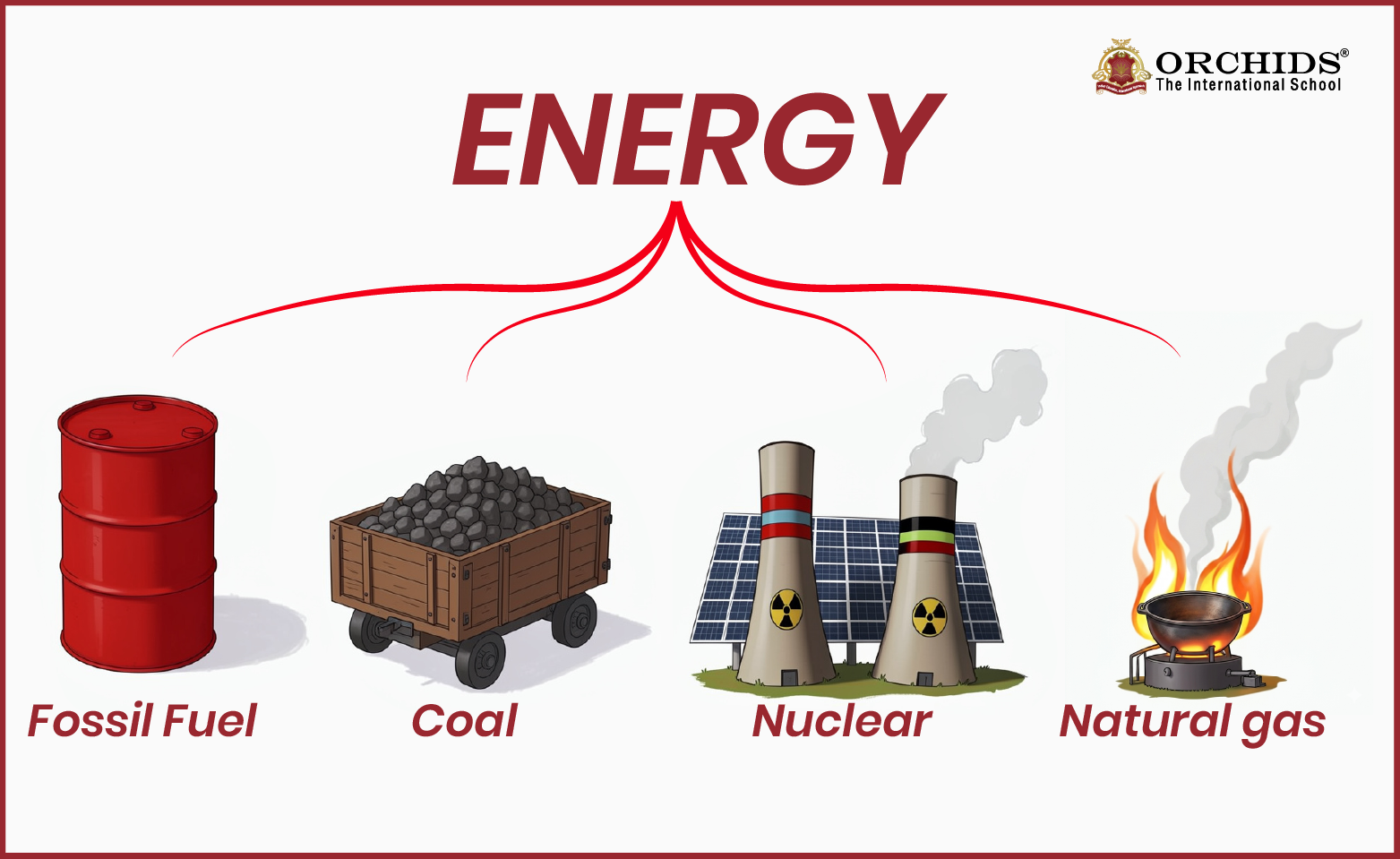
The three major fossil fuels are:
- Coal is solid form
- Petroleuml Oil liquid form
- Natural Gas is gaseous form
Petroleum is the most widely used fossil fuel, while coal still generates about 40% of global electricity. Natural gas is valued for being cleaner and highly efficient.
Learn: Fuel Types
But why are fossil fuels important?
Fossil fuels are important because they:
- They supply most of the world’s energy needs
- Fossil fuels power the transportation, industries, and households
- Mainly, it supports the production of countless materials and chemicals
- It enhances the economic growth in developing and developed countries
- It remains affordable and easily accessible in many regions
Uses of Fossil Fuels
Each fossil fuel exists in a different physical form (solid, liquid, or gas) and therefore has its own applications.
Below are the major uses of oil, coal, and natural gas across different sectors.
- Uses of Oil (Petroleum): Do you know that Petroleum is often called “black gold” because of its immense economic value? It is refined into many essential products.
.webp)
Major Uses:
- It contributes to transportation like Fuel for cars, trucks, buses, aeroplanes, and ships (petrol, diesel, ATF).
- It helps in Electricity Generation in thermal power plants are used in many countries.
- In the Manufacturing sector, itproduces plastics, waxes, lubricants, asphalt, and tar.
- In the Chemicals & Medicines sectors, it is an Important raw material for solvents, cosmetics, pharmaceuticals, and synthetic fibres.
- In the Agriculture sector, it is used to make fertilisers and pesticides that support large-scale farming.
Petroleum’s versatility makes it one of the most crucial fuels in the global economy.
Uses of Coal
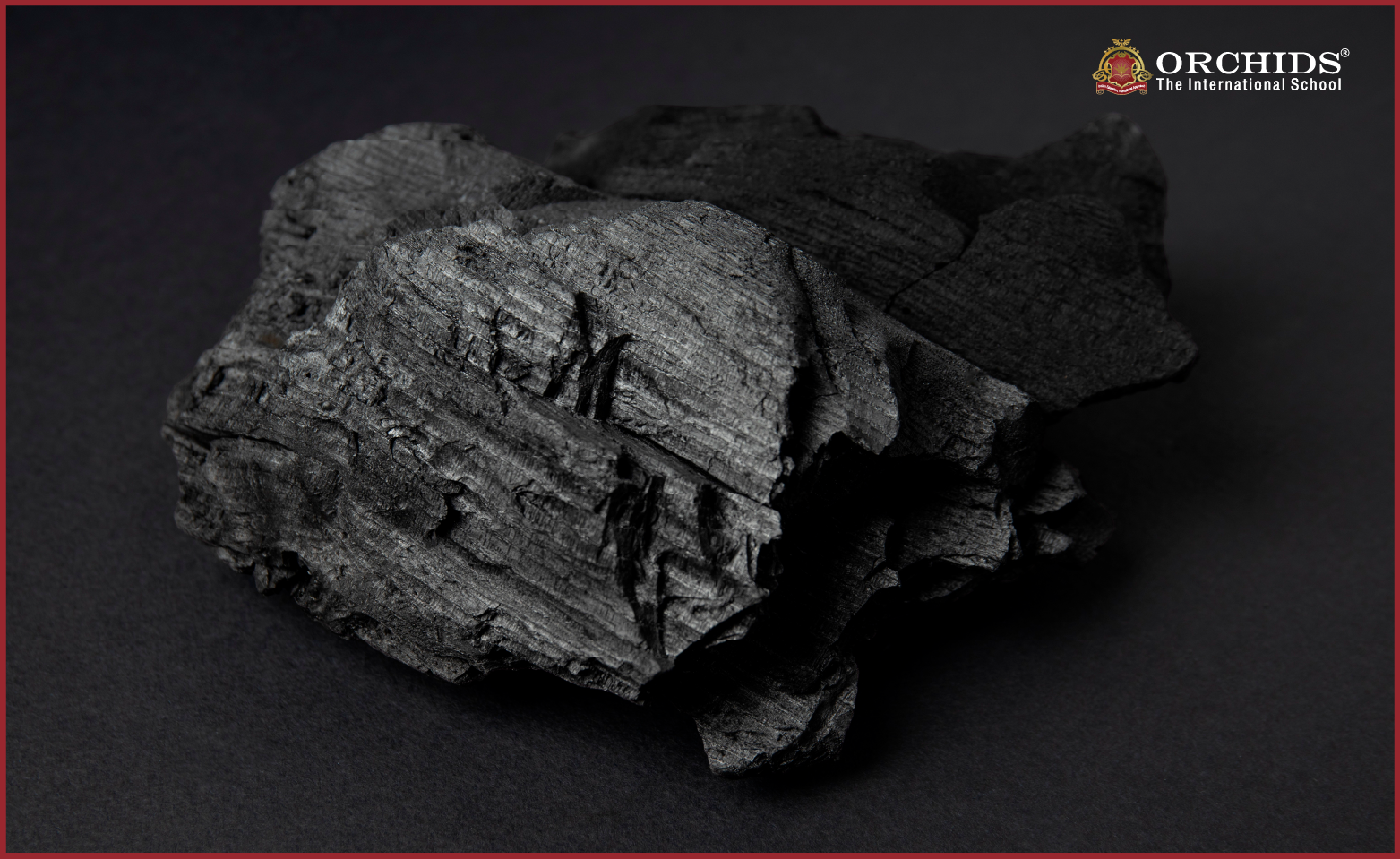
Coal is a solid fossil fuel made of carbon, hydrogen, oxygen, nitrogen and sulphur. It occurs in three main types: anthracite, bituminous, and lignite, based on carbon content and energy value.
Major Uses:
- One of the largest sources of power generation worldwide, especially in countries with large coal reserves.
- It provides high-temperature heat for steel industries, cement plants, brick kilns, and paper manufacturing units.
- In Chemical Production,Coal and its by-products help make dyes, soaps, fibres, solvents, essential drugs, and many other chemical goods.
- In Metallurgy, it plays a key role in the steel-making process through the use of coke, which helps extract pure metal from ores.
- In many developing regions, for Domestic purposes, the coal is still used for heating homes, boiling water, or small-scale cooking.
Coal is abundant and affordable, which is why many countries still depend heavily on it. Despite cleaner alternatives, its low cost makes it a major energy source.
Uses of Natural Gas
Natural gas is the cleanest fossil fuel, mostly made of methane. It produces less soot, ash, and pollutants compared to oil and coal.
Major Uses:
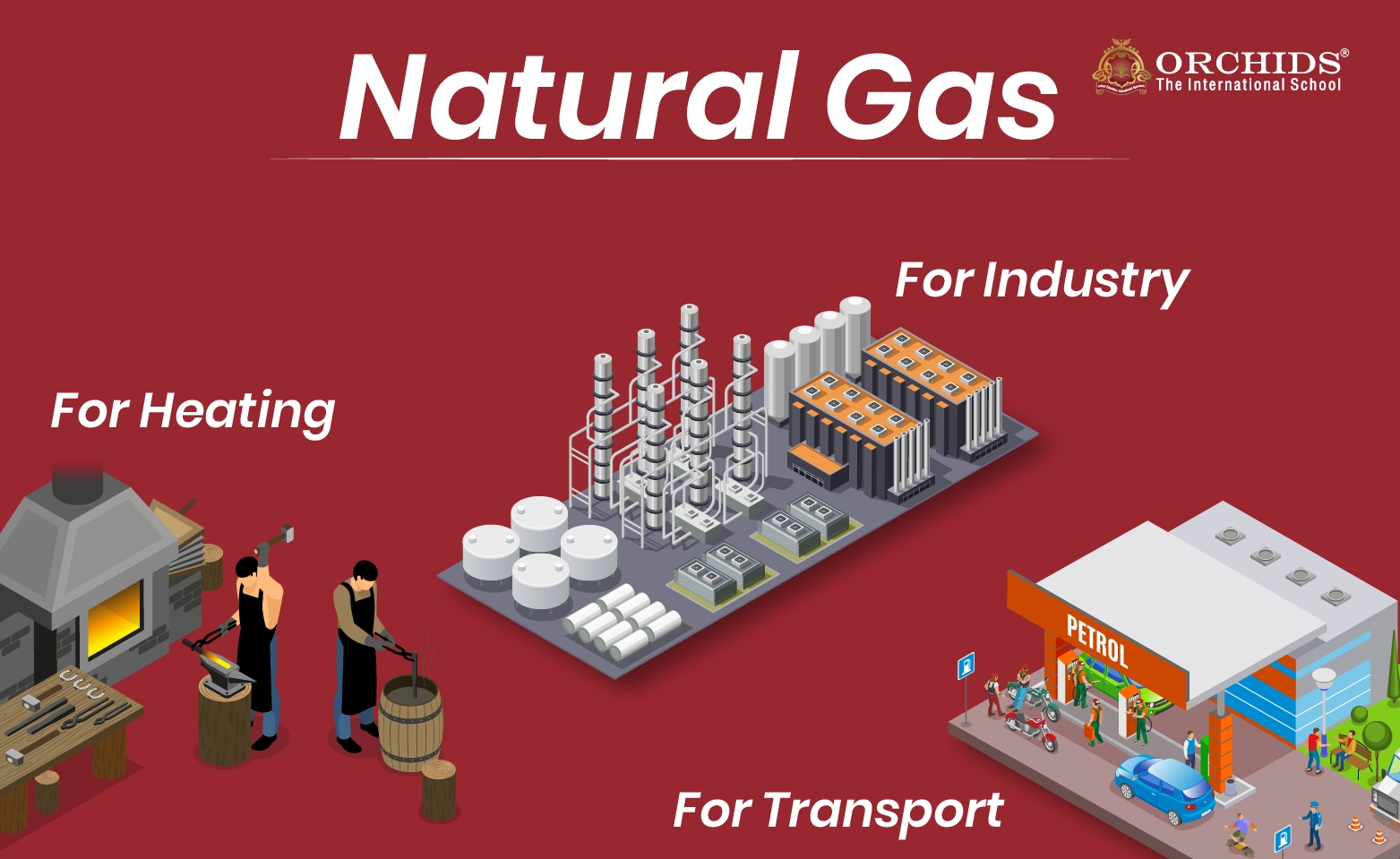
- In Cooking & Heating, it is used in homes for stoves, geysers, heaters, and hot water systems due to its clean and instant flame.
- In Electricity Generation,Powers gas-based plants that operate efficiently, start quickly, and emit fewer greenhouse gases.
- It provides the consistent heat for glass manufacturing, steel foundries, aluminium smelters, ceramics, and food-processing industries.
- It is used as CNG (Compressed Natural Gas) and LNG (Liquefied Natural Gas) to power buses, cars, and trucks with lower emissions.
Also Read: CNG Full Form
The fact that While fossil fuels are extremely useful, they also have significant environmental impacts:
- Release of carbon dioxide leads to global warming, as burning fossil fuels adds excess CO₂ to the atmosphere and traps heat.
- Air pollution from smoke and toxins harms human health, causing problems like asthma, lung disease, and poor air quality in cities.
- Oil spills severely harm marine life, contaminating oceans, killing fish and birds, and damaging ecosystems for years.
- Coal mining damages land and ecosystems, leading to soil erosion, loss of biodiversity, and destruction of natural habitats.
Read More: Effects of burning fossil fuels
As we learned that fossil fuels coal, petroleum, and natural gas, play a major role in powering our world. From electricity and transportation to industries and daily household needs, their applications are vast and essential.
Frequently Asked Question Uses of Fossil Fuels
1. What are the main uses of fossil fuels?
The main Uses of Fossil Fuels include powering transportation, generating electricity, and supporting industries. These Uses of Fossil Fuels make them essential for everyday life.
2. What are 5 facts about fossil fuels?
Five quick facts are that fossil fuels are ancient, non-renewable, highly efficient, widely used, and pollution-causing. These facts also explain why the use of Fossil Fuels is slowly shifting toward cleaner options.
3. What is the importance of fossil fuels?
Fossil fuels are important because they provide most of the world’s energy and support major industries. Their importance is clear when we look at the vast Uses of Fossil Fuels in homes, factories, and transport.
4. Why are fuels important?
Fuels are important because they help us cook, travel, and run machines that make life easier. Without the use of Fossil Fuels and other fuels, modern living would slow down.
5. What is the most important fossil fuel?
Petroleum is often seen as the most important fossil fuel because it powers vehicles and makes many everyday products. Its role highlights how diverse the Uses of Fossil Fuels are across industries.
6. How long will fossil fuels last?
Fossil fuels may last a few more decades, depending on how fast we use them. As the Uses of Fossil Fuels continue to rise, their reserves keep getting depleted quickly.
7. What will happen if fossil fuels run out?
If fossil fuels run out, electricity, transport, and industries could face major disruptions. This is why we must reduce the use of Fossil Fuels and move toward cleaner energy sources.
8. How old can fossil fuels be?
Fossil fuels can be millions of years old, formed from ancient plants and animals. Their age explains why the use of Fossil Fuels must be managed wisely, as they take ages to form again.
9. How much fuel is left on Earth?
Earth still has fossil fuel reserves, but they are shrinking faster than expected. The remaining amount depends on global demand and the Uses of Fossil Fuels in different sectors.
Science isn't just a subject, it's the way of seeing the world. Curious how Orchids The International School teaches it that way? Talk to our admissions team.
Admissions Open for 2026-27
What type of concept pages would you prefer?
CBSE Schools In Popular Cities
- CBSE Schools in Bangalore
- CBSE Schools in Mumbai
- CBSE Schools in Pune
- CBSE Schools in Hyderabad
- CBSE Schools in Chennai
- CBSE Schools in Gurgaon
- CBSE Schools in Kolkata
- CBSE Schools in Indore
- CBSE Schools in Sonipat
- CBSE Schools in Delhi
- CBSE Schools in Rohtak
- CBSE Schools in Bhopal
- CBSE Schools in Aurangabad
- CBSE Schools in Jabalpur
- CBSE Schools in Jaipur
- CBSE Schools in Jodhpur
- CBSE Schools in Nagpur
- CBSE Schools in Ahmednagar
- CBSE School In Tumkur











Orchids The International School is one of India's leading chains of CBSE and ICSE schools, with 110+ schools across the country.