

Antiseptics and Disinfectants
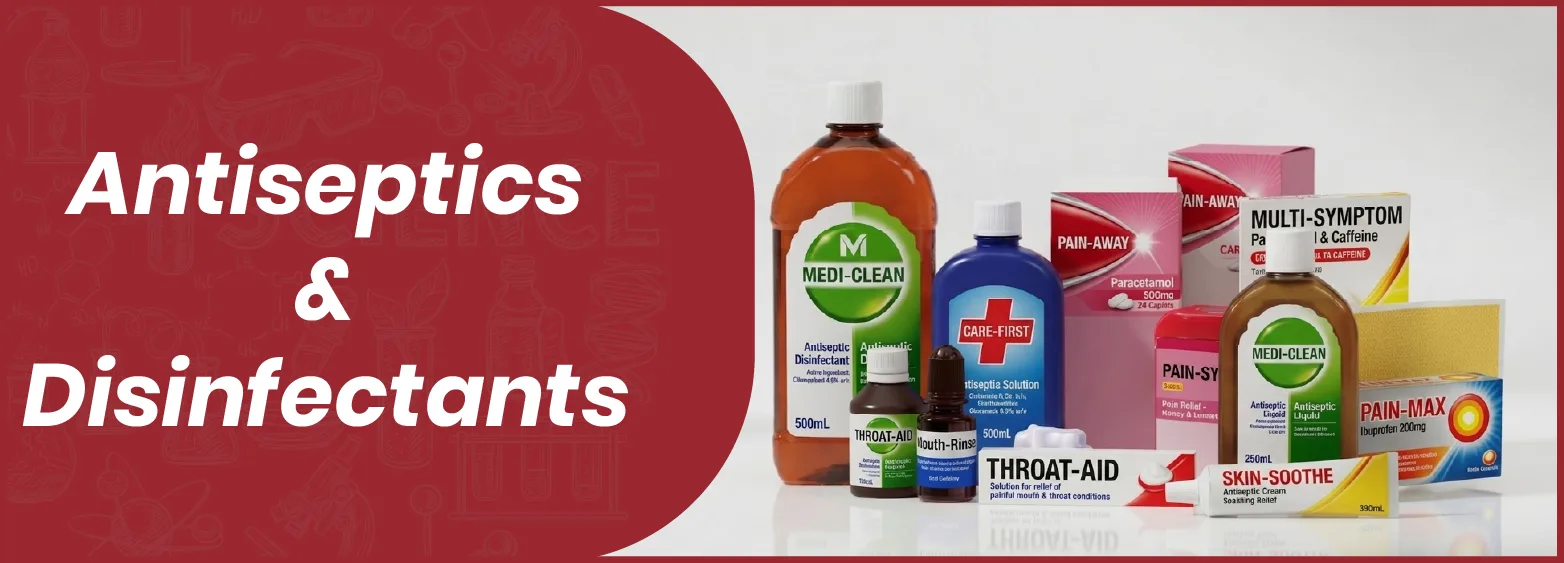
Antiseptics and Disinfectants: Have you ever wondered how even a small cut on your body can expose you to germs and lead to infections? Most of the time, we interact with a wide range of microbes. While some microbes are harmless, some microbes can cause an infection or spread disease. Disinfectants and antiseptics are two powerful modalities we use to keep us safe and healthy, but disinfectants and antiseptics work in different ways and in different settings.
This article is perfect for understanding the differences between them and to learn their uses in our daily lives.
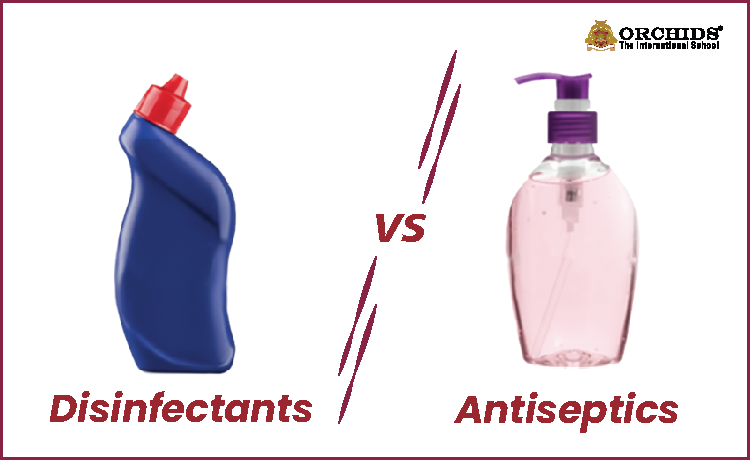
Table of Contents
- About Disinfectants
- About Antiseptics
- Difference between Disinfectants and Antiseptics
- Guidance to handle disinfectants and Antiseptics
- Frequently Asked Questions on Antiseptics and Disinfectants

About Disinfectants
The most interesting thing about disinfectants is that we use them frequently to clean our hospitals, homes, schools, and public spaces. These are chemical agents that kill or inactivate harmful microorganisms on non-living surfaces. Examples of non-living surfaces include countertops, floors, surgical implements, or fixtures in a bathroom. We also frequently use disinfectants to clean our hospitals, homes, schools, and public spaces.
It is important to note that disinfectants may not eliminate every microbe like a steriliser; however, disinfectants reduce microbes to a safe level.
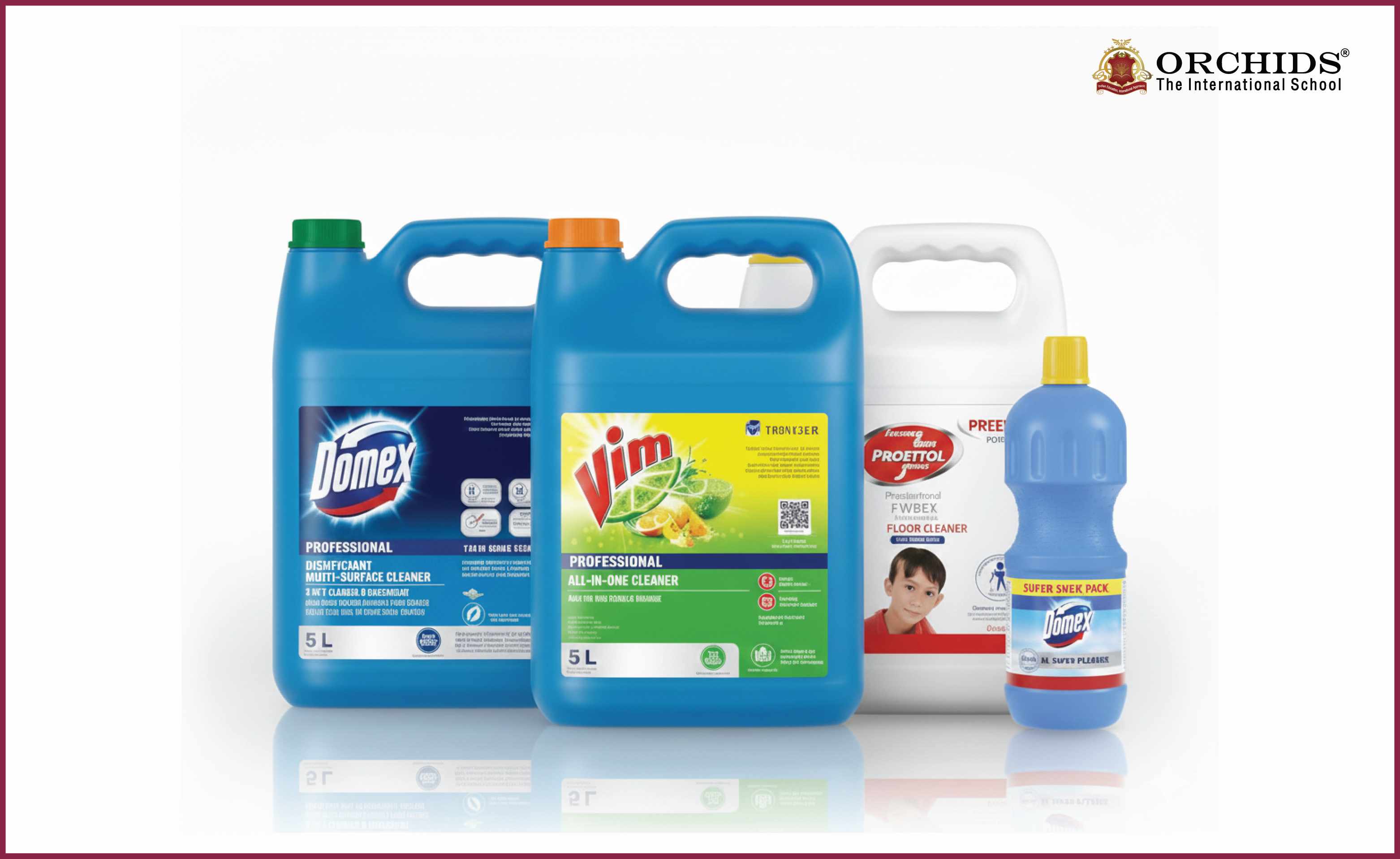
Types of Disinfectants
- Alcohols (Ethanol, Isopropyl): Effective against bacteria and viruses, but evaporate quickly.
- Chlorine Compounds: Strong and fast-acting, ideal for water and surfaces, but can be irritating.
- QACs: Long-lasting and less corrosive, common in household sprays.
- Aldehydes: Used in medical tools, very potent but toxic with prolonged exposure.
- Peroxides: Environmentally friendly and effective.
Disinfectants do this by breaking down cell membranes, denaturing proteins, or damaging microbial DNA.
Important NOTE: Disinfectants are not designed to be applied to human skin, as they can cause burns, irritation, or poisoning.
About Antiseptics
Antiseptics, on the other hand, are meant for use on living tissues. If you’ve ever dabbed some Dettol on a cut or used an alcohol wipe before a vaccine shot, you’ve used an antiseptic.
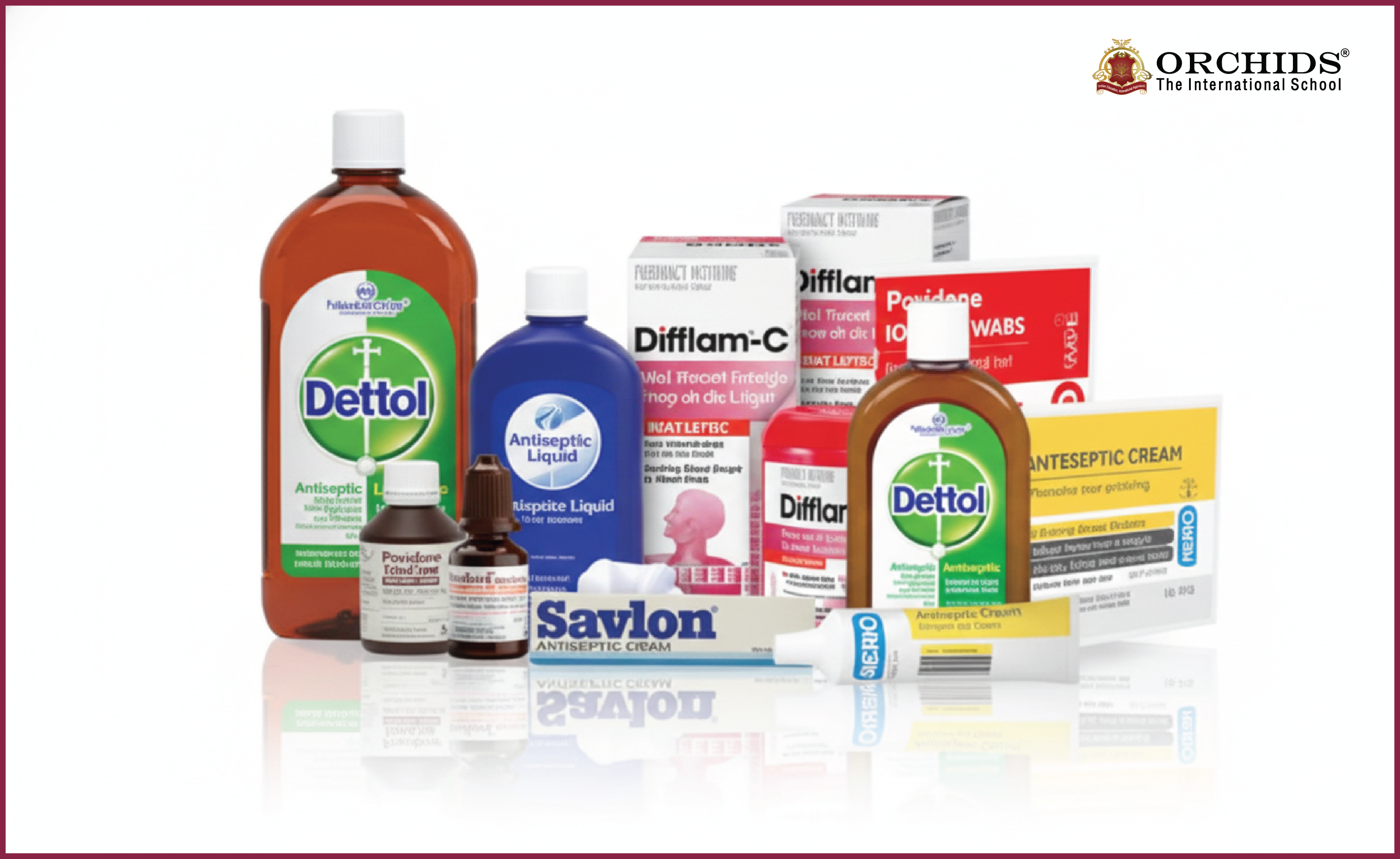
They help prevent infection by killing or inhibiting the growth of microbes on the skin, wounds, or mucous membranes.
Types of Antiseptics
- Chlorhexidine: Long-lasting protection, used before surgical procedures.
- Povidone-iodine: Broad-spectrum action, ideal for wound cleaning.
- Alcohols: Quick-cleaning action, especially for injections.
- Natural options: Tea tree oil or honey (in minor cases).
Difference between Disinfectants and Antiseptics:
Let's learn and study about their differences at a glance :
|
Feature |
Disinfectants |
Antiseptics |
|
Used On |
Non-living objects |
Living tissue (skin, wounds) |
|
Concentration |
Higher can be harsh or toxic |
Lower, safe for skin |
|
Goal |
Kill or reduce microbes on surfaces |
Prevent infection in living tissue |
|
Examples |
Bleach, Lysol, QACs |
Dettol, Betadine, alcohol wipes |
Guidance to handle Disinfectant and Antiseptics:
- Always check the label; Just because it smells clean doesn’t mean it’s safe for skin.
- Don’t mix disinfectants; some combinations release harmful fumes.
- When in doubt, use antiseptics only on your body and disinfectants only on surfaces.
- For eco-conscious users, choose biodegradable disinfectants or plant-based antiseptics.
Disinfectants and antiseptics may seem similar, but they serve very different (and crucial) roles in keeping us healthy. Disinfectants clean the world around us; antiseptics protect the skin we live in. When used properly, both are essential in preventing infection and ensuring safety from your kitchen to the hospital.
Frequently Asked Questions on Antiseptics and Disinfectants
1. What is important to know about antiseptics?
Antiseptics are safe to use on your skin to clean wounds and prevent infections, but they’re not meant to go inside your body or be used too often.
2. What are the important points of disinfectant?
Disinfectants are great at killing germs on surfaces like tables, floors, or handles, but they can be harsh, so never use them on your skin.
3. Which antiseptic is most effective?
That depends on what you’re using it for. Alcohol works fast, while iodine and chlorhexidine are better for longer protection, especially on deeper wounds or before surgery.
4. What is the difference between antiseptics and disinfectants?
Both are used to fight germs; antiseptics help protect our bodies, and disinfectants help keep our surroundings safe and clean.
5. Can I use disinfectant as an antiseptic in an emergency?
Only as a last resort and very carefully. Some disinfectants can damage your skin, so it’s safer to stick to antiseptics when treating cuts or scrapes.
6. How often should I use antiseptics or disinfectants?
Use antiseptics when you have a cut, wound, or before an injection. Disinfectants are better for regular cleaning of household surfaces to keep germs away.
Science isn't just a subject, it's the way of seeing the world. Curious how Orchids The International School teaches it that way? Talk to our admissions team.
Admissions Open for 2026-27
What type of concept pages would you prefer?
CBSE Schools In Popular Cities
- CBSE Schools in Bangalore
- CBSE Schools in Mumbai
- CBSE Schools in Pune
- CBSE Schools in Hyderabad
- CBSE Schools in Chennai
- CBSE Schools in Gurgaon
- CBSE Schools in Kolkata
- CBSE Schools in Indore
- CBSE Schools in Sonipat
- CBSE Schools in Delhi
- CBSE Schools in Rohtak
- CBSE Schools in Bhopal
- CBSE Schools in Aurangabad
- CBSE Schools in Jabalpur
- CBSE Schools in Jaipur
- CBSE Schools in Jodhpur
- CBSE Schools in Nagpur
- CBSE Schools in Ahmednagar
- CBSE School In Tumkur











Orchids The International School is one of India's leading chains of CBSE and ICSE schools, with 110+ schools across the country.