

Uses of Benzoic Acid: Domestic and Industrial Applications Explained with Benefits
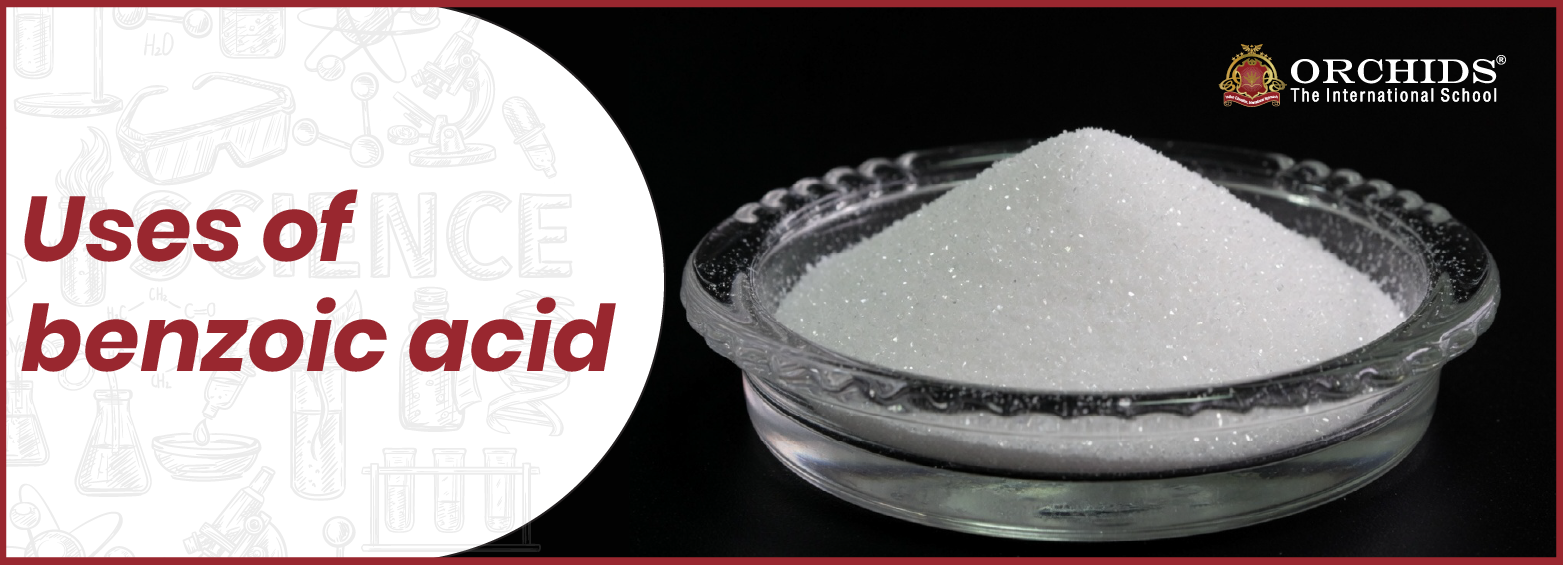
Benzoic acid is a simple yet powerful organic compound that appears as white, crystal-like flakes. You may notice in everyday products, from soft drinks and jams to medicines and cosmetics. Even though it looks ordinary, benzoic acid plays an important role in protecting food, fighting germs, and supporting various industries.
This article focuses on the uses of benzoic acid, with an overview of what benzoic acid is, where it is used, and why it matters in daily life, science, and industry.
Table of Contents

What is Benzoic Acid?
When it comes to appearance, Benzoic acid (C₇H₆O₂) is a white, crystalline organic compound that belongs to the family of carboxylic acids.
Do you know the fact that it was originally obtained from gum benzoin, a natural resin, and later produced from coal tar? Today, it is mostly manufactured industrially through controlled chemical reactions.
Here's the brief about the structure of Banzoic acid
Benzoic acid has a very simple structure as it contains a benzene ring (C₆H₅) attached to a carboxyl group (-COOH).
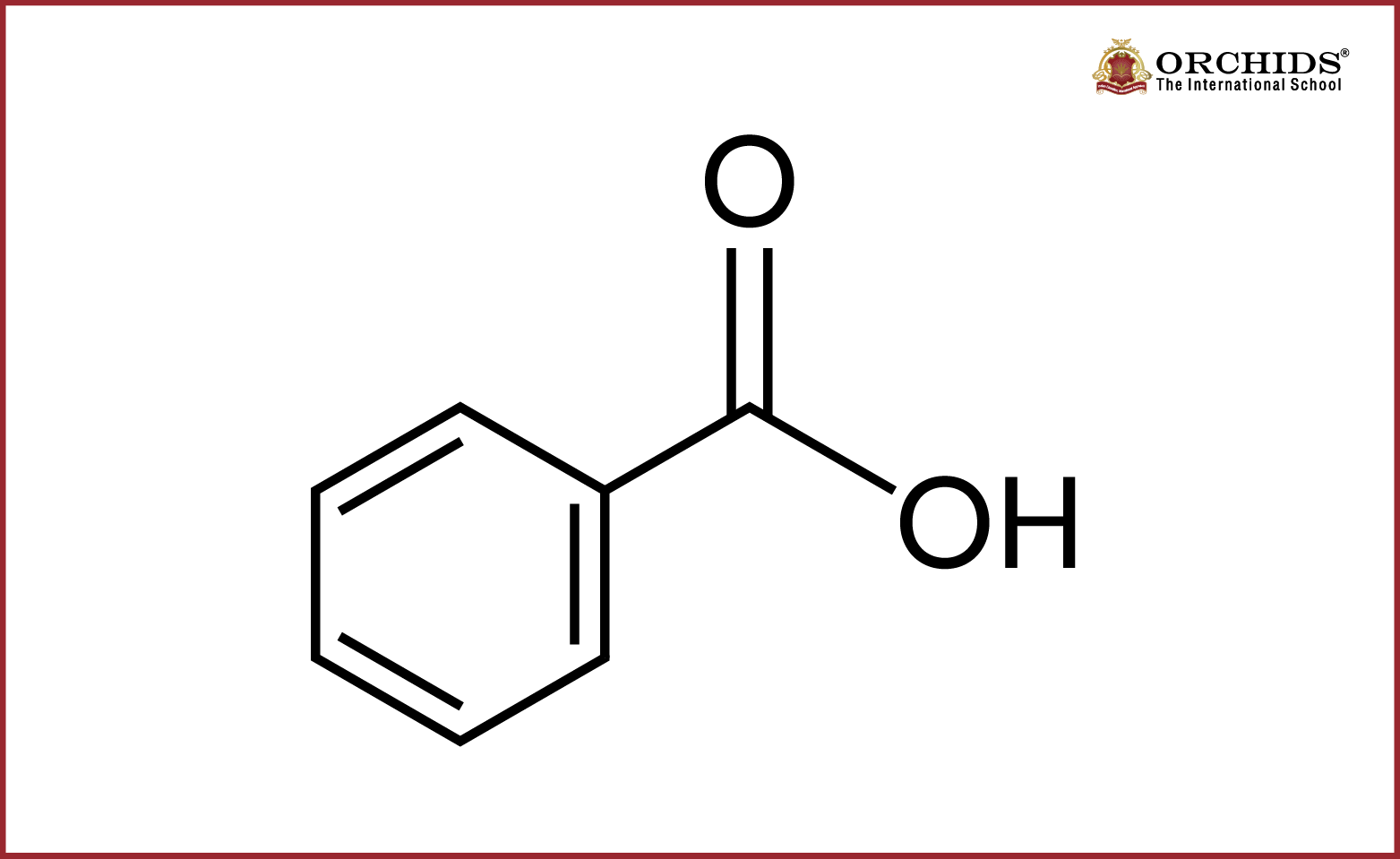
The benzene ring makes it stable and aromatic, while the -COOH group gives it acidic and preservative properties. This combination is what makes benzoic acid useful in food, medicine, and industry.
Intrestingly, it has a mild pleasant smell, dissolves slowly in water, and shows strong antifungal and antibacterial properties, making it highly useful as a preservative and protective agent.
Let's discuss how the use of benzoic acid serves effectively in different sectors.
Major Uses of Benzoic Acid
Benzoic acid in everyday use includes:
- Benzoic acid is used in certain batteries because it helps improve
- their performance and chemical stability.
- It is added to air fresheners and scented candles to enhance fragrance and improve product quality.
- Carpet and floor cleaners use benzoic acid to prevent microbial growth and maintain hygiene.
- Industries use benzoic acid to create dyes, perfumes, plastics, and protective coatings.
- It also helps in making corrosion inhibitors, which protect metals from rusting.
Benzoic Acid in Food
Benzoic acid naturally occurs in berries, cloves, and cinnamon, helping them stay fresh longer.
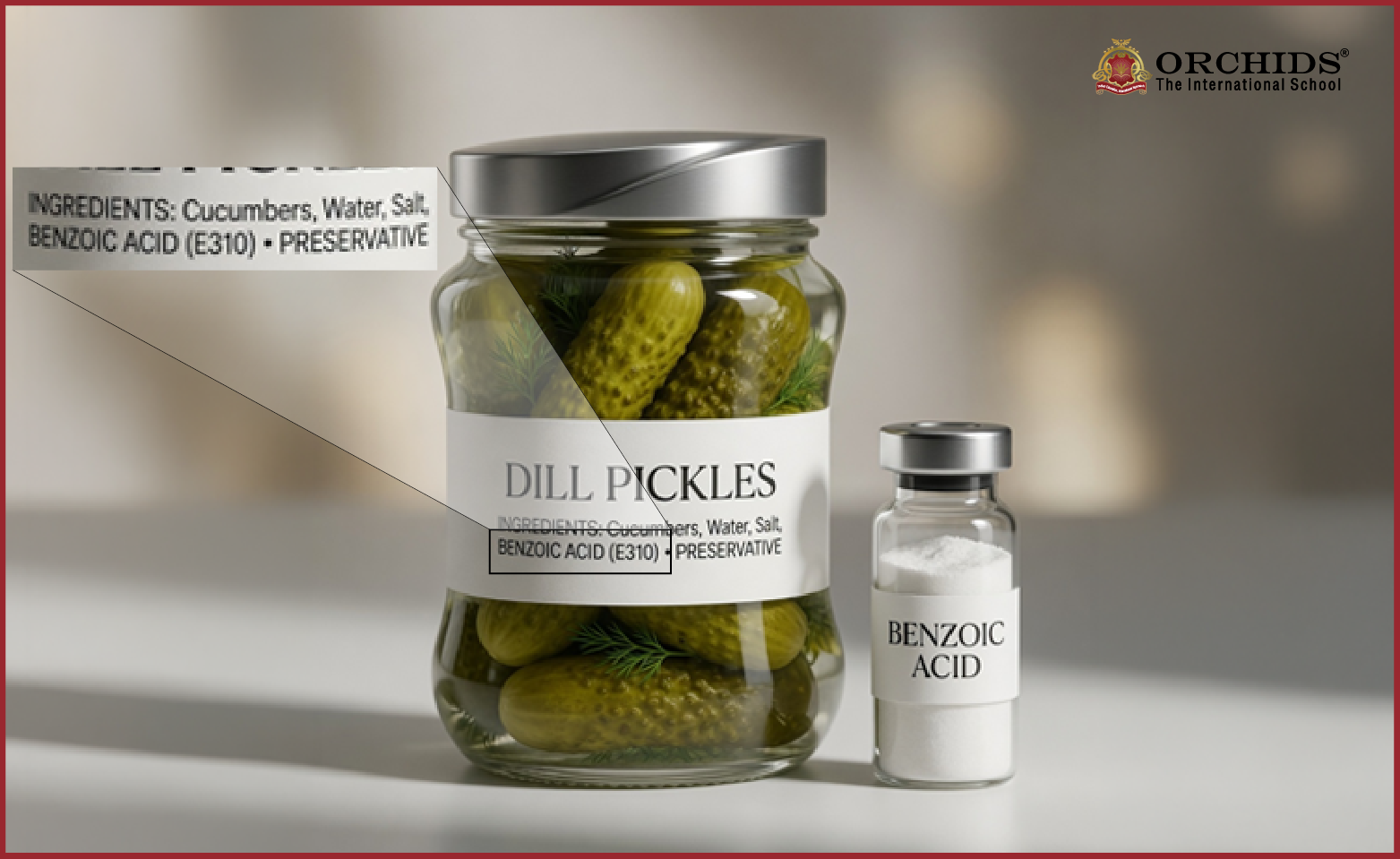
- The food industry uses it as a preservative to stop bacteria, mould, and yeast from growing.
- It is commonly added to soft drinks, juices, pickles, dressings, jams, and sauces to increase their shelf life.
Do you know? Ancient embalming materials contained benzoic acid–rich resins, which helped slow down bacterial decay.
Benzoic Acid in Medicine & Healthcare
It is used as a preservative in medicines to keep them safe and effective for longer.
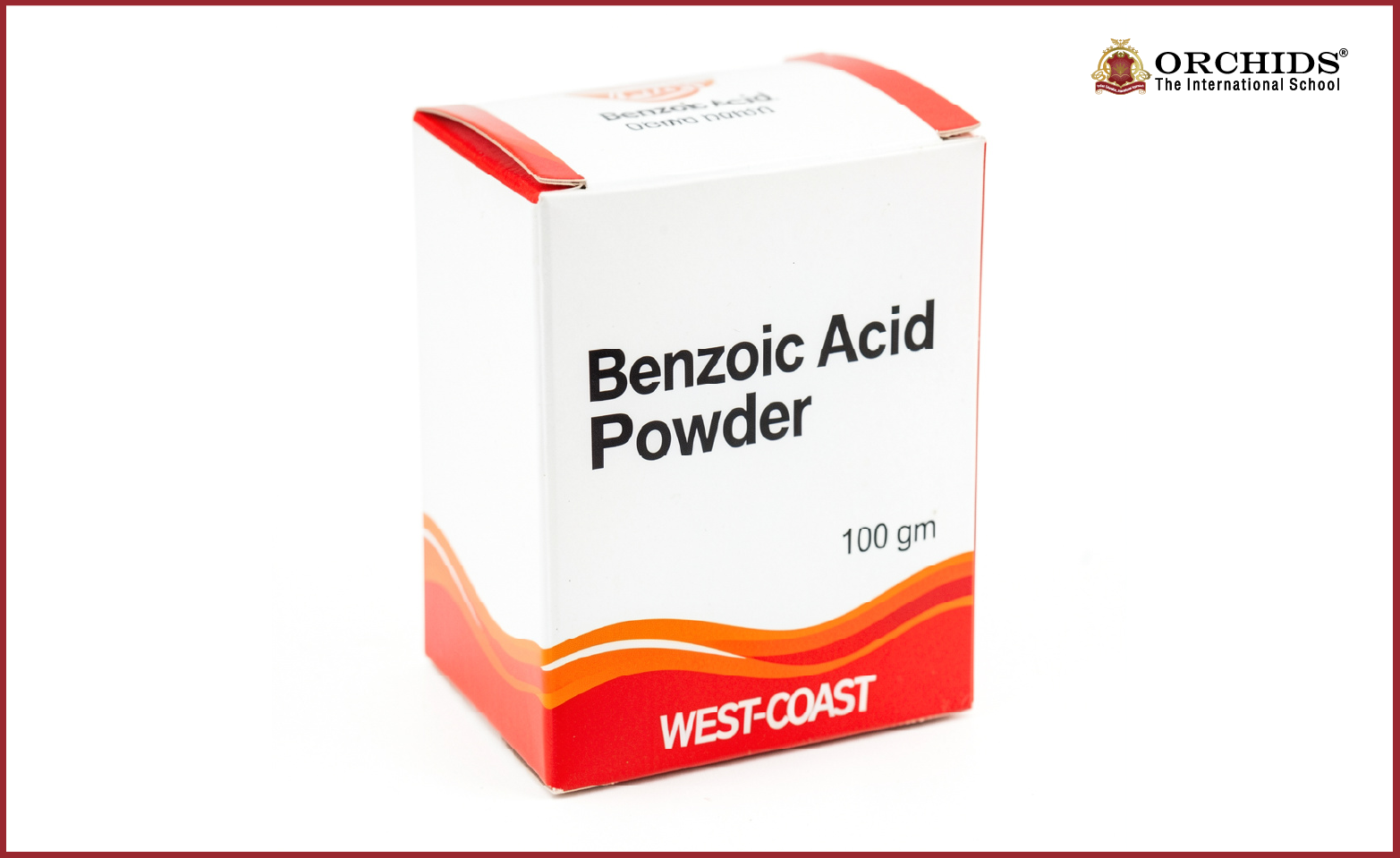
- Skincare, baby care, hair care, and cleansing products use benzoic acid for its gentle antimicrobial action.
- It helps maintain hygiene in soaps, detergents, and cosmetic products.
- Benzoic acid acts as an antifungal agent to treat skin issues like ringworm and athlete’s foot.
- It helps prevent bacterial infections and soothes skin irritations from insect bites and burns.
- Inside the body, it converts to hippuric acid, which is safely removed by the body without causing harm.
Do you know, Small amounts of benzoic acid are present in milk, eggs, and even human metabolism through the breakdown of certain amino acids.
Other Uses of Benzoic Acid
When it comes to uses of benzoic acid, it is added to toothpaste, perfumes, and cosmetic products for freshness and stability.
- Benzoic acid is used in agriculture to protect crops and as a preservative in poultry feed.
- It supports the creation of dyes, plastic materials, and industrial additives used in many products.
- Beverages, jams, and packaged foods use benzoic acid to increase shelf life and keep products safe.
Read More: Uses of Acetic Acid
As we learned how Benzoic acid may appear simple, but its uses span across food, medicine, industry, and daily life. From keeping our food fresh to helping treat skin infections, it quietly supports hygiene, safety, and product quality. With its wide range of benefits, benzoic acid remains one of the most important organic compounds in chemistry.
Frequently Asked Questions on Uses of Benzoic Acid
1. What are the main uses of benzoic acid?
The main uses of benzoic acid include preserving food, protecting products from germs, and supporting industries like cosmetics and plastics. Many daily items around us rely on the uses of benzoic acid to stay safe, fresh, and long-lasting.
2. What are the important reactions of benzoic acid?
Benzoic acid undergoes reactions like esterification, neutralisation, and reduction, which help create perfumes, salts, and alcohols. These reactions expand the uses of benzoic acid in industries such as medicines, fragrances, and chemical manufacturing.
3. What are some interesting facts about benzoic acid?
One interesting fact is that benzoic acid occurs naturally in berries and spices like cinnamon. Another fun point is that many uses of benzoic acid come from its ability to stop harmful microorganisms from growing.
4. What is the common name of benzoic acid?
Benzoic acid is commonly known simply as "benzoate" when used in salt form. This name is widely seen on food labels where uses of benzoic acid involve preservation.
5. Why is it called benzoic acid?
It is called benzoic acid because it was first obtained from gum benzoin, a natural resin. The name reflects both its origin and the early uses of benzoic acid in traditional medicine.
6. What type of drug is benzoic acid?
Benzoic acid works as an antifungal and antibacterial agent in medicines. It is often used in ointments and creams, where the uses of benzoic acid include protecting skin from infections.
Science isn't just a subject, it's the way of seeing the world. Curious how Orchids The International School teaches it that way? Talk to our admissions team.
Admissions Open for 2026-27
What type of concept pages would you prefer?
CBSE Schools In Popular Cities
- CBSE Schools in Bangalore
- CBSE Schools in Mumbai
- CBSE Schools in Pune
- CBSE Schools in Hyderabad
- CBSE Schools in Chennai
- CBSE Schools in Gurgaon
- CBSE Schools in Kolkata
- CBSE Schools in Indore
- CBSE Schools in Sonipat
- CBSE Schools in Delhi
- CBSE Schools in Rohtak
- CBSE Schools in Bhopal
- CBSE Schools in Aurangabad
- CBSE Schools in Jabalpur
- CBSE Schools in Jaipur
- CBSE Schools in Jodhpur
- CBSE Schools in Nagpur
- CBSE Schools in Ahmednagar
- CBSE School In Tumkur











Orchids The International School is one of India's leading chains of CBSE and ICSE schools, with 110+ schools across the country.