

Uses of Acetic Acid : Industrial and Everyday Applications Explained
Acetic acid, commonly known as ethanoic acid (CH₃COOH) , is a clear, sharp-smelling organic acid that we encounter almost every day, mostly in the form of vinegar. Although it is considered a weak acid, its applications are incredibly strong. Everyone might not be aware, but from food preservation to medicine, textile manufacturing, cleaning, and even laboratory research, acetic acid plays an essential role in multiple fields.
This article focuses importantly on uses of acetic acid along with the chemistry of what acetic acid is, and why it is so widely used and how it influences different industries.
Table of Contents

What Is Acetic Acid?
Acetic acid (CH₃COOH), also called ethanoic acid or methane carboxylic acid, is a colourless liquid with a strong, pungent odour. It is an organic compound found naturally in vinegar, where it contributes to the sour taste and sharp smell.
The name “acetic” comes from the Latin word acetum, meaning vinegar. When acetic acid is undiluted, it is known as glacial acetic acid, a highly concentrated and corrosive form. Do you know the fact that, despite being a weak acid, concentrated acetic acid can cause burns and must be handled carefully while dealing with it.
When it comes to the Structure of Acetic Acid,it consists of two main parts:
- A methyl group (CH₃-)
- A carboxyl group (-COOH)
These two groups give acetic acid its acidic properties and ability to form esters, salts, and other useful compounds.
Learn More: Acid, Base and Salts
Uses of Acetic Acid
Acetic acid has a wide range of applications, making it one of the most important organic acids used globally. Its uses can be understood across different sectors:
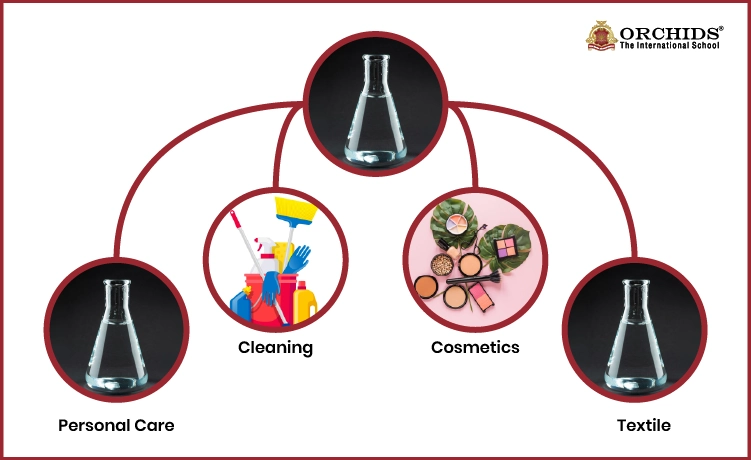
1. Industrial Uses of Acetic Acid; Industrially, acetic acid serves as a key chemical building block. It is used in:
a)In Chemical Manufacturing, Acetic acid is used to make important chemicals such as:
- Acetic anhydride (used in pharmaceuticals, aspirin, cellulose acetate)
- Vinyl acetate monomer (VAM) (used to make adhesives, paints, and coatings)
- Esters like ethyl acetate (solvents for paint, varnish and inks)
b) Acetic acid plays a major role in producingPolymer & Plastic Production
Both are used in adhesives, packaging films, and textile finishes.
- Polyvinyl acetate (PVA)
- Polyvinyl alcohol
c) Purifying Organic Compounds,Since acetic acid is an excellent solvent, it is used for recrystallisation, helping to purify compounds in the chemical industry and research labs.
2. Acetic acid has several important roles in the medical field:
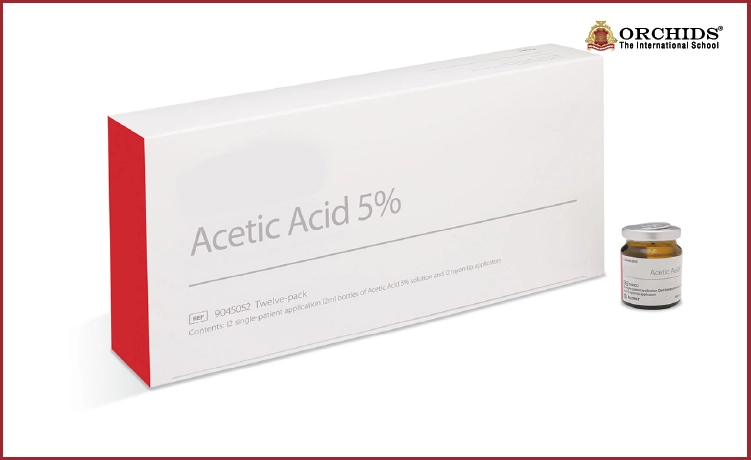
a)Do you know it contributes to Antiseptic Properties, asA dilute acetic acid solution works as an antiseptic effective against:
- Staphylococci
- Streptococci
- Enterococci
- Pseudomonas
This helps clean wounds and prevent bacterial infections.
b) Some studies suggest that consuming vinegar (dilute acetic acid) can help regulate blood sugar levels after meals.
3. Acetic acid is widely used in food processing because it is safe in dilute amounts and acts as a natural preservative.

a) Pickling Agent, like Vinegar, which contains 4 to 8% acetic acid, is a common pickling medium that prevents bacterial growth.
b) The fact that Acidulant in Food Products, asAcetic acid, is added to enhance flavour and maintain stability, such as in Ketchup, Mustard, Mayonnaise, Salad dressing, and Cheese-making.
c) It also serves the Baking Application. What happens is that Acetic acid reacts with alkaline ingredients like baking soda to produce carbon dioxide gas, helping baked goods rise and become fluffy.
4.Household Uses of Acetic Acid, as it is noticeable that in homes, acetic acid appears mainly in the form of vinegar, making it one of the most versatile household items.
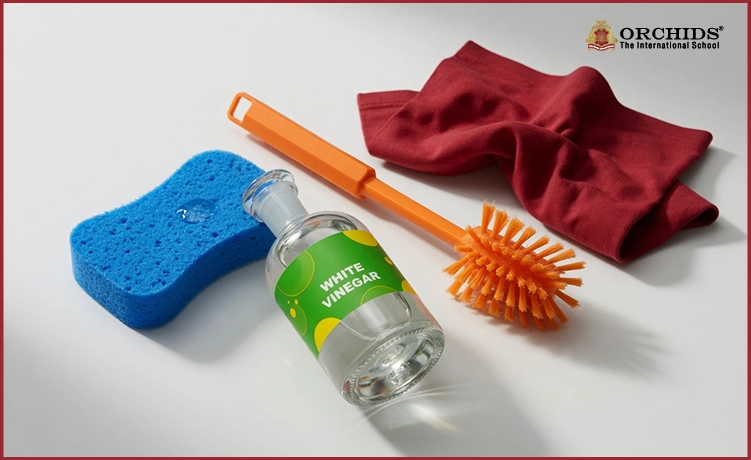
Common household applications include:
- Cleaning glass, tiles, and appliances
- Removing stains and mineral deposits
- Laundry deodorizing
- Cooking and marinating foods
- Disinfecting surfaces
Farmers also spray dilute acetic acid on silage to prevent fungal and bacterial growth.
5. Other Uses of Acetic Acid: Acetic acid also plays a role in several additional industries:
a) It is used in manufacturing printing inks and dyes because of its solvent properties.
b) Acetic acid helps produce esters that give perfumes their pleasant scents.
c) It is used in the vulcanisation of rubber and in certain plastic manufacturing processes.
d) Acetic acid helps control pH during dyeing and helps fibres absorb colour evenly.
Learn More: Uses of Ascorbic Acid and Uses of Acetone
As we learned, Acetic acid might seem like a simple weak acid, but its uses are incredibly diverse and impactful. From food preservation and cleaning to cancer screening, chemical manufacturing, and household applications, acetic acid touches almost every part of our daily lives.
Frequently Asked Questions on Uses of Acetic Acid
1. What are 5 uses for acetic acid?
Acetic acid is widely used for making vinegar, cleaning, food preservation, and in industries like plastics and textiles. These everyday uses of acetic acid show how valuable it is in both homes and factories.
2. How is acetic acid used in everyday life?
In daily life, we unknowingly use acetic acid while cooking, cleaning surfaces, or pickling food. These simple uses of acetic acid make it an essential part of household routines.
3. What are 7 good uses of acids?
Acids help in digestion, cleaning metals, making fertilisers, and producing medicines and plastics. Their chemical power, just like the structure and uses of acetic acid, supports many industries.
4. Why is acetic acid important?
Acetic acid is important because it acts as a preservative, a flavouring agent, and a key industrial raw material.
5. What are the two main types of acid?
Acids are mainly classified as strong acids and weak acids based on how completely they ionise. Weak acids like acetic acid are common examples often studied when learning about the structure and uses of acetic acid.
Science isn't just a subject, it's the way of seeing the world. Curious how Orchids The International School teaches it that way? Talk to our admissions team.
Admissions Open for 2026-27
What type of concept pages would you prefer?
CBSE Schools In Popular Cities
- CBSE Schools in Bangalore
- CBSE Schools in Mumbai
- CBSE Schools in Pune
- CBSE Schools in Hyderabad
- CBSE Schools in Chennai
- CBSE Schools in Gurgaon
- CBSE Schools in Kolkata
- CBSE Schools in Indore
- CBSE Schools in Sonipat
- CBSE Schools in Delhi
- CBSE Schools in Rohtak
- CBSE Schools in Bhopal
- CBSE Schools in Aurangabad
- CBSE Schools in Jabalpur
- CBSE Schools in Jaipur
- CBSE Schools in Jodhpur
- CBSE Schools in Nagpur
- CBSE Schools in Ahmednagar
- CBSE School In Tumkur











Orchids The International School is one of India's leading chains of CBSE and ICSE schools, with 130+ schools across the country.