

Analgesic Types
Analgesic Types: Did you know that the painkillers we take for common body discomforts are called analgesics? These are important and powerful pain relievers in today’s medicine, and many people do not fully understand what these words represent, how their type differs, and why it is important.
This article will clarify the differences between analgesic Types as well as the risks involved in their use, addiction and dependency, to name a few.
Table of Contents
- What is Analgesic
- How do Analgesic Work in the human body
- Analgesic Types
- Things to Know About Opioids and Opiates
- Uses of Analgesics
- Analgesic Side Effects
- Frequently Asked Questions on Analgesic Types

What is an analgesic?
Medicines that relieve pain in the human body undergo pain are called analgesics or painkillers. They relieve pain without depressing the consciousness. Analgesic medications act by altering pain signals produced by the body.
Therefore, the analgesics relieve a wide variety of pain, ranging from minor tension headaches to post-operative pain.
How do Analgesic Work in the human body?
When the body gets hurt or suffers from pain, like aches or muscle cramps, it sends the message through nerves to the brain. That's when it concludes that “Something’s Wrong!” and one can feel the pain.
Then comes the intake of Analgesics (painkillers) to relieve the pain as they work by interrupting these pain messages or by changing how your brain reacts to them.
They are categorised into two main categories:
-
Analgesic Types
- Non-Narcotic Analgesics (Non-Opioids)
These agents are generally recommended for pain that is mild to moderate. It includes
The Nonnarcotic Analgesic medicines, when entering the body, block the production of chemicals known as Prostaglandins, which are released at the site of injury or pain and are responsible for causing swelling, redness, and pain.
Interestingly, enzymes like COX enzymes help Prostaglandins and reduce pain and inflammation, especially in muscles and joints.
-
paracetamol (acetaminophen)
-
NSAIDs (non-steroidal anti-inflammatory drugs)
-
Aspirin
-
Ibuprofen and more
Let's talk about Paracetamol and how it helps the Human body!
All are aware that Paracetamol is also effective in reducing fever, and it is effective for headaches, minor aches and pains. It is usually chosen because it is easy on the stomach.
NSAIDs relieve pain with the reduction of inflammation. Therefore, it is useful in cases of joint pain, sprains, and menstrual cramping.
- Narcotic Analgesics (Opioids)
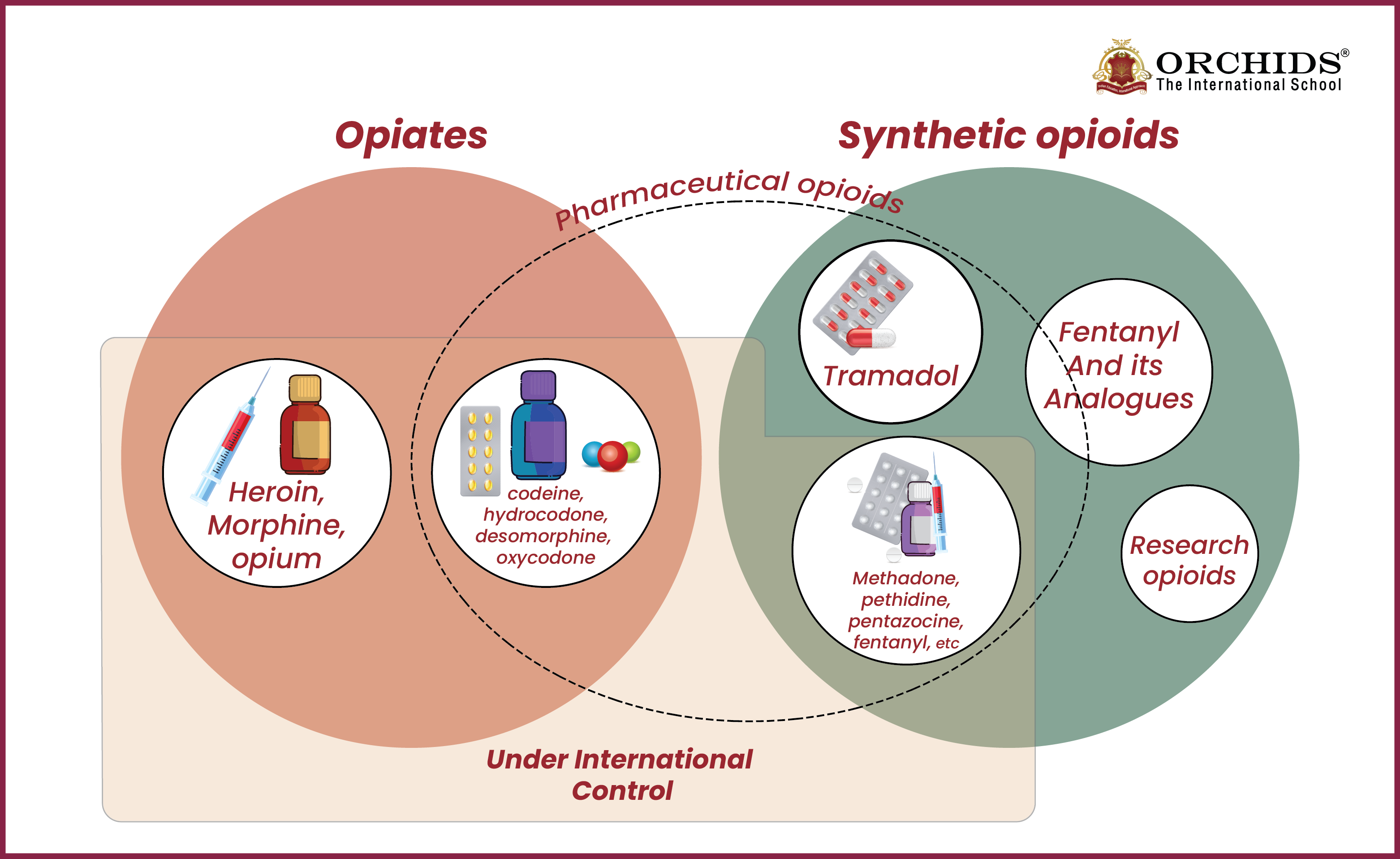
Opioid medications are used for moderate to severe pain and are commonly prescribed after surgeries, serious injuries or cancer treatment.
Opioids can include:
-
Morphine
-
Fentanyl
-
Codeine.
Interestingly, Opioids work by binding to the pain receptors in the brain and nervous system, reducing the feeling of pain.
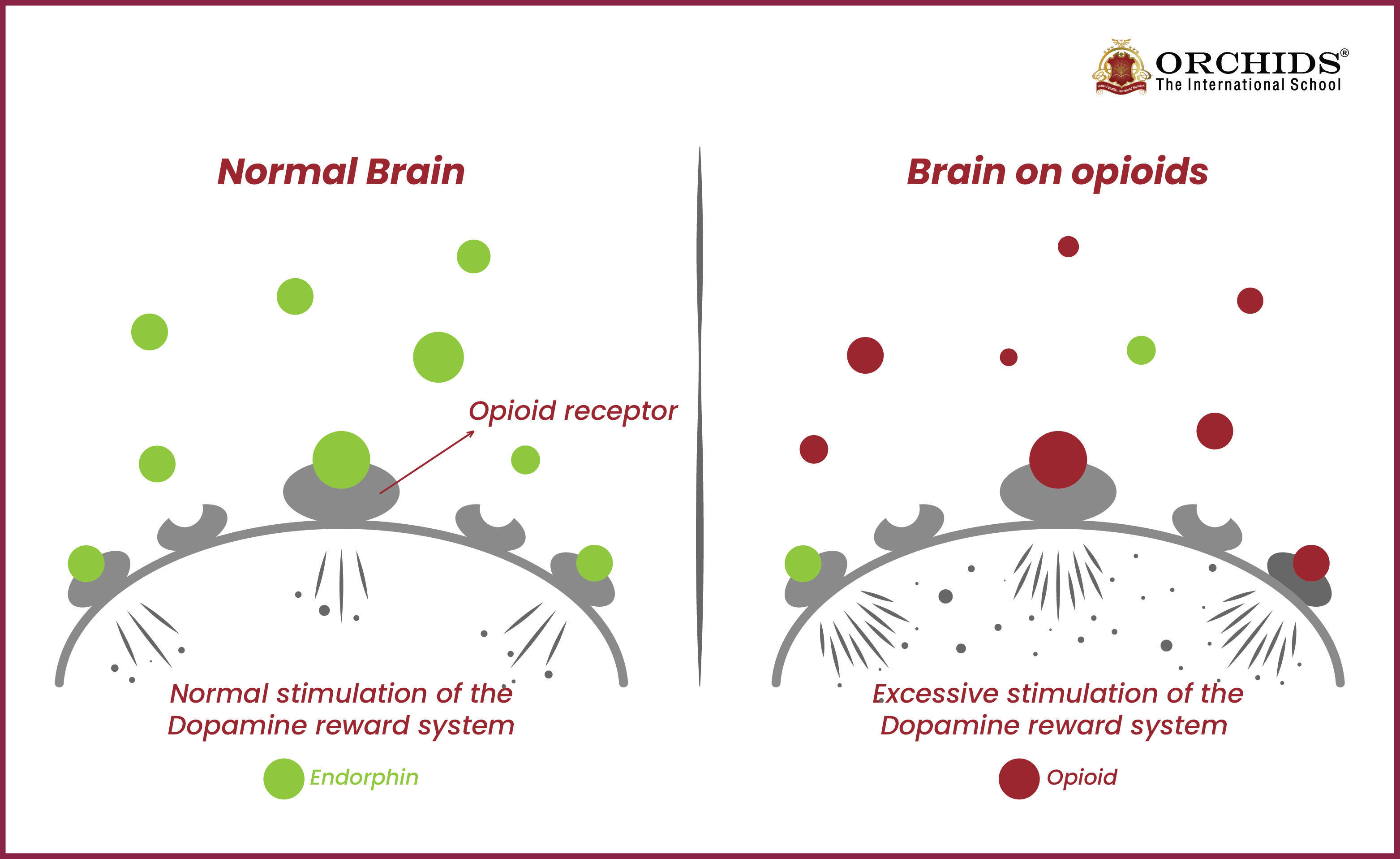
They are powerful medications but require caution since they are all potential drugs of dependency and have side effects.
In simple terms:
-
Non-narcotic painkillers stop the cause of pain at its source.
-
Opioids change how your brain understands pain.
About Opioids and Opiates:
Here's a short glance at opioids and Opiates:
|
Category |
Details |
|
Opiates |
Opiates are derived directly from the natural opium source (such as morphine and codeine). |
|
Opioids include natural, semi-synthetic, and synthetic versions such as oxycodone, heroin, or methadone. |
|
|
Opioids |
Opioids are very effective but carry a high risk of misuse and addiction. |
|
Long-term use can lead to tolerance and dependence, meaning higher doses may be needed over time. |
|
|
These drugs are heavily regulated due to their potential dangers, and they must always be used under medical supervision. |
Uses of Analgesics
As discussed, analgesics are commonly used to ease discomfort caused by many medical conditions. Their versatility makes them some of the most widely prescribed drugs around the world.
Here are some typical uses of Analgesics:
-
Post-surgery pain relief
-
Chronic pain like arthritis or back pain
-
Headaches and migraines
-
Menstrual pain
-
Dental procedures
-
Cancer-related pain
-
Pain from nerve damage or diabetic neuropathy
The choice of analgesics depends on the type, location, and intensity of pain, as well as the individual’s overall health and response to medication.
Analgesic Side Effects
While analgesics can be life-changing in pain management, they aren’t without side effects, especially when overused or taken without medical advice.
➔ Side Effects of NSAIDs:
-
Stomach irritation, ulcers, and sometimes bleeding
-
Can affect kidney health with prolonged use
-
May raise blood pressure
➔ Side Effects of Paracetamol:
-
Usually safe at standard doses
-
Liver damage is a concern if taken in excess or alongside alcohol
➔ Side Effects of Opioids:
-
Can cause drowsiness, nausea, and constipation, which can affect human health
-
High doses may suppress breathing, which can be life-threatening.
Also, Students can check for Antimicrobial Agents in a detailed manner.
Understanding analgesics goes beyond knowing they relieve pain; it's about recognising the balance between their effectiveness and the dangers they pose when misused.
Frequently Asked Questions on Analgesic Types
1. What’s the real job of an analgesic?
Simply put, analgesics help take the edge off pain, whether it’s a headache, a sore back, or something more serious so you can feel more like yourself again.
2. How do these medicines actually stop pain?
They don’t erase the problem, but they calm the pain signals your body sends to your brain, so you don’t feel the discomfort as strongly.
3. Where do analgesics come from and how are they made?
Some are made from natural sources like plants, and others are created in labs. Each one is carefully designed to target pain safely and effectively.
4. What happens in your body when you take an analgesic?
Depending on the type, it might reduce swelling, relax nerves, or change how your brain senses pain. Basically, it helps you feel better while your body heals.
5. Is it okay to take painkillers every day?
For short-term issues, occasional use is usually fine. But if you find yourself relying on them daily, it’s best to check in with a doctor to avoid side effects or long-term risks.
6. Are painkillers and anaesthetics the same thing?
Not really, painkillers help you stay awake and comfortable, while anaesthetics are used to numb your body or put you to sleep during surgery or big procedures.
Science isn't just a subject, it's the way of seeing the world. Curious how Orchids The International School teaches it that way? Talk to our admissions team.
Admissions Open for 2026-27
What type of concept pages would you prefer?
CBSE Schools In Popular Cities
- CBSE Schools in Bangalore
- CBSE Schools in Mumbai
- CBSE Schools in Pune
- CBSE Schools in Hyderabad
- CBSE Schools in Chennai
- CBSE Schools in Gurgaon
- CBSE Schools in Kolkata
- CBSE Schools in Indore
- CBSE Schools in Sonipat
- CBSE Schools in Delhi
- CBSE Schools in Rohtak
- CBSE Schools in Bhopal
- CBSE Schools in Aurangabad
- CBSE Schools in Jabalpur
- CBSE Schools in Jaipur
- CBSE Schools in Jodhpur
- CBSE Schools in Nagpur
- CBSE Schools in Ahmednagar
- CBSE School In Tumkur











Orchids The International School is one of India's leading chains of CBSE and ICSE schools, with 110+ schools across the country.