

Animal Fibre
Animal fibres are produced by animals such as sheep, goats, rabbits and silkworms. More specifically, these fibres include wool and silk and have been used for hundreds of years. Garments made of animal fibres are typically admired for their warmth, texture, elegance and longevity.
This article provides insights into what animal fibres actually are, outlines the main types of animal fibres, and articulates how they differ from vegetable-based fibres.
Table of Contents
- What are Animal Fibres
- Names of Animal Fibres
- How are Animal Fibres Different from Plant Fibres?
- Fun Trick to Remember Animal Fibres
- Frequently Asked Questions on Animal Fibre

What are Animal Fibres?
Animal fibres are natural fibres that are obtained from the hair, fur or secretions of animals. Animal fibres are protein-based. Animal fibres are used to create many textiles, including wool, silk and alpaca. Animal fibres are harvested using a process where animal fibres are sheared, harvested and/or collected without harming the animal.
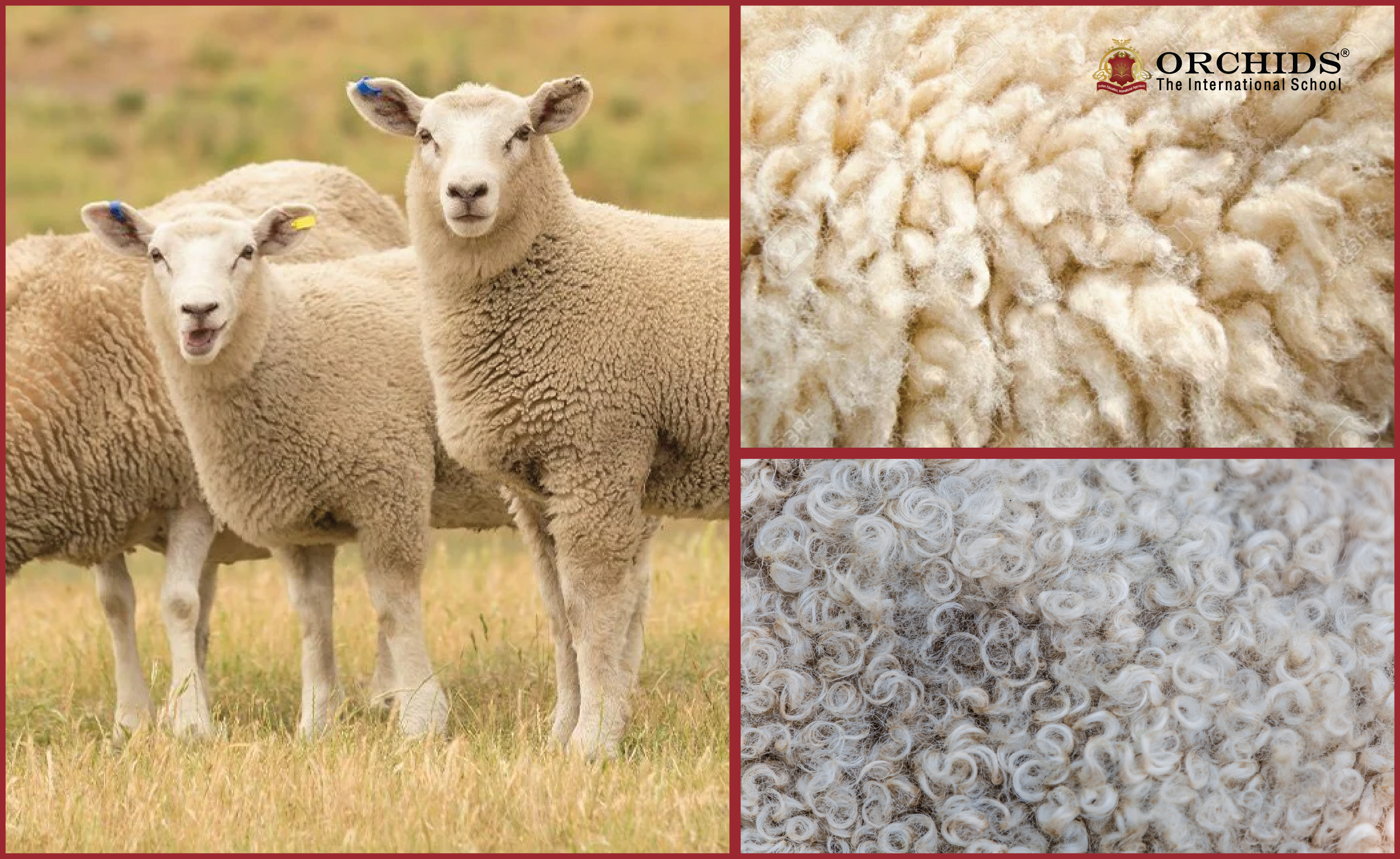
Characteristics that people appreciate in animal fibres are softness, warmth and durability. Hence, animal fibres are very valuable in the clothing and textile industries.
Names of Animal Fibres
Here's an overview:
-
Silk: Silk is one of the finest examples of a natural protein-based fibre. It can be spun into beautiful fabrics and is known for its rich texture and natural sheen.
The most common type of silk comes from the cocoons of silkworm larvae, especially from the Bombyx mori species, which are carefully raised in controlled environments, a process known as sericulture.
Key facts about silk:
-
The fibres obtained from Bombyx mori are degummed and typically range between 5 to 10 micrometres in diameter.
-
Silk's shimmer is due to its triangular prism-like cross-section, which reflects light at different angles, creating that iconic glossy look.
-
The quality of silk heavily depends on the health of the silkworms, which is in turn affected by their diet and living conditions.
Another amazing natural fibre is spider silk. Of all natural fibres, spider dragline silk is one of the strongest. For example:
-
It is said to be over three times tougher than Kevlar and over five times stronger than steel.
-
Ogre-faced spider silk can be stretched over five times its starting length without breaking, so it is both strong and elastic.
-
Wool
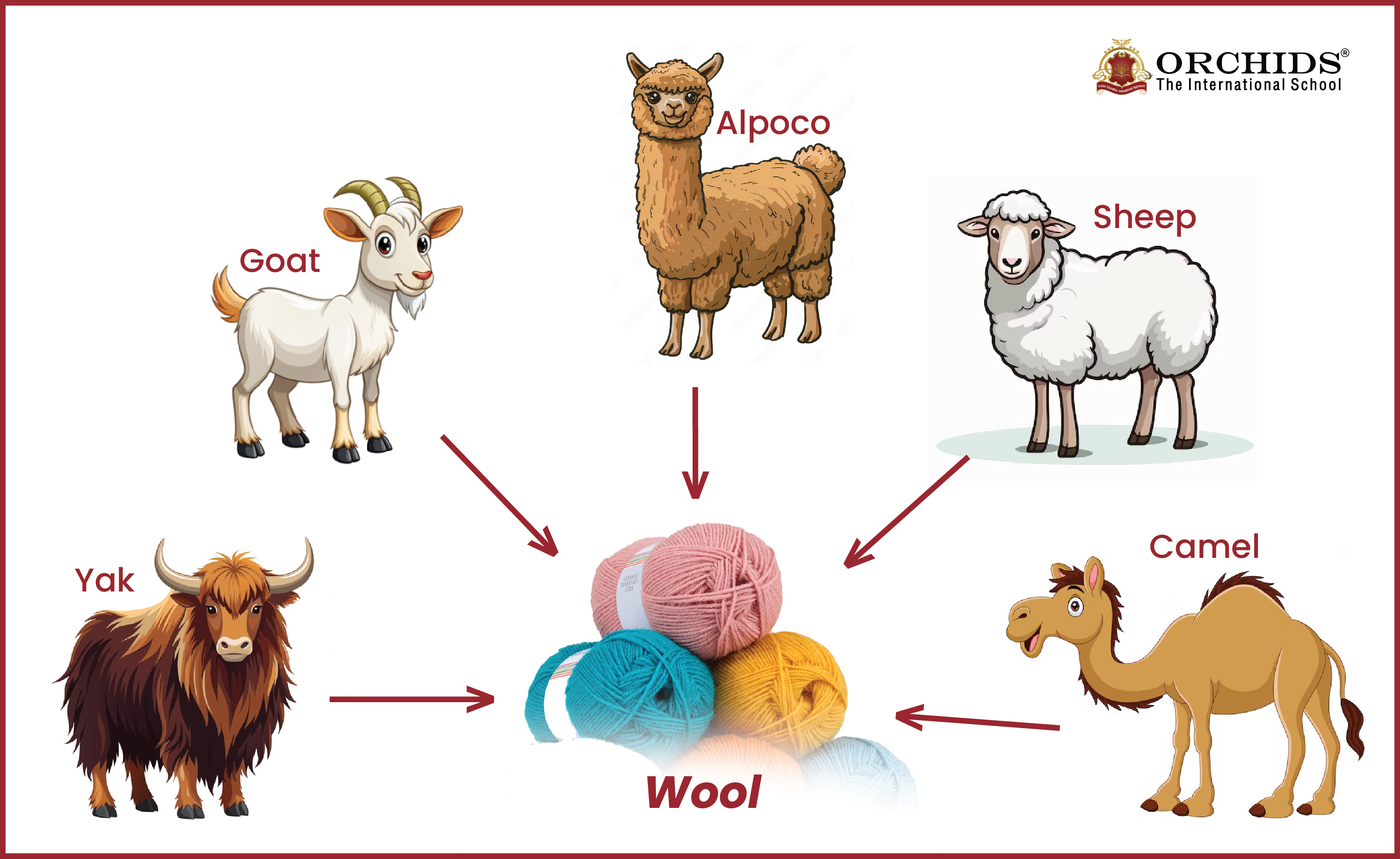
Wool is the general name for the fibres gathered from the fleece of animals in the Caprinae family. It is usually thought of as coming from sheep, but wool can be collected from other animals such as rabbits, goats, and alpacas.
Main Characteristics of wool:
-
Sheep’s wool has overlapping scales, similar to roof shingles, which makes it different from hair.
-
Some kinds of wool have greater than 20 natural crimps (bends) per inch, which accounts for wool's springiness and thermal insulating capability.
-
Wool varies from 17 to 35 micrometres in diameter (thickness).
Types of wool and their properties:
-
Alpaca wool
➔ From alpacas
➔ Lighter and warmer than sheep wool
-
Angora wool
➔ From Angora rabbits
➔ Very soft and luxurious
-
Bison wool
➔ From American bison
➔ Durable and used as the basis to make textiles
-
Cashmere wool
➔ From Cashmere goats
➔ Soft and lightweight
➔ They may have fibre diameters less than 18.5 micrometres
-
Mohair
➔ From Angora goats
➔ Feels silk-like, is strong and durable
➔ Highly lustrous and takes dye beautifully
How is Animal Fibres Different from Plant Fibres ?
Lets understand the key differences between animal and plant fibres:
|
Feature |
Animal Fibres |
Plant Fibres |
|
Source |
Hair or secretion of animals |
Stems, leaves, or seeds of plants |
|
Main Component |
Proteins (like keratin or fibroin) |
Cellulose |
|
Texture |
Soft, elastic, and warm |
Rougher and less flexible |
|
Common Examples |
Wool, silk, alpaca, cashmere |
Cotton, jute, flax, hemp |
|
Biodegradability |
Biodegradable |
Biodegradable |
|
Moisture Absorption |
High |
Moderate to high |
|
Uses |
Winter clothing, luxury fabric |
Everyday textiles, ropes, sacks |
Fun Trick to Remember Animal Fibres
Here's an entertaining way to remember the various animal fibres and their sources:
Consider a "WASP-CALM" scarf. Each letter means:
-
W – Wool (sheep)
-
A – Alpaca
-
S – Silk (silkworm)
-
P – Pashmina (goat)
-
C – Camel hair
-
A – Angora (rabbit)
-
L – Llama
-
M – Mohair (goat)
Till now, we learn that animal fibres add warmth, strength, and softness into the textiles we rely upon in our day-to-day lives. Knowing where they come from and how they are unlike plant fibres helps to acknowledge the skill and craftsmanship in all natural clothing articles. They represent a living example of comfort, durability, and longevity that will continue to inspire contemporary textiles.
Frequently Asked Questions on Animal Fibre
1. Why are animal fibres important?
Animal fibres are soft, warm, and durable, making them perfect for clothing and textiles. They also offer natural insulation and breathability.
2. What is the most commonly used animal fibre?
Wool is the most widely used animal fibre, especially from sheep, thanks to its comfort, warmth, and versatility in fabrics.
3. What is the main component of animal fibre?
Animal fibres are made of proteins like keratin (in wool) or fibroin (in silk), which give them strength and flexibility.
4. Why is fibre important for animals?
Fibres help animals stay protected from cold and harsh weather, while also playing a role in body insulation and comfort.
5. How are animal fibres obtained without harming animals?
Animal fibres like wool and alpaca are usually collected by shearing or combing, which doesn't hurt the animal and is done during natural shedding seasons.
Science isn't just a subject, it's the way of seeing the world. Curious how Orchids The International School teaches it that way? Talk to our admissions team.
Admissions Open for 2026-27
What type of concept pages would you prefer?
CBSE Schools In Popular Cities
- CBSE Schools in Bangalore
- CBSE Schools in Mumbai
- CBSE Schools in Pune
- CBSE Schools in Hyderabad
- CBSE Schools in Chennai
- CBSE Schools in Gurgaon
- CBSE Schools in Kolkata
- CBSE Schools in Indore
- CBSE Schools in Sonipat
- CBSE Schools in Delhi
- CBSE Schools in Rohtak
- CBSE Schools in Bhopal
- CBSE Schools in Aurangabad
- CBSE Schools in Jabalpur
- CBSE Schools in Jaipur
- CBSE Schools in Jodhpur
- CBSE Schools in Nagpur
- CBSE Schools in Ahmednagar
- CBSE School In Tumkur











Orchids The International School is one of India's leading chains of CBSE and ICSE schools, with 110+ schools across the country.