

Effects of Burning Fossil Fuels
Fossil fuels like coal, petroleum, and natural gas have powered human life for centuries, but burning them comes with serious environmental consequences. Every time we use fuels for electricity, transportation, or industry, harmful gases are released into the atmosphere. The fact that these emissions trap heat, pollute the air, damage ecosystems, and affect human health.
This article focuses different effects of burning fossil fuels and why the world is urgently shifting to cleaner energy sources.
Table of Contents
- Fossil Fuel and Its Burning
- Major Effects of Burning Fossil Fuels
- Frequently Asked Questions on Effects of Burning Fossil Fuels

Fossil Fuel and Its Burning
Fossil fuels like coal, petroleum, and natural gas are energy sources formed from the remains of ancient plants and animals buried for millions of years. They are widely used for electricity, transportation, and industrial activities.
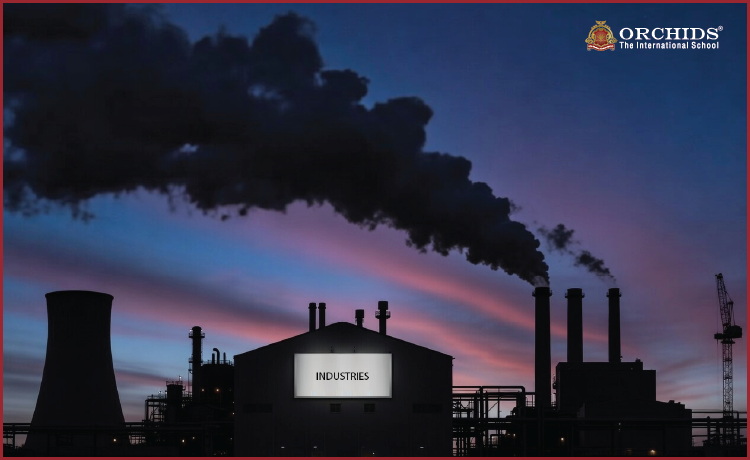
However, burning fossil fuels releases large amounts of carbon dioxide and other harmful gases into the atmosphere. This contributes to air pollution, global warming, and ocean acidification. It also affects human health by causing respiratory and heart-related problems.
Interestingly, while fossil fuels power our modern world, their excessive use creates serious environmental challenges, making it important to shift towards cleaner and renewable energy sources.
Major Effects of Burning Fossil Fuels
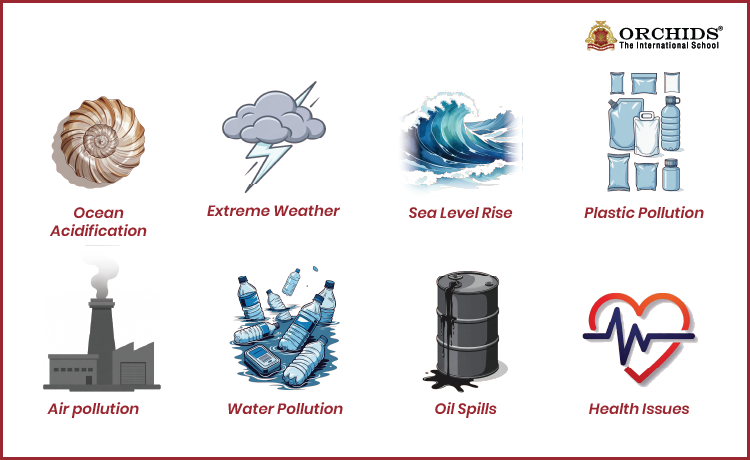
Below are some important causes of fossil fuels:
1.Global Warming & Greenhouse Effect, Burning fossil fuels releases a very large amount of carbon dioxide (CO₂), which is the main greenhouse gas. This CO₂ traps heat inside the atmosphere and stops it from escaping into space, creating what we call the greenhouse effect.
Let's learn the following consequences of Global Warming:
- The Earth’s average temperature increases, making the planet hotter than before.
- Summers become extremely hot, and the weather becomes more unpredictable.
- Heat waves occur more frequently, affecting human health and crops.
- The fact that Water bodies such as lakes and ponds start drying up due to rising temperatures.
This is the most serious long-term impact of burning fossil fuels.
2. Climate Change, Global warming leads to major changes in the Earth’s climate, and burning fossil fuels accelerates these changes.
But what are the visible climate impacts?
- Some regions receive much heavier rainfall than usual.
- Other areas face extreme drought because of reduced rainfall.
- Cyclones and storms become more intense and frequent.
- Seasons shift, confusing farming and natural cycles.
- Forest fires increase because hotter climates dry out plants and forests.
These changes directly affect farming, water availability, and natural ecosystems.
3. Rising Sea Levels happenwhen fossil fuels warm the planet, glaciers and polar ice melt more quickly.
As this ice turns into water, sea levels increase steadily.
Effects of Rising Sea Levels:
- Coastal regions experience more flooding, especially during high tides.
- Small islands gradually become smaller as land gets submerged.
- Some low-lying regions may become unsafe or unfit to live in.
- Millions of people living near coasts face long-term displacement risks.
4. Air Pollution, which isburning coal, petrol, diesel, and natural gas, releases harmful pollutants into the air.
Below are the Major Pollutants Released:
- Sulphur dioxide (SO₂) is released, which irritates the lungs and causes health issues.
- Nitrogen oxides (NOx) enter the air and contribute to smog and acid rain.
- Carbon monoxide (CO) is produced, which reduces oxygen levels in the blood.
- Particulate matter (PM2.5 and PM10) floats in the air and enters the lungs easily.
- Volatile Organic Compounds (VOCs) contribute to ozone formation and smog.
- Toxic metals like lead and mercury get released and settle in the environment.
But these Impact on Humans as well:
- People suffer from asthma and have difficulty breathing.
- Lung infections rise due to polluted air.
- A chronic cough becomes common in high-pollution areas.
- Heart diseases increase because air pollutants enter the bloodstream.
- Smog reduces visibility and creates a grey blanket in cities.
- Hospital visits increase during winter due to poor air quality.
5. Acid Rain happens when thesulfur dioxide and nitrogen oxides released during burning mix with atmospheric moisture. They convert into sulphuric and nitric acids, which fall as acid rain.
But what are the damages caused by acid rain?
- Acid rain slowly corrodes buildings, bridges, and famous monuments.
- Lakes and rivers become acidic, making it hard for aquatic life to survive.
- Fish and other water organisms die due to rising acidity levels.
- Soil loses its natural fertility as acid breaks down nutrients.
- Crop leaves get damaged, reducing agricultural output.
Have you ever noticed how the Famous monuments like the Taj Mahal have been affected by acid rain?

6. Smog Formation happens when Vehicle emissions and factory smoke mix with fog to form smog, especially in crowded cities.
But there are Consequences of Smog, such as:
- Eyes become watery and irritated when exposed to smog.
- Breathing becomes difficult, especially for children and the elderly.
- Visibility becomes very low, affecting road and air travel.
- Asthma attacks become more frequent during smog episodes.
- Schools and flights often close during heavy smog in winter.
7. Water Pollution from Oil Spills.Transporting oil through tankers, ships, and pipelines sometimes leads to leaks.
But what are the Impact of Oil Spills?
- Fish and marine animals die as toxic oil enters their bodies.
- Coral reefs get coated with oil and slowly die.
- Beaches and coastlines get contaminated and lose their natural beauty.
- Ocean ecosystems suffer long-term damage due to reduced oxygen and sunlight.
Do you know? Oil forms a thick layer on water, blocking essential sunlight and air.
8. Soil Degradation, like Ash and chemical residues from fuel burning, settles on land and mixes with the soil.
Soil Degradation has effects on land like:
- Soil loses its fertility because chemicals destroy nutrients.
- Crops grow poorly in contaminated soil.
- Plants absorb toxins, making the food chain unsafe.
- Soil erosion increases as the land becomes weak and lifeless.
- Heavy metals like mercury and lead stay in soil for many years.
9. Ocean Acidification, burning fossil fuels, increases CO₂ in the atmosphere. A large part of this CO₂ is absorbed by oceans, making seawater more acidic. This leads to:
Ocean Acidification has impacts on marine life, like:
- Shellfish like oysters and clams cannot form strong shells.
- Coral reefs weaken, turn white, and eventually die.
- Marine food chains collapse because tiny organisms get affected.
- Fisheries decline, affecting millions who depend on seafood.
That's why Ocean acidification is a silent but very dangerous effect of burning fossil fuels.
10. Health Effects on Humans where the Air pollution from fossil fuel combustion contains tiny particles and toxic gases. These can easily enter our lungs and bloodstream, causing:
Short-term Effects:
- People experience headaches due to poor air quality.
- Breathlessness becomes common during high pollution days.
- Eyes, nose, and throat become irritated.
Long-term Effects:
- Lungs can become permanently damaged due to repeated exposure.
- High blood pressure increases due to stress on the heart.
- The risk of heart attacks rises sharply.
- Some pollutants can even lead to cancer.
- Premature deaths increase in polluted cities.
That's the reason why: Is the World Moving Away from Fossil Fuels?
The world is shifting to clean energy because burning fossil fuels causes global warming, climate change, health problems, habitat destruction, and massive pollution of air, land, and oceans.
This is why countries are adopting renewable energy sources such as solar, wind, hydro, and biomass.
Frequently Asked Questions on Effects of Burning Fossil Fuels
1. What are the harmful effects of burning fossil fuels?
The harmful effects of burning fossil fuels include global warming, air pollution, and health issues like asthma and lung damage. When we ask what are the harmful effects of burning fossil fuels are, we clearly see how the effects of burning fossil fuels impact both people and the planet.
2. Why does burning fossil fuels matter?
Burning fossil fuels matters because the effects of burning fossil fuels directly influence our climate, air quality, and daily life. When we think about what are the harmful effects of burning fossil fuels, it becomes clear why reducing pollution is important for everyone.
3. What is fossil fuel made of?
Fossil fuels are made from ancient plants and animals that were buried and compressed for millions of years. These materials release energy but also contribute to the effects of burning fossil fuels, leading many to ask what are the harmful effects of burning fossil fuels.
4. What is the biggest impact of fossil fuels?
The biggest impact of fossil fuels is the rise in greenhouse gases, which intensifies climate change. This is one of the major effects of burning fossil fuels and helps us understand what are the harmful effects of burning fossil fuels on Earth’s future.
5. What will happen if we stop using fossil fuels?
If we stop using fossil fuels, pollution will decrease, and the environment will slowly begin to heal. Reducing the effects of burning fossil fuels also means lowering what are the harmful effects of burning fossil fuels on our health and climate.
6. What is the number one use of fossil fuels?
The number one use of fossil fuels is energy production for electricity, transport, and industries. This widespread use increases the effects of burning fossil fuels, reminding us once again what are the harmful effects of burning fossil fuels.
7. How long will fossil fuels last?
Fossil fuels may last for a few more decades, depending on consumption and new discoveries. Since the effects of burning fossil fuels are becoming more severe, many people are concerned about what are the harmful effects of burning fossil fuels over time.
8. What is the main source of energy?
Today, the main source of energy is still fossil fuels like coal, oil, and natural gas. However, because the effects of burning fossil fuels keep increasing, people are questioning what are the harmful effects of burning fossil fuels and shifting toward cleaner energy.
9. Who has the most fossil fuels in the world?
Countries like Russia, the United States, and Saudi Arabia hold some of the largest fossil fuel reserves. But even with abundant supplies, these nations also face the effects of burning fossil fuels and must deal with what are the harmful effects of burning fossil fuels globally.
Science isn't just a subject, it's the way of seeing the world. Curious how Orchids The International School teaches it that way? Talk to our admissions team.
Admissions Open for 2026-27
What type of concept pages would you prefer?
CBSE Schools In Popular Cities
- CBSE Schools in Bangalore
- CBSE Schools in Mumbai
- CBSE Schools in Pune
- CBSE Schools in Hyderabad
- CBSE Schools in Chennai
- CBSE Schools in Gurgaon
- CBSE Schools in Kolkata
- CBSE Schools in Indore
- CBSE Schools in Sonipat
- CBSE Schools in Delhi
- CBSE Schools in Rohtak
- CBSE Schools in Bhopal
- CBSE Schools in Aurangabad
- CBSE Schools in Jabalpur
- CBSE Schools in Jaipur
- CBSE Schools in Jodhpur
- CBSE Schools in Nagpur
- CBSE Schools in Ahmednagar
- CBSE School In Tumkur











Orchids The International School is one of India's leading chains of CBSE and ICSE schools, with 110+ schools across the country.