

Uses of Graphite: Properties Explained with Real-Life Examples
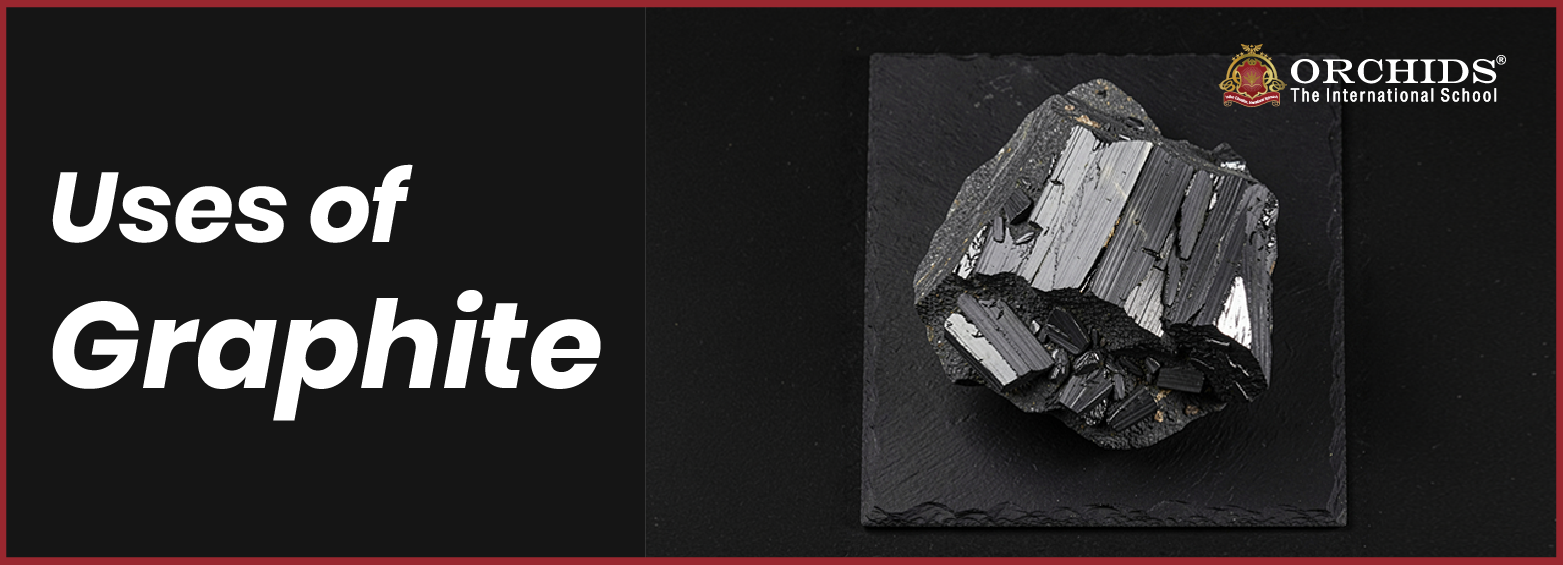
Graphite uses are one of the most interesting forms of carbon. Have you ever noticed that Graphite is often overlooked because of its dull appearance compared to diamonds? Yet, it quietly powers our daily lives and industries in ways we rarely notice. Interestingly! Graphite uses, from the pencil in your hand to the batteries that run electric cars, graphite plays a central role.
This page aims to explain what graphite is, its uses, and its importance in today’s world.
Table of Contents

What is Graphite?
Graphite is one of the most remarkable forms of carbon, known as much for its simplicity as for its versatility. Unlike diamond, graphite appears dull and dark, yet its properties make it far more useful in everyday life and high-tech industries.
Naturally, graphite occurs in shades of black to grey, often with a metallic sheen. Though soft to the touch, it has a great ability to withstand extreme heat without melting, making it indispensable in industries that operate at high temperatures.
Interestingly!! It is this rare blend of softness, conductivity, and heat resistance that makes graphite so extraordinary.
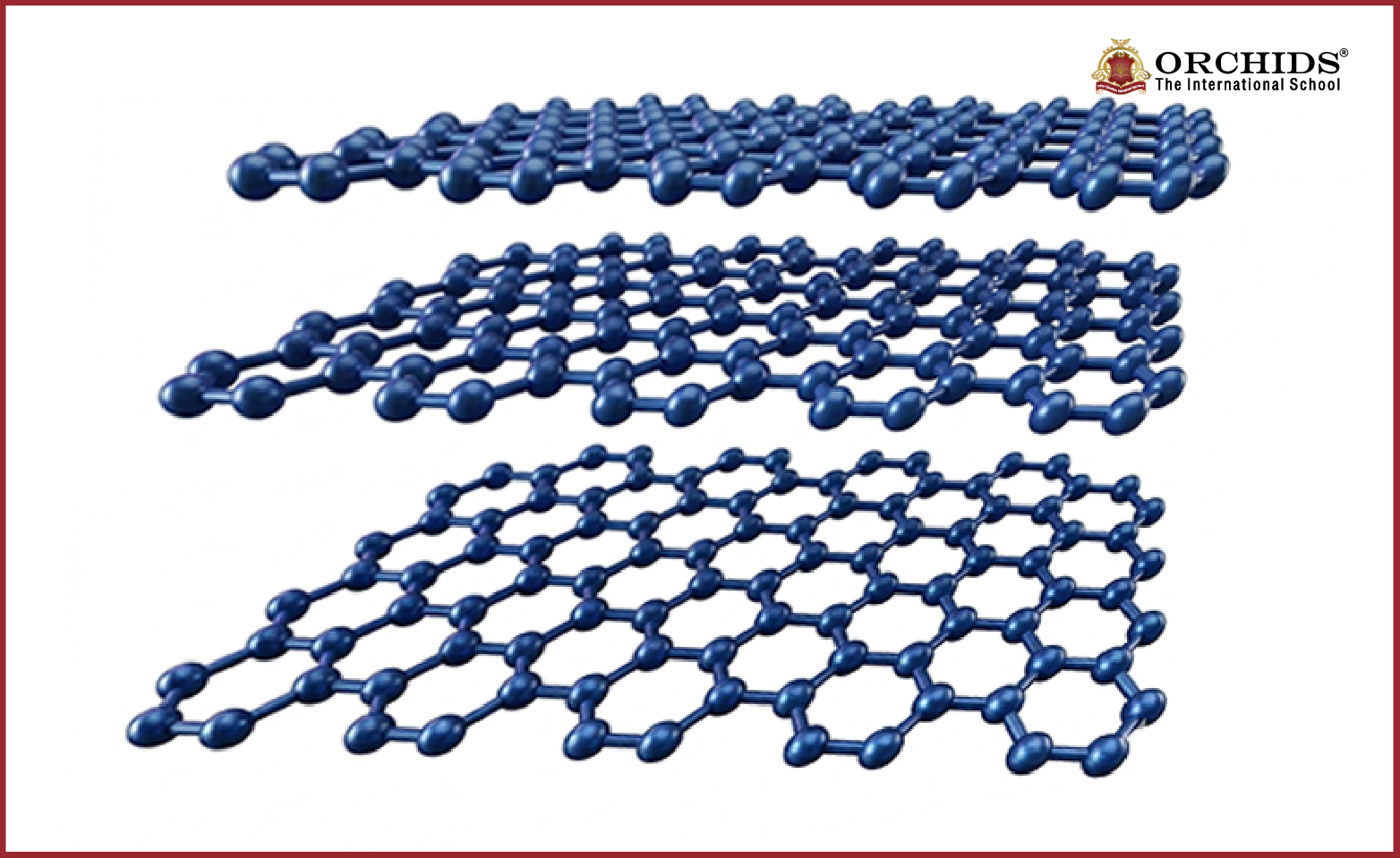
Structurally, graphite is composed of carbon atoms arranged in flat layers (or sheets). Within each sheet, the atoms are bonded strongly, but between the sheets, the bonds are weak. This allows the layers to slide over one another easily, giving graphite its slippery, soft texture.
At the same time, the presence of free electrons in these layers allows graphite to conduct electricity, something most non-metals cannot do.
Also Read: Carbon Compounds
Uses of Graphite
1. Graphite has been synonymous with pencils for centuries. The “lead”in pencils is actually a blend of graphite and clay, carefully balanced to produce different hardness levels. Soft pencils contain more graphite and leave darker marks, while harder pencils contain more clay and give lighter strokes.
.webp)
This adaptability has made graphite the backbone of not just writing tools, but also of artistic sketching, shading, and drafting instruments.
2. Lubricants and Protective Coatings;Because of its layered structure, graphite works as an excellent dry lubricant. The sheets of carbon atoms slide smoothly over one another, reducing friction between surfaces.
.webp)
Unlike oil-based lubricants, graphite does not evaporate, decompose, or burn at high temperatures, which makes it ideal for heavy machinery, locks, and gears.
On top of that, graphite repels water and many chemicals, making it a reliable protective coating in harsh environments.
3. Refractories and High-Temperature Applications; One of graphite’s superpowers is its heat resistance. It can withstand temperatures above 3,000°C without melting, making it invaluable in industries that depend on extreme heat. Refractories made with graphite are used to line furnaces, kilns, foundries, and reactors.
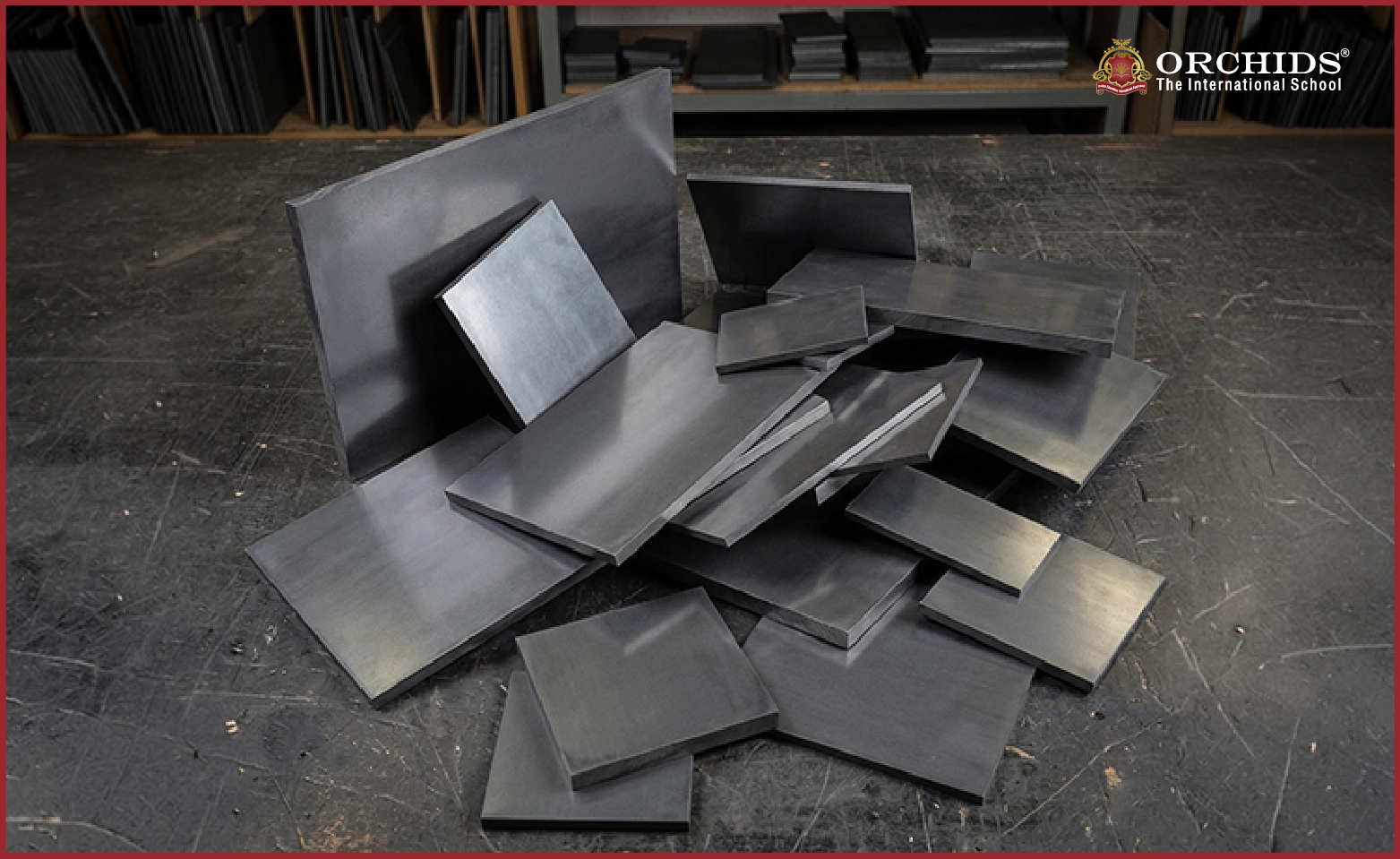
Steelmaking, glass production, and metal casting all rely heavily on graphite refractories, since the material not only tolerates high heat but also expands very little when exposed to it, ensuring stability and safety in demanding processes.
4. Role in Nuclear Reactors:Few materials can survive inside a nuclear reactor, but graphite does it effortlessly. In reactors, graphite acts as a “moderator,” slowing down fast-moving neutrons so that a controlled chain reaction can take place.
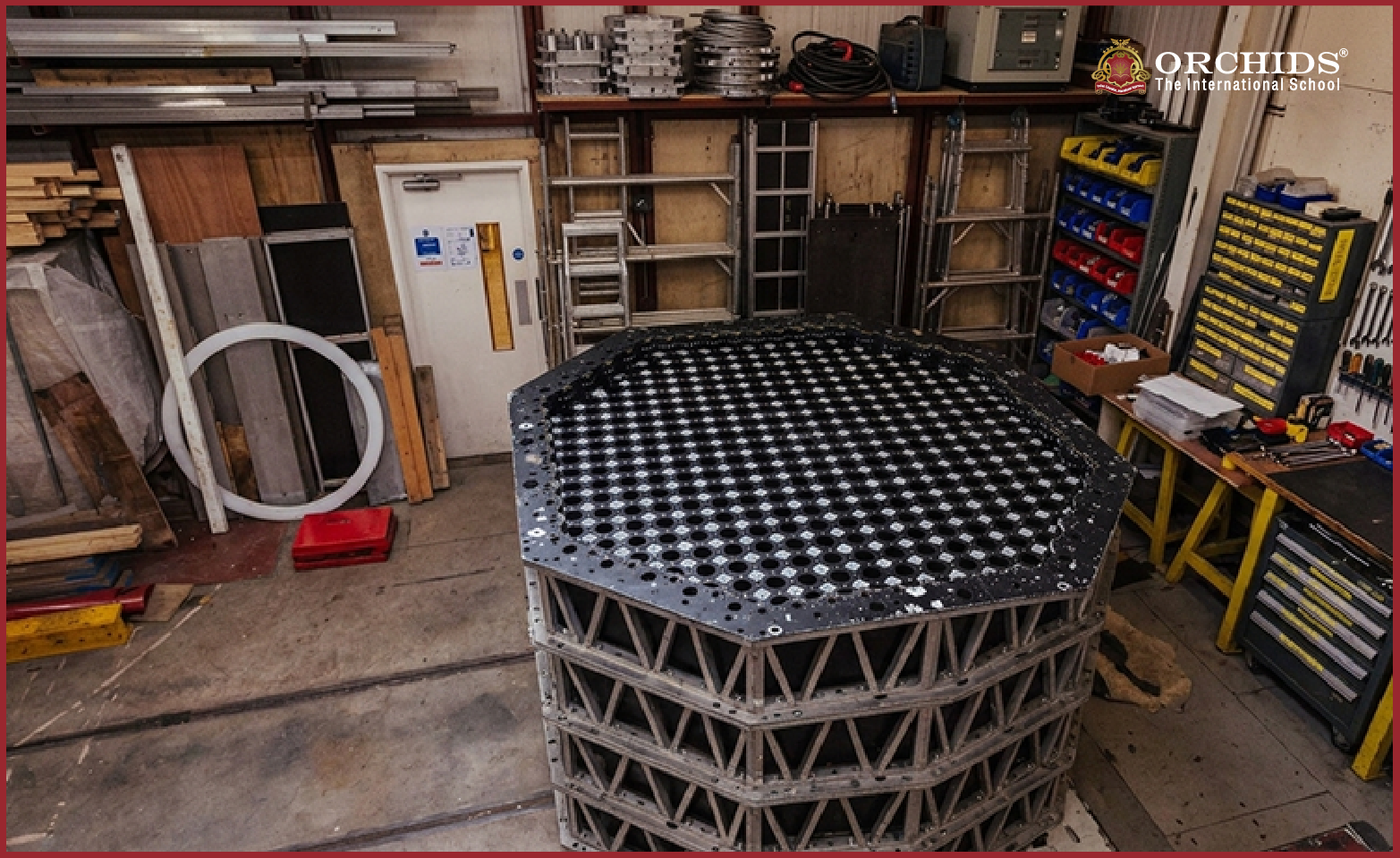
Its thermal stability, ability to absorb radiation without degrading quickly without graphite, many nuclear power plants would not be able to function efficiently.
5. In Applications in the Electrical Industry, Graphite’s ability to conduct electricity sets it apart from most other non-metals. This property has made it the backbone of the electrical and electronics industries.
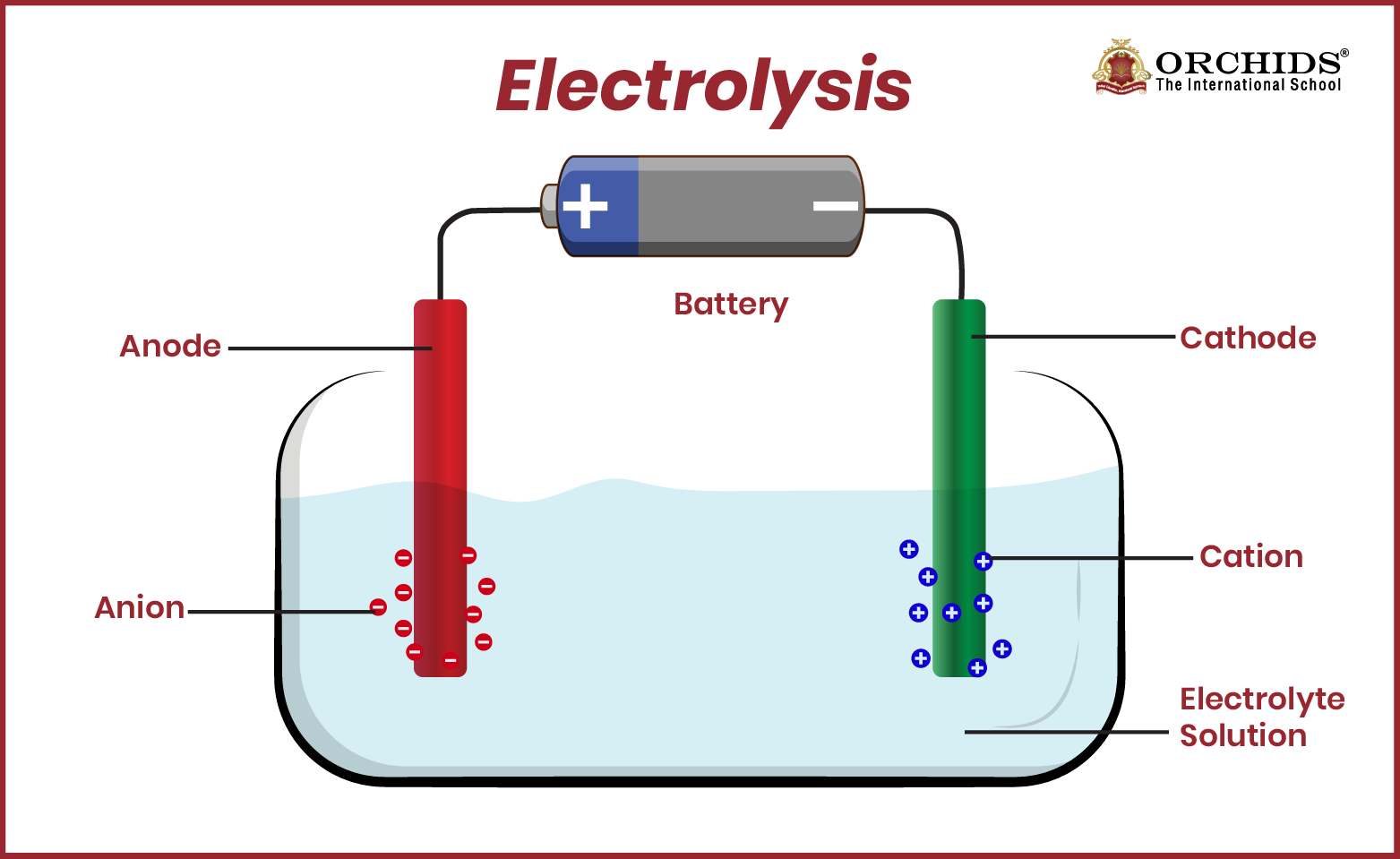
Graphite electrodes are essential in electric arc furnaces for melting scrap steel, while brushes made of graphite are used in electric motors for smooth operation. Interestingly! It also plays a major role in batteries, especially lithium-ion batteries, where graphite serves as the anode material, improving energy storage and lifespan. With the global shift toward renewable energy and electric vehicles, the demand for graphite in the electrical sector is growing faster than ever.
6. “Graphene Future Material from Graphite”When scientists peeled away a single sheet of graphite, they discovered graphene, a material so thin it is only one atom thick. Yet this ultra-thin sheet turned out to be stronger than steel, more flexible than rubber, and a better conductor of electricity than copper.

Graphene has since been hailed as a wonder material, with potential applications in flexible electronics, transparent displays, medical sensors, water purification, and high-capacity batteries.
The discovery of graphene has taken graphite’s significance to an entirely new level, linking this age-old mineral to futuristic innovations.
Also Read: Uses of Alloys
Graphite may not sparkle like a diamond, but its worth is far greater than its appearance suggests. It is a material that combines qualities few others can softness and strength, conductivity and stability, tradition and modernity.
Frequently Asked Questions on Uses of Graphite
1. What are the uses of graphite?
Graphite uses include pencils, lubricants, batteries, refractories, and even nuclear reactors. Its conductivity and heat resistance make it essential in industries.
2. What is graphite made of?
Graphite is made entirely of carbon atoms arranged in flat layers. These layers can slide over one another, giving graphite its softness and slipperiness.
3. What is the shape of graphite?
Graphite has a hexagonal structure where carbon atoms form honeycomb-like sheets. This layered shape is the reason it can conduct electricity and feel smooth.
4. What are the properties of graphite?
Graphite is soft, slippery, heat-resistant, and an excellent conductor of electricity. It also has a high melting point, making it useful in tough industrial conditions.
5. Why is graphite used in pencils?
Graphite leaves a mark on paper because its soft layers slide off easily. That’s why it has been the classic “pencil lead” for centuries.
6. Is graphite important in modern technology?
Yes, graphite is vital in batteries, electronics, and graphene research. It’s shaping the future of clean energy and next-gen devices.
Science isn't just a subject, it's the way of seeing the world. Curious how Orchids The International School teaches it that way? Talk to our admissions team.
Admissions Open for 2026-27
What type of concept pages would you prefer?
CBSE Schools In Popular Cities
- CBSE Schools in Bangalore
- CBSE Schools in Mumbai
- CBSE Schools in Pune
- CBSE Schools in Hyderabad
- CBSE Schools in Chennai
- CBSE Schools in Gurgaon
- CBSE Schools in Kolkata
- CBSE Schools in Indore
- CBSE Schools in Sonipat
- CBSE Schools in Delhi
- CBSE Schools in Rohtak
- CBSE Schools in Bhopal
- CBSE Schools in Aurangabad
- CBSE Schools in Jabalpur
- CBSE Schools in Jaipur
- CBSE Schools in Jodhpur
- CBSE Schools in Nagpur
- CBSE Schools in Ahmednagar
- CBSE School In Tumkur











Orchids The International School is one of India's leading chains of CBSE and ICSE schools, with 110+ schools across the country.