

Antioxidants Meaning
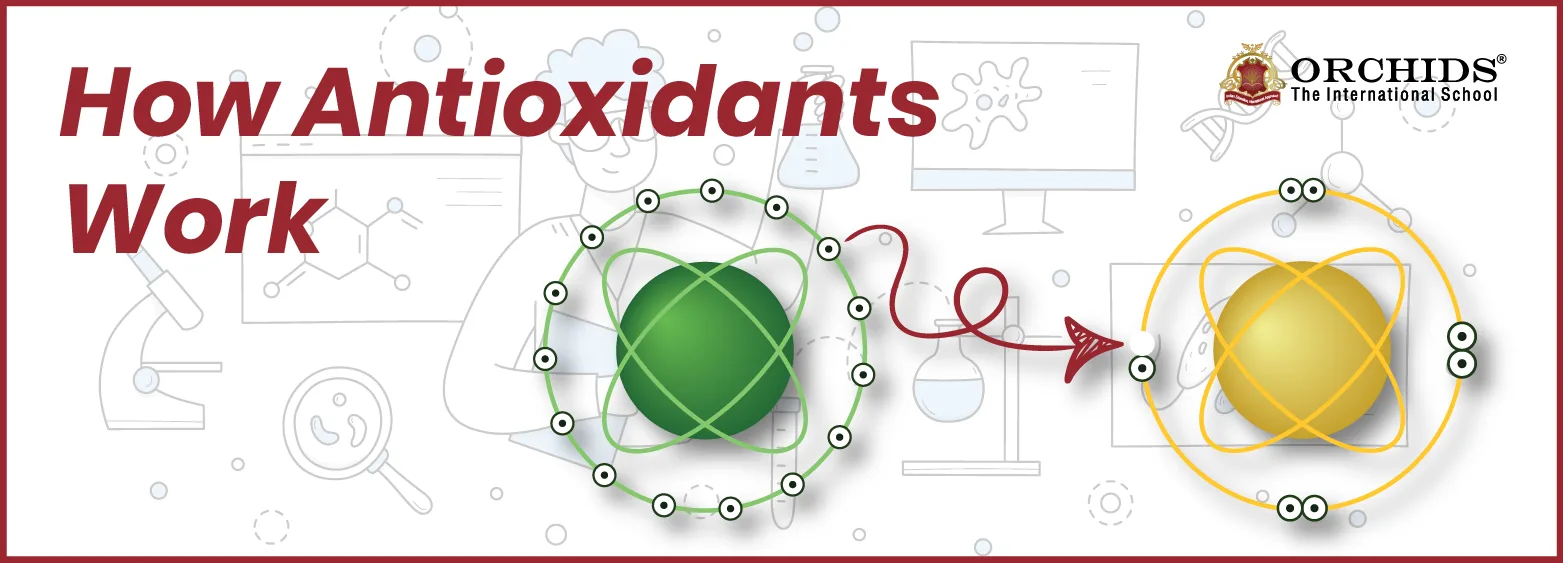
Antioxidants are vital compounds that protect our cells from the harmful effects of free radicals and unstable molecules that can lead to cell damage, ageing, and disease. Isn't it so interesting to study for!!
This article provides insights into antioxidants, breaking down the natural and synthetic types, and how they work in our bodies.
Table of Contents
- What are Antioxidants?
- Synthetic Antioxidants
- Natural Antioxidants
- Antioxidant: Mechanism of Action
- Health Hazards of Antioxidants
- Frequently Asked Questions on Antioxidants Meaning

What are Antioxidants?
Antioxidants are special types of molecules that work to protect the cells in our body by preventing free radicals from causing harmful effects.
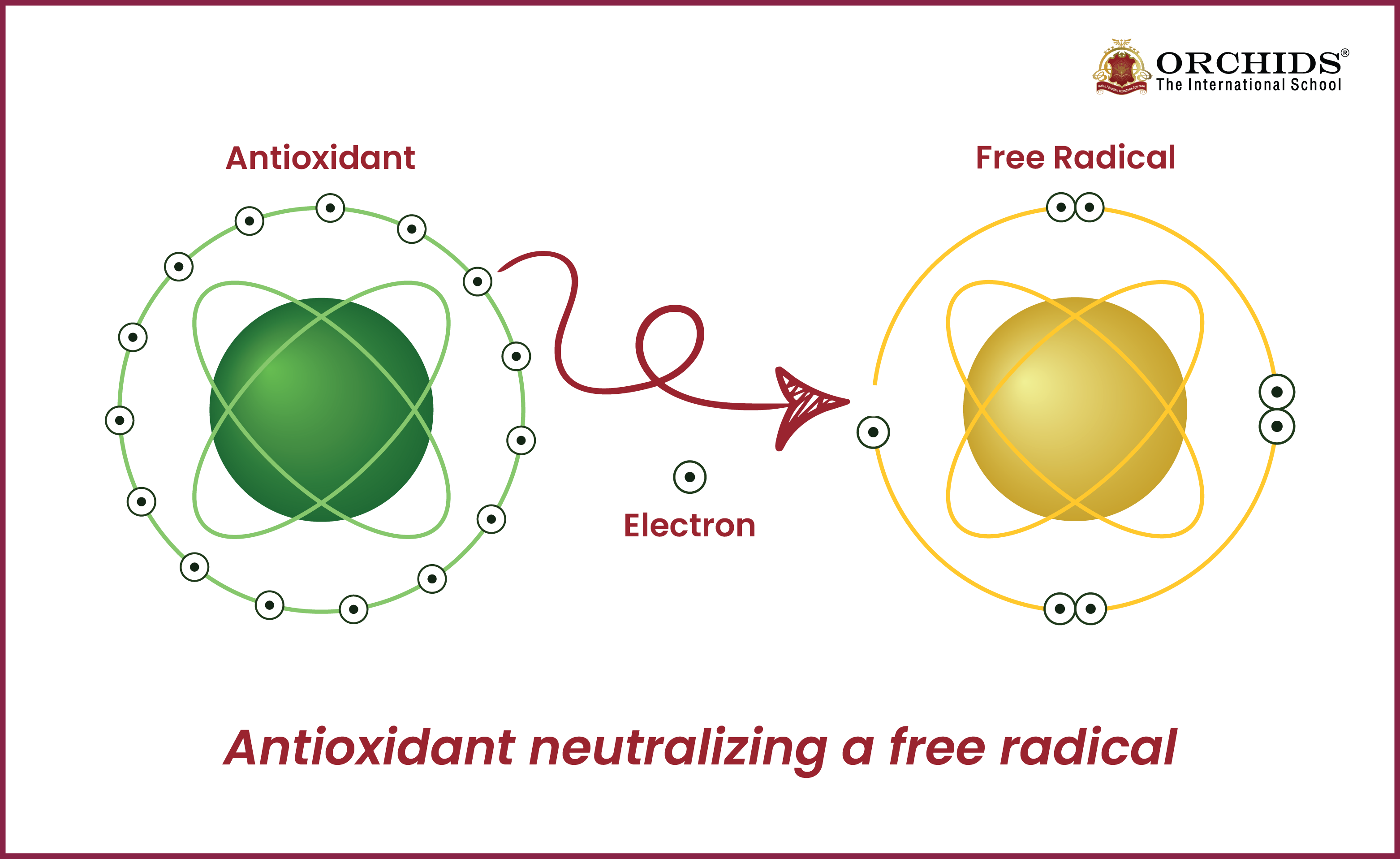
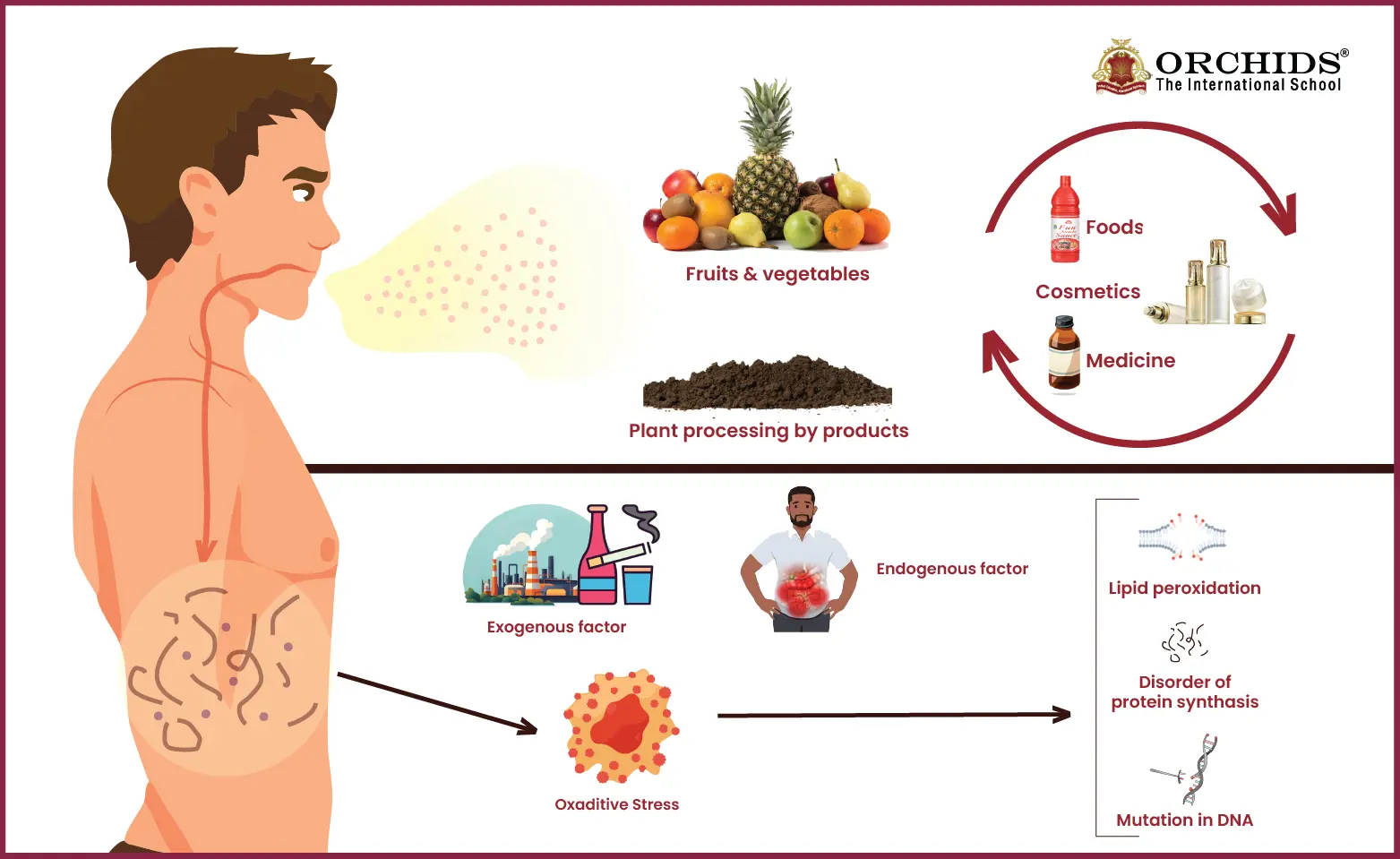
Free radicals are really just unstable compounds that can damage cells, proteins, and DNA over a set period of time and are ultimately just a normal part of ageing, and are a contributing factor in the development of diseases too! Antioxidants prevent free radicals, so we can think of them as the body's shield.
Synthetic Antioxidants
Synthetic antioxidants are man-made compounds that usually strive to eliminate or slow down oxidation of more complex compounds in food, like in cosmetics, medications or industrial products.
They are commonly added to products to prevent spoilage or as a way to prolong shelf life when products are exposed to air and heat.
➔ Examples of synthetic Antioxidants:
-
Butylated Hydroxyanisole (BHA) - usually added to processed food to slow oxidation
-
Butylated Hydroxytoluene (BHT) - can be found in many cereals, chewing gum and snacks
-
Propyl Gallate - primarily incorporated as an antioxidant in food-grade fats and oils to eliminate rancidity.
-
Tert-Butylhydroquinone (TBHQ) - incorporated into frozen foods and fast food to improve stability.
On one hand, synthetic antioxidants provide some level of effectiveness; however, the concern is due to consumption that has increased demand for naturally occurring alternatives.
Natural Antioxidants
Natural antioxidants are naturally found in a variety of fruits, vegetables, nuts, seeds, and whole grains.
-
Natural antioxidants are:
-
Vitamin C (Ascorbic Acid) - found in citrus fruits, tomatoes and green leafy vegetables.
-
Vitamin E (Tocopherol) - found in nuts, seeds and vegetable oils.
-
Beta-Carotene - found in carrots, sweet potatoes and pumpkins.
-
Polyphenols - found in green tea, berries and dark chocolate.
-
Selenium - found in whole grains, seafood and eggs as a trace element.
Beyond neutralising free radicals, antioxidants are also said to support the immune system, to promote skin tissue health, and to reduce the risk of a myriad of chronic diseases.
Antioxidant: Mechanism of Action
Antioxidants primarily prevent the chain reaction of oxidation caused by free radicals. Outlined below are the mechanisms of the antioxidant action:
-
Neutralisation of Free Radicals – Antioxidants can fix an electron into a free radical, thereby stabilising the free radical without becoming a free radical themselves.
-
Termination of free radical oxidation chains - Antioxidants can terminate fully before additional engaged cellular or tissue interaction occurs.
-
Enzymatic defences - Some antioxidant systems work as part of an enzyme system (e.g., superoxide dismutase or catalase), breaking down reactive oxygen species (ROS) to non-toxic components.
Health Hazards of Antioxidants
While antioxidants are essential for good health, excess consumption, especially from supplements or synthetic sources, can lead to adverse effects.
It includes:
-
High doses of fat-soluble antioxidants like Vitamin A or E can accumulate in the body and cause toxicity.
-
Overuse of supplements may interfere with the body’s natural oxidative balance, potentially reducing the immune response.
-
Some studies show high doses of beta-carotene supplements could increase lung cancer risk in smokers.
We learned that antioxidants are necessary to support cellular health by countering free radicals and lowering oxidative stress. The benefits of antioxidants, whether derived naturally through our food or supplied in a clinical/synthetic manner, are enormous.
With thoughtful choice and an understanding of how antioxidants operate, we can maximise our own systems of defence and promote long-term good health and strong immune function. Isnt right?
Frequently Asked Questions on Antioxidants Meaning
1. What happens if you lack antioxidants?
A lack of antioxidants can lead to cell damage over time, increasing the risk of ageing-related issues and chronic diseases. Your body becomes more vulnerable to oxidative stress.
2. Which antioxidant is powerful?
Vitamin C is often considered one of the most powerful antioxidants as it actively fights free radicals and supports the immune system effectively.
3. How much antioxidant do we need?
There’s no fixed number for everyone, but a balanced diet rich in fruits, vegetables, and whole grains usually gives your body all the antioxidants it needs daily.
4. When should antioxidants be taken?
Antioxidants are best taken with meals, especially if you're getting them from natural sources like fruits and vegetables, to enhance absorption and effectiveness.
5. Can we get enough antioxidants from food alone?
Yes, in most cases, a well-balanced diet filled with fresh produce provides all the antioxidants your body needs, no supplements required unless prescribed.
6. What are Antioxidants?
Antioxidants are natural or synthetic substances that help protect cells from damage caused by harmful molecules called free radicals.
7. Mention Antioxidants Meaning
The term antioxidants refers to compounds that inhibit oxidation, a chemical reaction that can produce free radicals and lead to cell damage. They are commonly found in fruits, vegetables, and vitamins like C and E.
Science isn't just a subject, it's the way of seeing the world. Curious how Orchids The International School teaches it that way? Talk to our admissions team.
Admissions Open for 2026-27
What type of concept pages would you prefer?
CBSE Schools In Popular Cities
- CBSE Schools in Bangalore
- CBSE Schools in Mumbai
- CBSE Schools in Pune
- CBSE Schools in Hyderabad
- CBSE Schools in Chennai
- CBSE Schools in Gurgaon
- CBSE Schools in Kolkata
- CBSE Schools in Indore
- CBSE Schools in Sonipat
- CBSE Schools in Delhi
- CBSE Schools in Rohtak
- CBSE Schools in Bhopal
- CBSE Schools in Aurangabad
- CBSE Schools in Jabalpur
- CBSE Schools in Jaipur
- CBSE Schools in Jodhpur
- CBSE Schools in Nagpur
- CBSE Schools in Ahmednagar
- CBSE School In Tumkur











Orchids The International School is one of India's leading chains of CBSE and ICSE schools, with 110+ schools across the country.