

Class 7:Why do Cut Fruits Turn Brown? The Science Behind Browning of Fruits Explained
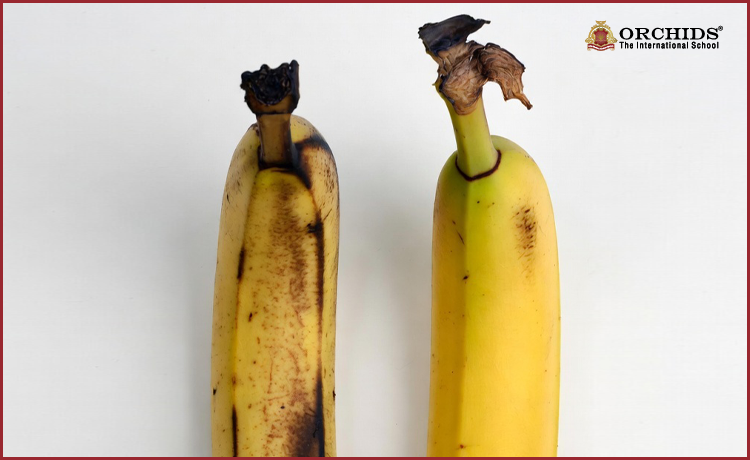
Have you ever cut an apple or a banana and left it on the plate only to come back and find it had turned an unappetising brown? It feels like the fruit went bad in minutes! But what's actually happening here isn't magic or spoilage, it's pure chemistry.
The browning of fruits and vegetables is a fascinating chemical change that happens right in your kitchen, every single day.
In this article, we'll explore exactly why this happens, which fruits and vegetables are affected, how it compares to rusting, and most importantly, how you can stop it from happening.
Table of Contents
- Browning of Fruits
- Prevention of Browning of Fruits
- Frequently Asked Questions on Browning of Fruits and Vegetables

Browning of Fruits
What happens when slices of potatoes are left exposed to air? The slices will turn brown after some time.
Browning of potatoes is a chemical change because it is a permanent change. We cannot get fresh potatoes back.
The chemical reaction involved:
It happens due to the reaction of a substance present in the potatoes with oxygen in the air. This reaction results in the formation of a brown substance. It is quite similar to rusting. Other fruits and vegetables, such as bananas, brinjal, pears, peach, and apples, also become brown when their cut slices are exposed to air.
Prevention of Browning of Fruits
Browning of sliced fruits and vegetables can be inhibited by preventing their direct contact with oxygen (air). It can be done by:
- Rubbing a lemon on the cut surfaces of fruits and vegetables.
- Place the cut fruits and vegetables in water. (However, this should be avoided; vitamins are lost)
The browning of fruits and vegetables is a perfect everyday example of a chemical change happening right before our eyes. A simple slice of apple or potato, left in the open air, quietly undergoes a chemical reaction with oxygen, forming a new substance and changing permanently, much like rust forms on iron. Understanding this process not only helps us appreciate the science hidden in our kitchens but also empowers us to make smarter choices, like reaching for a lemon to keep our fruit salad fresh and vibrant. Science truly is everywhere, even on your plate!
Frequently Asked Questions on Browning of Fruits and Vegetables
1. Is the browning of fruits a physical change or a chemical change?
Browning of fruits is a chemical change. It is permanent; once the fruit turns brown, it cannot go back to its original fresh state. A new brown substance is formed during the process, which confirms it is a chemical change.
2. Why does lemon juice prevent the browning of fruits?
Lemon juice contains Vitamin C (ascorbic acid), which is an antioxidant. It reacts with oxygen faster than the compounds in the fruit do, essentially blocking the browning reaction and keeping the fruit's cut surface looking fresh for longer.
3. Which fruits and vegetables are commonly affected by browning?
Fruits and vegetables such as potatoes, bananas, brinjal (eggplant), pears, peaches, and apples are commonly affected by browning when their cut surfaces are exposed to air.
4. How is the browning of fruits similar to rusting?
Both browning and rusting involve a substance reacting with oxygen in the air to form a new substance. In rusting, iron reacts with oxygen to form rust. In browning, compounds in fruits and vegetables react with oxygen to form a brown substance. Both are permanent chemical changes.
5. Why should we avoid keeping cut fruits in water for too long?
While placing cut fruits in water does prevent browning by limiting oxygen contact, it also causes water-soluble vitamins (like Vitamin C and B vitamins) to leach out into the water. This reduces the nutritional value of the fruit, which is why this method should be used carefully.
Science isn't just a subject, it's the way of seeing the world. Curious how Orchids The International School teaches it that way? Talk to our admissions team.
Admissions Open for 2026-27
What type of concept pages would you prefer?
CBSE Schools In Popular Cities
- CBSE Schools in Bangalore
- CBSE Schools in Mumbai
- CBSE Schools in Pune
- CBSE Schools in Hyderabad
- CBSE Schools in Chennai
- CBSE Schools in Gurgaon
- CBSE Schools in Kolkata
- CBSE Schools in Indore
- CBSE Schools in Sonipat
- CBSE Schools in Delhi
- CBSE Schools in Rohtak
- CBSE Schools in Bhopal
- CBSE Schools in Aurangabad
- CBSE Schools in Jabalpur
- CBSE Schools in Jaipur
- CBSE Schools in Jodhpur
- CBSE Schools in Nagpur
- CBSE Schools in Ahmednagar
- CBSE School In Tumkur











Orchids The International School is one of India's leading chains of CBSE and ICSE schools, with 110+ schools across the country.