

Biochemistry
Biochemistry is the branch of science that opens the secrets of life at a molecular level. It explains how every breath, heartbeat, and cell activity happens through chemical reactions. Isn't it interesting?
This article is about what biochemistry is, its branches and how it connects chemistry and biology to solve real-world challenges.
H2- Table of Contents
- What is Biochemistry
- Importance of Biochemistry
- Branches of Biochemistry
- Real-World Applications of Biochemistry
- Careers and Opportunities in Biochemistry
- Frequently Asked Questions on Biochemistry

What is Biochemistry?
Biochemistry is the branch of science that studies chemical reactions and processes in living organisms. It combines biology and chemistry to understand life at its most fundamental level; that's what the name “Biochemistry” suggests!
When we talk about biochemistry, it was introduced by Carl Neuberg in 1930.
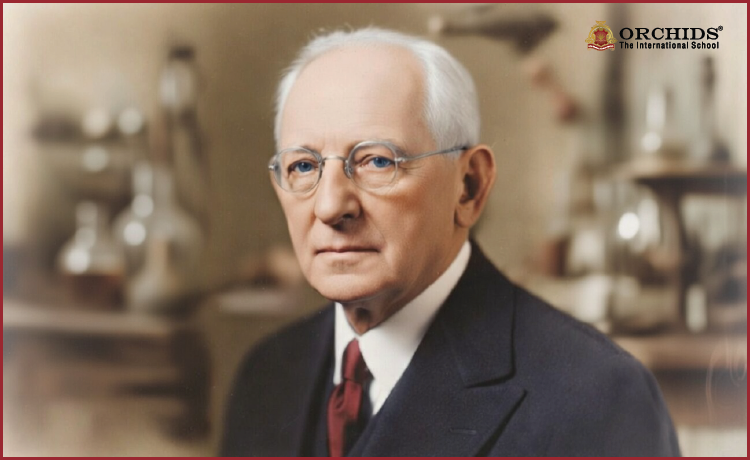
Biochemistry examines how molecules like proteins, lipids, carbohydrates, and nucleic acids work together to keep organisms alive. From metabolism to heredity, it provides the blueprint for understanding health, disease, and evolution.
Let's understand what Life without biochemistry looks like!
Importance of Biochemistry
Biochemistry is critical for understanding life and improving human health, as well as things around us. Some of them are:
- It explains how the body converts food into energy, how enzymes speed up reactions, and how molecules form the tissues and organs we depend on.
- In medicine, biochemistry reveals how diseases develop and guides the creation of drugs, vaccines, and diagnostic tests.
- In agriculture, it helps create pest-resistant crops and sustainable farming practices.
- Biochemistry even drives innovation in renewable energy, food technology, and environmental protection.
But have you questioned what biochemists do?
The answer is biochemists investigate how cells use energy, replicate DNA, and carry out complex functions like growth and repair. By studying these molecular details, they uncover the principles that power everything from digestion to muscle movement.
Next, let's understand the biochemistry branches:
Branches of Biochemistry
-
Molecular Biology
Often called the roots of biochemistry, molecular biology studies the interactions between DNA, RNA, and proteins. It explains how genetic information is stored, expressed, and regulated in living organisms.
-
Cell Biology (Cytology)
Cell biology focuses on the structure and function of cells, the building blocks of life. It explores how eukaryotic cells communicate, divide, and respond to their environment, which is essential for understanding health and disease.
-
Metabolism
Metabolism covers the chemical reactions that convert food into energy. It’s what allows your body to digest a meal, store nutrients, and fuel every action, from thinking to running.
-
Genetics
Genetics looks at genes, their variations, and inheritance patterns. It helps explain hereditary traits, genetic disorders, and even how species evolve.
Apart from that, there are other important areas, including biotechnology, neurochemistry, endocrinology, photosynthesis research, and environmental biochemistry, expanding the field’s influence.
Real-World Applications of Biochemistry
- Used in diagnosing illnesses, developing vaccines, and creating advanced therapies, biochemistry serves a key role in the Healthcare sector.
- On the agricultural side, it improves crop quality, boosts yields, and reduces environmental impact.
- In Industry, it powers biotechnology, pharmaceuticals, food processing, and biofuels.
- When we consider the environmental factor, it helps to track pollutants, understand climate effects, and design eco-friendly materials.
Till now, we have learned that Biochemistry is more than a subject; it is the science that explains life’s most vital processes. From decoding DNA to creating life-saving medicines, it bridges chemistry and biology to transform our world. Biochemistry is just an important part of science and technology.
Frequently Asked Questions on Biochemistry
1. What is biochemistry?
Biochemistry is the science that studies the chemical processes and reactions happening inside living organisms. It helps us understand how life works at a molecular level.
2. What is biochemistry definition?
Biochemistry is defined as the branch of science that combines biology and chemistry to explore the chemical structure and functions of living things.
3. What are carbohydrates in biochemistry?
Carbohydrates are organic molecules made of carbon, hydrogen, and oxygen that provide energy and structural support in living organisms.
4. What is protein in biochemistry?
In biochemistry, a protein is a chain of amino acids folded into a specific shape to carry out essential functions in cells and tissues.
5. What are the basic questions of biochemistry?
Basic questions of biochemistry include how cells use energy, how molecules like DNA and proteins interact, and how chemical reactions sustain life.
6. What is the main importance of biochemistry?
Biochemistry is important because it explains life’s processes, advances medicine, improves agriculture, and drives innovations in health and technology.
7. Who is the father of biochemistry?
Carl Neuberg, a German scientist, is widely regarded as the father of biochemistry for his pioneering work in the field.
8. What is the main objective of biochemistry?
The main objective of biochemistry is to understand the chemical processes within living organisms to improve health, science, and technology.
Science isn't just a subject, it's the way of seeing the world. Curious how Orchids The International School teaches it that way? Talk to our admissions team.
Admissions Open for 2026-27
What type of concept pages would you prefer?
CBSE Schools In Popular Cities
- CBSE Schools in Bangalore
- CBSE Schools in Mumbai
- CBSE Schools in Pune
- CBSE Schools in Hyderabad
- CBSE Schools in Chennai
- CBSE Schools in Gurgaon
- CBSE Schools in Kolkata
- CBSE Schools in Indore
- CBSE Schools in Sonipat
- CBSE Schools in Delhi
- CBSE Schools in Rohtak
- CBSE Schools in Bhopal
- CBSE Schools in Aurangabad
- CBSE Schools in Jabalpur
- CBSE Schools in Jaipur
- CBSE Schools in Jodhpur
- CBSE Schools in Nagpur
- CBSE Schools in Ahmednagar
- CBSE School In Tumkur











Orchids The International School is one of India's leading chains of CBSE and ICSE schools, with 110+ schools across the country.