

Biodegradable and Non-biodegradable
Every day, we throw away waste like food scraps, paper, plastic, and bottles without thinking about what happens next. Some of this waste breaks down naturally, while some remains in the environment for years and causes pollution. Based on this behaviour, waste materials are classified into biodegradable and non-biodegradable waste.
This article is to help students clearly understand the meaning of biodegradable and non-biodegradable materials, their examples, differences, and their impact on the environment.
Table of Contents
- What Are Biodegradable and Non-Biodegradable Materials
- The Difference Between Biodegradable Waste and Non-Biodegradable Waste
- Effect of Waste Materials on the Environment
What Are Biodegradable and Non-Biodegradable Materials?
Waste materials are classified based on whether they can be broken down naturally or not, which helps to identify which wastes are harmful and how they should be managed properly.
A biodegradable material is a substance that can decompose naturally with the help of microorganisms such as bacteria and fungi, without harming the environment.
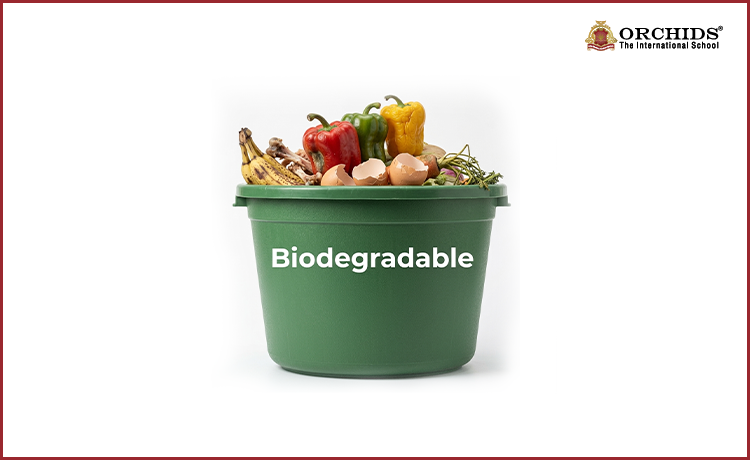
Interestingly, these materials usually come from plant or animal sources. Natural factors like air, water, sunlight, temperature, and microbes work together to break them down into simple substances that mix with the soil.
Because this process is natural, biodegradable waste causes very little pollution and is considered environmentally friendly.
Some common examples of biodegradable materials are:
- Paper
- Food waste
- Kitchen waste
- Human waste
- Manure
- Sewage sludge
- Dead plants and animals
- Slaughterhouse waste
- Certain hospital waste
Biodegradable waste mainly comes from plant and animal sources and can easily decompose naturally.
Examples of biodegradable waste found in daily life include green waste, food leftovers, paper waste, and biodegradable plastics. Such waste can be converted into compost, manure, or biogas, making it useful instead of harmful.
A non-biodegradable material is a substance that microorganisms or natural processes cannot break down.
These materials remain in the environment for a very long time and often lead to serious pollution. Most non-biodegradable wastes are man-made and produced through industrial processes.
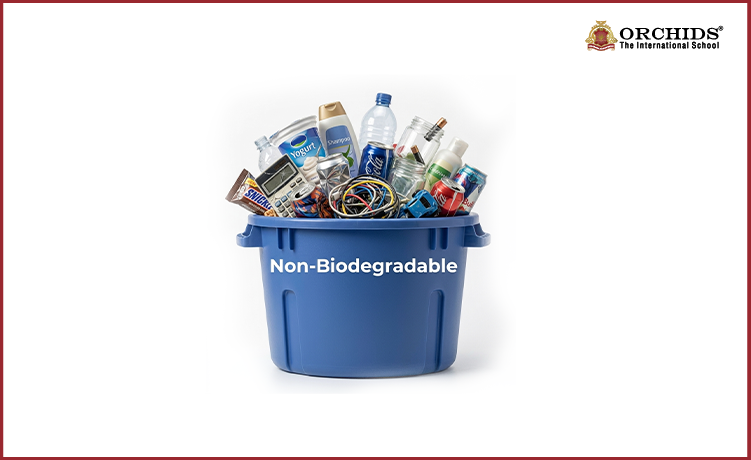
Because they do not decompose easily, they pose a greater threat to the environment and living organisms.
Some common examples of non-biodegradable materials are:
- Plastic
- Glass
- Metals
- Pesticides
- Fibres
- E-waste
- Hazardous chemicals
- Artificial rubber
- Synthetic polymers
On the other hand, Non-biodegradable waste does not decompose naturally and stays in the ecosystem for years.
Examples include plastic bottles, aluminium cans, tyres, paints, electronic waste, polystyrene, and toxic chemicals. These materials accumulate in landfills and oceans, harming animals, plants, and humans.
Now, let's summarise their differences to understand them in a better way
The Difference Between Biodegradable Waste and Non-Biodegradable Waste
|
Basis |
Biodegradable Waste |
Non-Biodegradable Waste |
|
Decomposition |
Decomposes naturally |
Does not decompose naturally |
|
Role of microbes |
Broken down by microorganisms |
Cannot be broken down by microbes |
|
Source |
Comes from plants and animals |
Mostly man-made |
|
Time taken |
Decomposes quickly |
Remains for a very long time |
|
Environmental impact |
Causes little pollution |
Causes serious pollution |
|
Reusability |
Can be used to make compost or biogas |
Needs recycling or safe disposal |
|
Examples |
Food waste, paper, and manure |
Plastic, glass, metals |
Effects of waste materials on the environment
Waste materials have serious negative effects on the environment:
- They pollute land, water, and air, making them unsafe for living.
- Animals often mistake plastic waste for food, leading to injury or death.
- Large amounts of waste end up in landfills and oceans, disturbing ecosystems.
- Air pollution from waste burning causes breathing problems and lung diseases.
- Toxic waste contaminates soil and water, affecting agriculture and health.
These effects clearly show why waste management is essential.
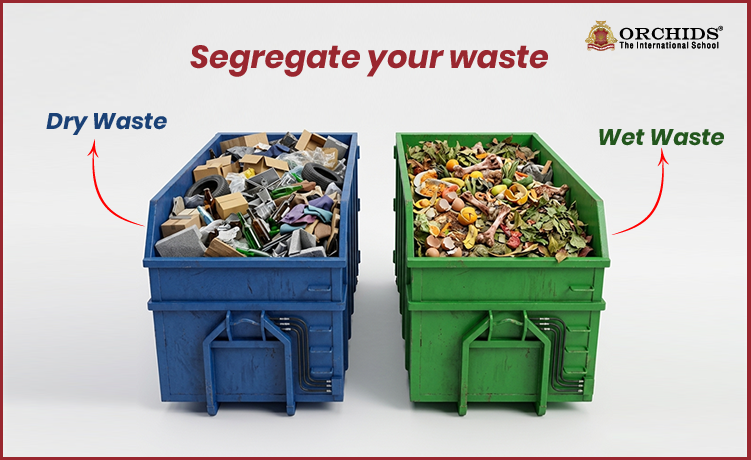
So, one must follow Reduce, Reuse and Recycle (3R Principle)
The 3R principle is the most effective way to manage waste and protect the environment.
-
Reduce
Reducing means using fewer harmful materials, especially plastics. For example, using cloth or jute bags instead of plastic bags.
-
Reuse
Reuse means using items again instead of throwing them away. For example, using cleaned containers or buckets for storage.
-
Recycle
Recycling means processing waste materials to make new products. Paper, glass, metals, and aluminium cans can be recycled and used again.
Following the 3R principle helps reduce pollution and conserve natural resources.
Biodegradable and non-biodegradable waste play a major role in environmental health. Biodegradable waste breaks down naturally and is less harmful, while non-biodegradable waste remains in the environment and causes pollution.
Frequently Asked Questions on Biodegradable and Non-Biodegradable
1. How do biodegradable and non-biodegradable materials affect the environment?
Biodegradable and non-biodegradable materials have different impacts on the environment, as biodegradable waste breaks down naturally, while non-biodegradable waste causes long-term pollution.
2. What is the difference between biodegradable waste and non-biodegradable waste?
The difference between biodegradable waste and non-biodegradable waste is that biodegradable waste decomposes naturally, while non-biodegradable waste does not break down easily.
3. How can we identify biodegradable waste in daily life?
To identify biodegradable waste, check if it comes from plants or animals and can rot naturally.
4. Why should biodegradable and non-biodegradable waste be separated?
Separating biodegradable and non-biodegradable waste helps reduce pollution and facilitates easier recycling. This practice is based on knowing what biodegradable waste and non-biodegradable waste are clearly.
5. Can we recycle non-biodegradable waste safely?
Yes, many non-biodegradable wastes like plastic, glass, and metals can be recycled properly. Recycling reduces the harm caused by biodegradable and non-biodegradable waste on the environment.
CBSE Schools In Popular Cities
- CBSE Schools in Bangalore
- CBSE Schools in Mumbai
- CBSE Schools in Pune
- CBSE Schools in Hyderabad
- CBSE Schools in Chennai
- CBSE Schools in Gurgaon
- CBSE Schools in Kolkata
- CBSE Schools in Indore
- CBSE Schools in Sonipat
- CBSE Schools in Delhi
- CBSE Schools in Rohtak
- CBSE Schools in Bhopal
- CBSE Schools in Aurangabad
- CBSE Schools in Jabalpur
- CBSE Schools in Jaipur
- CBSE Schools in Jodhpur
- CBSE Schools in Nagpur
- CBSE Schools in Ahmednagar
- CBSE School In Tumkur












Orchids The International School is one of India's leading chains of CBSE and ICSE schools, with 110+ schools across the country.