

Acid Test
Acid Test!! Have you ever seen a rock bubble up when acid is placed on it? acid test might sound like something straight out of a chemistry lab, and that’s because it is. In science, an acid test is a quick, decisive experiment used to confirm whether a substance is what it claims to be, especially metals like gold. Just a drop of acid can reveal the truth, making it a powerful and almost instant method of verification.
This article provides insights about what the acid test means, how you carry out the acid test, the tools you will need, and some real-life applications to clarify the concept in a clear, practical way for students and other curious minds.
Table of Contents
- Understanding the Acid Test?
- Common Uses of Acid Tests in Everyday Science
- Acid Test: Materials Required
- Step-by-Step Guide for Acid Test
- What Do Acid Test Results Mean?
- Quick Tricks to Understand the Acid Test Easily
- Frequently Asked Questions (FAQs)

Understanding the Acid Test?
An acid test is an easy chemical method to test for carbonate minerals present in rocks or to determine if materials like gold are real. An acid test checks for the reaction that occurs when an acid comes into contact with the sample. An acid test consists of taking vinegar or dilute hydrochloric acid and dropping it onto the potential carbonate ore, such as limestone.
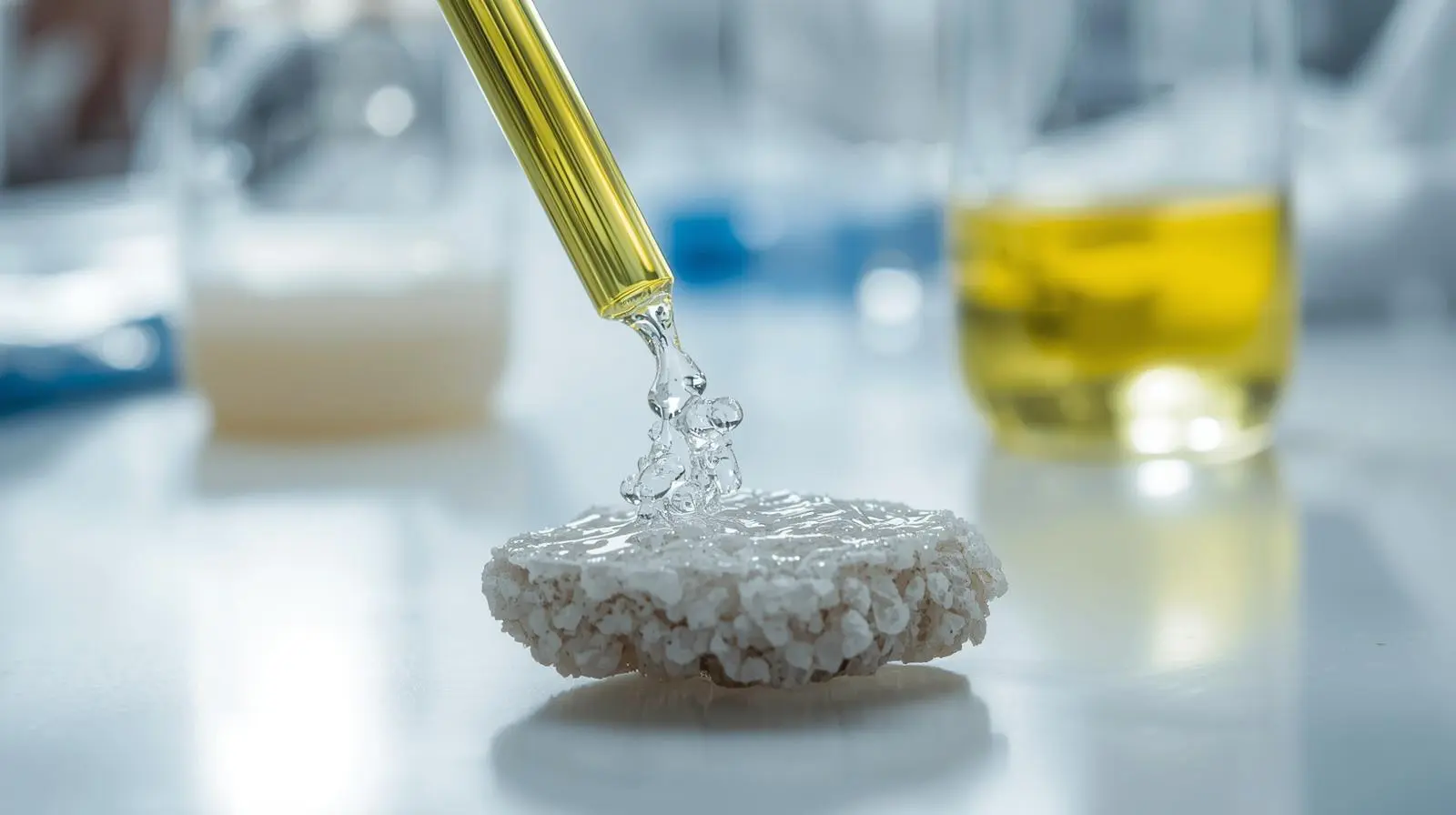
The acid will fizz and bubble, and if carbonate minerals are present, those minerals will react and release carbon dioxide. Acid tests have many applications, including geology and jewellery testing.
Common Uses of Acid Tests in Everyday Science
-
In Geology, Acid tests can help identify carbonate-based materials, including calcite and limestone. When acid is placed onto the mineral, the acid will fizz and release gas, indicating that you have found a carbonate.
-
In Gold Testing: A gold-colored object is rubbed on a black stone. If nitric acid is applied to the mark and it disappears, the item is not real gold. True gold won’t dissolve in nitric acid but will dissolve in aqua regia (a mix of nitric and hydrochloric acid).
Acid Test: Materials Required
To perform the test at home or in a lab, you’ll need the following:
-
A set of mineral samples, like calcite, pyrite, quartz, talc, etc.
-
White vinegar (or a 5–10% dilute hydrochloric acid)
-
Eyedropper
-
Paper towel
-
Steel nail
-
Magnifying glass
-
Non-reactive metal cup
-
Pencil and paper to record results
Step-by-Step Guide for Acid Test
-
Prepare a test sheet: Take a piece of paper and draw three columns titled "Sample", "Fizz", and "Powder".
-
Label your samples: Under "Sample," write down each mineral name (calcite, talc, pyrite, etc.).
-
Add acid: Using an eye dropper, drop one drop of vinegar on the mineral sample. Observe closely.
-
Look for fizzing: If bubbles (fizz) appear, put "yes" in the "Fizz" column; if not, put "no".
-
Scratch the surface (if necessary): If nothing happens, then scratch the mineral with a steel nail.
-
Add acid to the powder: Drop vinegar on the scratched powder area of the mineral sample.
-
Observe again: Use the magnifying glass on the powder area of the mineral sample to see if there are fizz bubbles. Record it in the "Powder" column.
-
Repeat for all samples: Follow the same procedures with the rest of the mineral samples.
What Do Acid Test Results Mean?
-
Fizz Without Scratching: Shows the presence of easily reactive carbonate minerals.
-
Fizz Only After Scratching: Indicates the carbonate is present but more tightly bonded.
-
No Reaction: Suggests the mineral does not contain carbonates.
Example Reaction: When calcite reacts with vinegar (acetic acid), it follows this reaction:
This releases carbon dioxide gas (CO2), which causes the fizz.
Quick Tricks to Understand the Acid Test Easily
-
Link fizzing with carbonates relates fizz = carbonate presence
-
Use everyday vinegar for safe testing
-
Remember: no bubbles = no carbonate
-
Practice by testing known samples like chalk (contains calcium carbonate)
-
Know that some minerals need to be scratched first for a proper reaction
The acid test is a quick and simple assessment when detecting carbonate minerals or confirming precious metals. It can help identify minerals and is also useful in geology and archaeology, as well as metallurgy. Understanding how to do and interpret the test adds to observational and practical history skills, particularly for students who want to learn chemistry through demonstrations and hands-on activities.
Frequently Asked Questions (FAQs)
1. How can an acid test help determine a mineral?
Answer: It reveals the presence of carbonate minerals by causing bubbles when acid is applied. If it fizzes, the mineral likely contains carbonates.
2. Which mineral is most easily identified by the acid test?
Answer: Calcite is the easiest to detect-it reacts quickly with even weak acids like vinegar, producing clear fizz.
3. What is the correct method for the acid test?
Answer: Place a drop of acid on the mineral’s surface and observe any reaction. If there's no fizz, scratch it and test again on the powder.
4. Which type of acid is commonly used to identify minerals?
Answer: Dilute hydrochloric acid or household vinegar (acetic acid) is commonly used for safe and effective testing.
5. What minerals react to acid?
Answer: Minerals like calcite, dolomite, and limestone typically react with acid and show visible fizzing.
6. How do you test free mineral acidity?
Answer: Apply a small acid drop to the mineral. If it bubbles, it indicates the release of gas due to an acidic reaction, confirming its composition.
Science isn't just a subject, it's the way of seeing the world. Curious how Orchids The International School teaches it that way? Talk to our admissions team.
Admissions Open for 2026-27
What type of concept pages would you prefer?
CBSE Schools In Popular Cities
- CBSE Schools in Bangalore
- CBSE Schools in Mumbai
- CBSE Schools in Pune
- CBSE Schools in Hyderabad
- CBSE Schools in Chennai
- CBSE Schools in Gurgaon
- CBSE Schools in Kolkata
- CBSE Schools in Indore
- CBSE Schools in Sonipat
- CBSE Schools in Delhi
- CBSE Schools in Rohtak
- CBSE Schools in Bhopal
- CBSE Schools in Aurangabad
- CBSE Schools in Jabalpur
- CBSE Schools in Jaipur
- CBSE Schools in Jodhpur
- CBSE Schools in Nagpur
- CBSE Schools in Ahmednagar
- CBSE School In Tumkur











Orchids The International School is one of India's leading chains of CBSE and ICSE schools, with 110+ schools across the country.